US Seizes Iranian Ship, Sparking Tensions and Oil Price Hikes
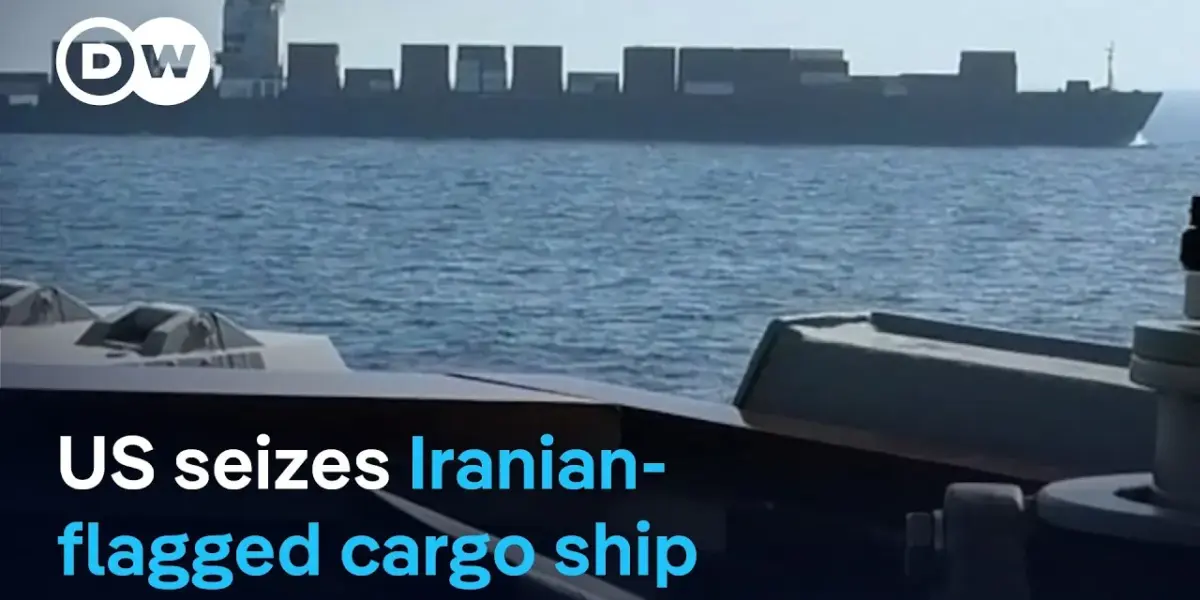
The US has seized an Iranian cargo ship, the Tauska, in the Gulf of Oman, escalating tensions and causing oil prices to surge. Iran has condemned the act as piracy and a violation of a ceasefire. Analysts suggest the seizure might push both sides toward diplomacy, though concerns remain about the potential for a superficial agreement.

US Seizes Iranian Ship, Sparking Tensions and Oil Price Hikes
The United States has seized an Iranian cargo ship, the Tauska, in the Gulf of Oman. US Marines boarded the vessel after it reportedly attempted to pass a US blockade on Iranian ports.
President Trump announced the seizure on social media, stating the ship and its contents are now in US custody. This action escalates long-standing tensions between the two nations, impacting global trade and causing oil prices to surge.
Iran Cries Piracy, Claims Ceasefire Violation
Iran has condemned the seizure, labeling it maritime piracy and a violation of a two-week ceasefire agreement that began on April 7. Tehran has promised consequences for the US action.
An analyst suggests that while the seizure halts ship traffic, it may actually speed up diplomatic efforts. The US appears to be signaling that if Iran holds the global economy hostage, the US can do the same.
Diplomatic Dance: Hope for Talks Amidst Threats
Despite Iran’s strong words and refusal to participate in proposed peace talks in Islamabad, Pakistan, analysts believe a diplomatic solution is still possible. Middle East analyst Laura Blumenfeld of John Hopkins University explained that both sides, despite their commitments to retaliation, ultimately desire a negotiated agreement. She recalled conversations with Iranian officials who emphasized shared economic concerns, suggesting a common ground for de-escalating the global economic pressure.
Negotiation Tactics: Respect and Relief
Iran has cited the naval blockade and what it calls unrealistic US demands as reasons for not attending talks. However, Blumenfeld believes they will eventually show up, pointing to a similar pattern in past negotiations.
She highlighted two key Iranian demands: respect for their right to enrich uranium and relief from international sanctions. Sanctions relief is crucial for the Iranian regime to maintain its grip on power and provide for its people.
The Risk of a Quick Fix
There are concerns that both the US and Iran might seek a quick resolution to the current crisis. This could lead to a less detailed agreement, potentially creating future problems and misunderstandings.
European allies have also voiced worries that the US negotiating team might be pushing for a swift, superficial deal. Blumenfeld compared the delicate balance needed in negotiations to haggling over commas, where too much specificity can break talks, but too little can lead to trouble down the line.
Economic Pressure and Regional Realignment
The conventional view is that the US, with its robust economy, can weather prolonged economic pressure better than Iran. However, political clocks are ticking in the US, with midterm elections approaching.
The region itself is also seeking alternatives, with Gulf countries strengthening their diplomatic and military ties for greater self-reliance. There’s even a fascinating possibility of overland oil routes being developed through countries like Turkey, Jordan, Syria, and potentially even Israel and Lebanon, which could indirectly lead to peace deals.
Looking Ahead
The US seizure of the Tauska cargo ship has undeniably heightened tensions between Washington and Tehran. While Iran vows retaliation, diplomatic channels may still be active.
The outcome of potential peace talks and the ongoing economic pressures will be critical in shaping the future stability of the region and the global oil market. Ambassadors from the involved nations are set to meet again this week, offering a glimmer of hope for a positive direction.
Source: US seizure of Iranian cargo ship fuels tensions, oil price surge (YouTube)

Related Articles
Markets Shrug Off Iran Tensions, Focus on Earnings
U.S. stock markets are showing remarkable resilience despite escalating tensions with Iran, driven by strong corporate earnings and stable oil prices. The Nasdaq's extended winning streak highlights investor confidence in domestic economic factors over geopolitical risks.
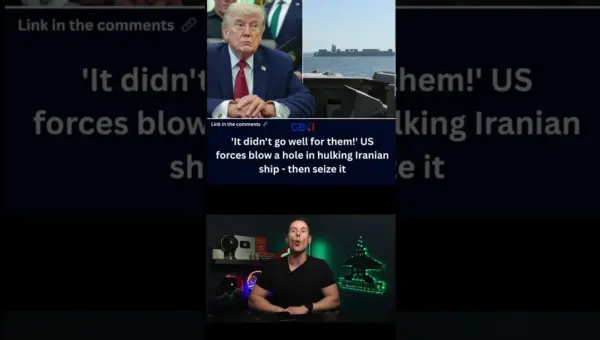
US Navy Blasts Iranian Ship Near Hormuz
U.S. naval forces seized the Iranian cargo ship Motor Vessel Touska near the Strait of Hormuz after a six-hour standoff. The USS Spruance disabled the ship with gunfire, and Marines from the 31st MEU took custody. This action escalates regional maritime tensions as a ceasefire deadline nears.

Trump Won’t Rush Iran Deal, May End Ceasefire
President Trump stated he is in no rush to finalize a deal with Iran and is unlikely to extend the current ceasefire. Experts suggest this signals desperation, while conflicting messages from the administration add to the uncertainty surrounding the ongoing negotiations.