Dr. Pimple Popper’s Stroke: Ignoring Warning Signs
Dr. Pimple Popper experienced a stroke, initially dismissing warning signs due to stress and fatigue. Her story highlights the critical importance of recognizing stroke symptoms like face drooping, arm weakness, and speech difficulty, urging immediate medical attention.

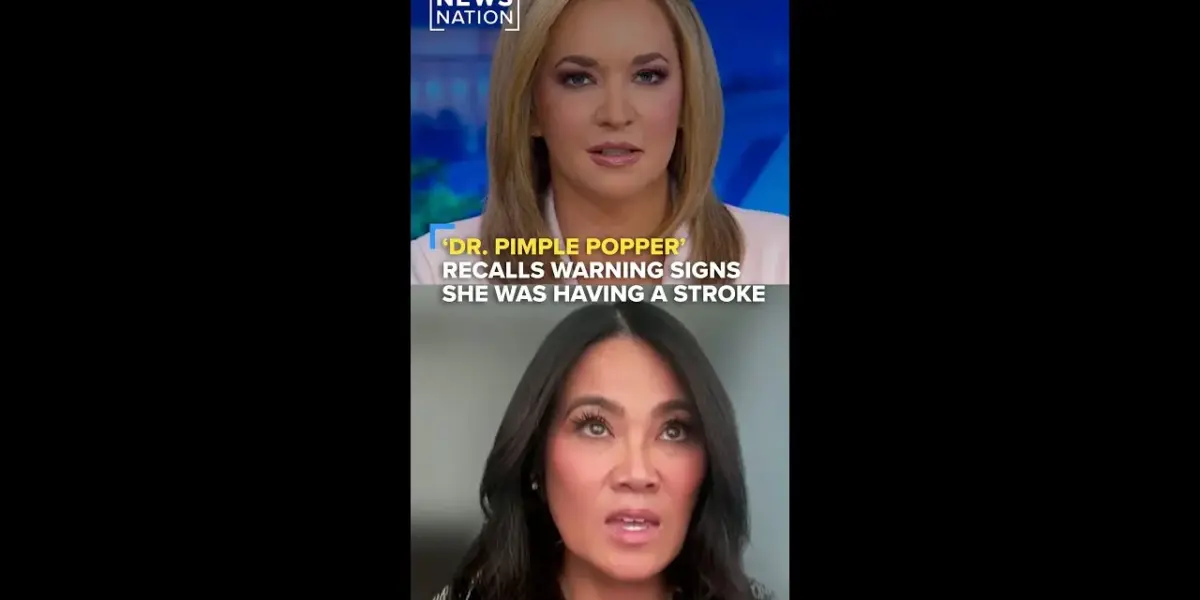
Dr. Pimple Popper’s Stroke: Ignoring Warning Signs
Dr. Sandra Lee, known to millions as Dr. Pimple Popper, recently shared a frightening experience: suffering a stroke while filming her popular show. This event is a clear reminder that even those with medical knowledge can overlook crucial warning signs when they happen to themselves.
The stressful day had left Lee feeling exhausted. She initially dismissed early symptoms like trouble swallowing and difficulty sleeping. A middle-of-the-night stumble was also chalked up to sheer tiredness, a common response when we feel run down.
It wasn’t until the next day that the signs became too significant to ignore. While going to the restroom, Lee noticed she was stumbling more. Then came the trouble speaking, a clear indication that something was seriously wrong with her brain’s ability to send messages.
The most alarming moment arrived when Lee held out her hands. Her left hand began to droop, a physical sign that immediately triggered her medical training. She recognized this as a potential neurological issue, prompting her to seek immediate medical attention at the emergency room.
Recognizing Stroke Symptoms: The FAST Acronym
Lee’s experience highlights the importance of knowing stroke symptoms. Medical professionals often use the acronym FAST to help people remember what to look for:
- Face Drooping: Does one side of the face droop or is it numb? Ask the person to smile. Is the smile uneven?
- Arm Weakness: Is one arm weak or numb? Ask the person to raise both arms. Does one arm drift downward?
- Speech Difficulty: Is speech slurred? Is the person able to repeat a simple sentence correctly?
- Time to call 911: If someone shows any of these symptoms, even if they go away, call 911 and get them to a hospital immediately.
Lee also mentioned other potential signs, such as balance issues and vision changes. These symptoms, especially when appearing suddenly, should never be ignored.
Why This Matters
Dr. Lee’s story is a powerful public service announcement. It demonstrates that stroke symptoms can affect anyone, regardless of their profession or knowledge. The tendency to downplay our own health issues, especially when we are tired or stressed, is a dangerous human trait.
Prompt medical attention is critical for stroke survival and recovery. The transcript emphasizes that treatment with specific medications within the first one to four hours of symptom onset can significantly improve outcomes. Delaying care, even by a few hours, can lead to more severe disability or even death.
Historical Context and Future Outlook
Strokes have long been a major cause of death and disability worldwide. Historically, awareness of stroke symptoms was much lower, and treatments were limited. The development of clot-busting drugs has been a major advancement in stroke care, making early recognition and rapid transport to a hospital more vital than ever.
As medical technology advances, the focus remains on improving stroke prevention and treatment. Public awareness campaigns, like the one spurred by Dr. Lee’s personal account, play a key role in educating people about recognizing the signs and acting quickly. The future outlook depends on continued research, better public education, and accessible emergency medical services.
Dr. Lee’s survival and willingness to share her story provide a valuable lesson. It reminds us to listen to our bodies and seek help immediately when something feels wrong. The next time you or someone you know experiences sudden weakness, slurred speech, or vision problems, remember FAST and act without delay.
Source: Dr Pimple Popper recalls warning signs she was having a stroke | Katie Pavlich Tonight (YouTube)

Related Articles


Sharp Beats Cancer Early Thanks to Routine Check-ups
Shannon Sharpe revealed he successfully battled prostate cancer by catching it early thanks to regular medical screenings. Despite no symptoms, a change in who delivered his test results alerted him to a potential issue. His proactive approach, influenced by a family history of cancer, led to timely treatment and recovery.
Father’s Desperate Gun Standoff Saves Son Declared Brain Dead
A father's desperate gun standoff in a Texas hospital saved his son, who doctors had declared brain dead. George Pickering III's father held off medical staff and a SWAT team until his son showed signs of life, leading to a full recovery.

Stranger’s Quick Aid Saves Tourist’s Life in Toronto
A tourist couple's vacation took a terrifying turn when the husband suffered a severe neck injury on a Toronto street. Two strangers, including actor John Malkovich, provided immediate aid. Their quick actions were credited with saving the man's life.