Iran Talks: Why Bolton Thinks Iran Won’t Keep Promises
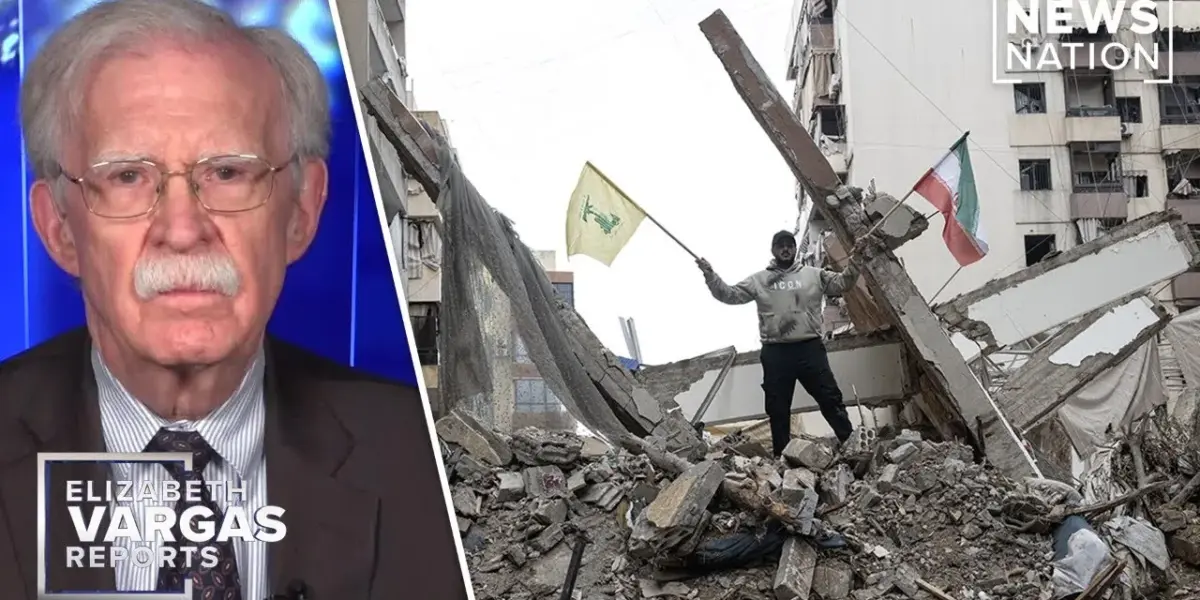
John Bolton believes Iran has little incentive to honor any deal reached in upcoming peace talks. He argues Iran senses U.S. "panic" and sees President Trump seeking a way out for domestic political reasons, giving Iran significant leverage. Bolton is skeptical of Iran's commitment, citing their history of broken promises.

Iran Talks: Why Bolton Thinks Iran Won’t Keep Promises
Peace talks between the United States and Iran are facing intense security measures in Pakistan. The Serena Hotel in Islamabad, where the talks are set to take place, has been cleared of all guests. Thousands of armed forces are surrounding the hotel to ensure what Pakistan’s Foreign Minister calls “proof security.” Vice President Pence is expected to arrive soon, adding to the high stakes of these negotiations.
However, Iran’s Parliament Speaker has stated that Iran will not participate in talks under threat, accusing President Trump of seeking Iran’s surrender. This raises serious questions about whether these peace talks will even happen.
John Bolton, former U.S. Ambassador to the United Nations and National Security Adviser, believes the Iranians have the easier decision when it comes to showing up. They can wait until the last moment to confirm Vice President Pence’s attendance before deciding to join the discussions.
A Race Against Time
The current ceasefire is set to expire soon, leaving a limited window for any meaningful discussions. The first round of talks lasted 21 hours without reaching an agreement.
Bolton suggests that Iran wants to avoid being blamed for the breakdown of negotiations by not showing up. However, he is highly skeptical about Iran’s willingness to negotiate anything substantial once they are there.
Bolton’s assessment of Iran’s commitment to any future agreement is stark: the odds are “close to zero.” He points to Iran’s history of broken promises and past instances where they have not followed through on their commitments. This historical pattern fuels his doubt about the sincerity of Iran’s participation and their willingness to abide by any deal.
Iran Smells “Panic” in Washington
A key insight from Bolton is his observation that Iran can sense “panic” within the White House. He believes Iran sees that President Trump wants to end the conflict for domestic political reasons.
Concerns about rising gasoline prices and the impact of the conflict on upcoming elections are seen as driving Trump’s desire for a way out. This perceived urgency gives Iran significant leverage in the negotiations.
Bolton stated, “They can see Trump wants out and it gives Iran enormous leverage.”
President Trump has publicly denied being under pressure to make a deal, calling such reports “fake news” in all caps. However, Bolton suggests that if Trump strikes a deal that resembles the Obama-era agreement or appears to be a hasty withdrawal, it could politically harm him. Trump faces a difficult dilemma: he wants to exit the conflict but cannot afford to appear weak or to have made a deal that is seen as a failure.
The “Bad-Bad” Strategy
Bolton also commented on President Trump’s communication style, particularly his threats to “completely destroy Iran’s civilization.” He describes this as a “bad-bad” strategy, which might accurately portray Trump but differs from historical diplomatic tactics. Bolton contrasts this with Henry Kissinger’s approach to China, where Nixon’s strong anti-communist stance convinced China he was serious about opposing them.
In Trump’s case, Bolton argues, Iran may not be convinced by his aggressive rhetoric. They might view his blustering and boasting as an indication that he doesn’t truly mean it and won’t follow through. This perception could lead Iran to believe there is no real threat, undermining Trump’s attempt to use intimidation to force Iran’s hand.
The Pressure Mounts on Trump
If Trump extends the ceasefire again, Bolton believes it will signal that his primary goal is simply to reach a deal. From Iran’s perspective, this means their strategy is simple: keep talking.
They can prolong the discussions until the ceasefire deadline, forcing Trump to make concessions or extend the truce further. This dynamic places increasing pressure on Trump.
The current situation suggests that the pressure is squarely on President Trump, largely due to how he has structured these negotiations. Iran’s tactic of extending talks to meet ceasefire deadlines puts him in a difficult position. The responsibility for this pressure, Bolton implies, lies partly with Trump himself for creating the dilemma.
Why This Matters
The ongoing tensions between the US and Iran, and the uncertain outcome of these peace talks, have significant global implications. A failure to reach a lasting agreement could lead to further escalation, impacting regional stability and global energy markets. The effectiveness of diplomatic strategies, especially those involving aggressive rhetoric versus calculated negotiation, is also on display.
Understanding Iran’s historical behavior and the internal political pressures on both sides is crucial for assessing the likelihood of a successful resolution. Bolton’s analysis highlights the complex interplay of domestic politics, international relations, and personal negotiation styles that are shaping this critical situation.
Looking Ahead
The immediate focus will be on whether the talks proceed and if any concrete agreements can be reached before the current ceasefire expires. The strategy employed by both sides, particularly Iran’s patience and Trump’s willingness to extend negotiations, will be key indicators of future developments.
The effectiveness of Trump’s aggressive stance versus the traditional diplomatic approach remains a central question. The outcome of these discussions could set a precedent for future US-Iran relations and influence broader geopolitical dynamics in the Middle East.
Source: Bolton: Odds close to zero Iran will commit to changes if deal reached | Elizabeth Vargas Reports (YouTube)

Related Articles


US-Iran Tensions Escalate Amid Ceasefire Confusion, Naval Showdown
Tensions between the U.S. and Iran are escalating as a critical ceasefire deadline approaches with uncertainty surrounding potential peace talks. A recent naval confrontation saw U.S. Marines seize an Iranian-flagged ship in the Gulf of Oman. Meanwhile, new polling indicates a majority of Americans disapprove of the President's handling of the situation.

Pakistan Steps Up as Global Peacemaker Amidst Rising Domestic Anger
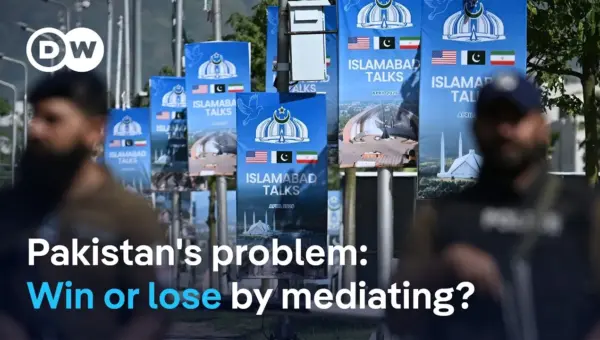
Pakistan is balancing its role as a key mediator in the U.S.-Iran conflict with rising domestic anger over American actions against Iran. While hosting crucial peace talks in Islamabad, the nation faces internal pressure and concerns about sectarian violence. This dual role highlights Pakistan's strategic importance and its complex relationship with regional and global powers.
Trump Unlikely to Extend Iran Ceasefire Amid Rising Tensions
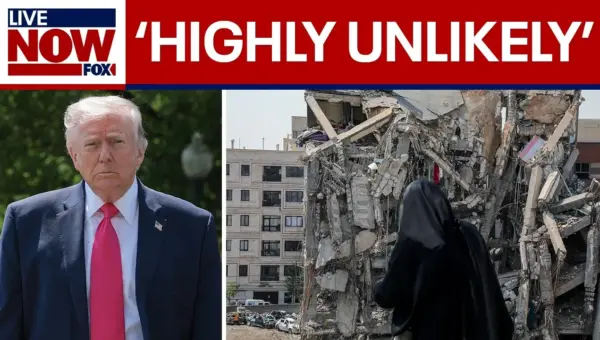
President Trump is unlikely to extend the current ceasefire with Iran as a critical deadline approaches. Tensions remain high in the Strait of Hormuz, with a U.S. blockade in effect and recent naval encounters. Diplomatic efforts continue in Pakistan, focusing on reopening the vital waterway amidst concerns over Iran's nuclear program and regional stability.