Trump Sends Mixed Messages on Iran Ahead of Key Peace Talks
Vice President J.D. Vance is set to lead a second round of critical peace talks with Iran in Pakistan, amidst escalating regional tensions and conflicting public statements from President Trump. Analysts question the reliability of the President's claims regarding Iran's concessions, suggesting a lack of clear communication is hindering diplomatic progress.

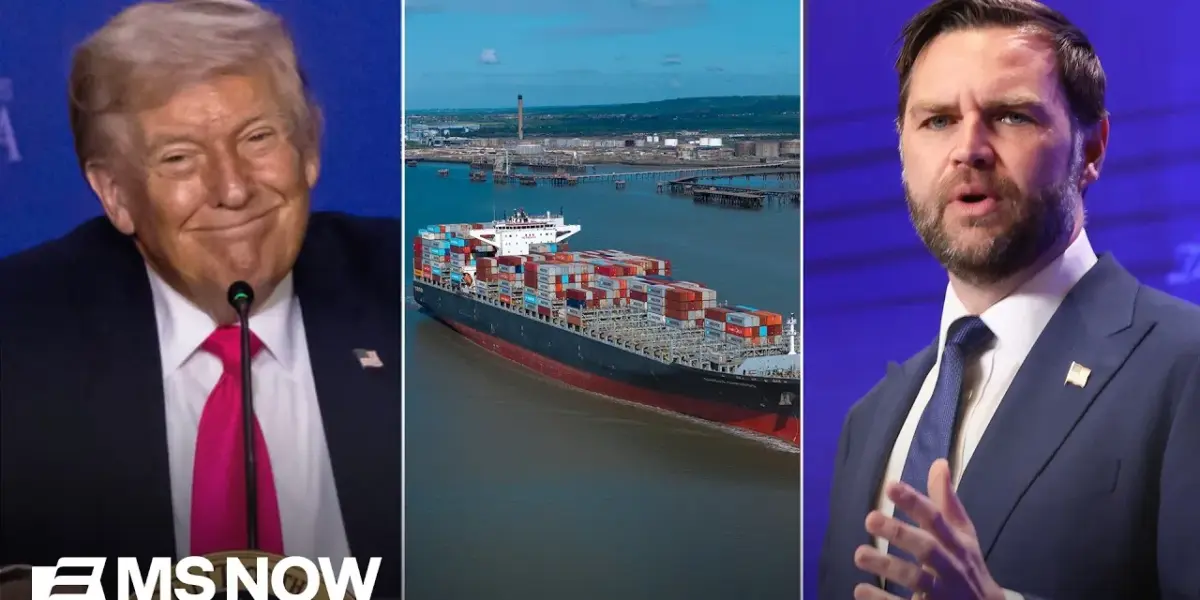
US and Iran Prepare for Second Round of Peace Talks Amidst Escalating Tensions
Vice President J.D. Vance will once again lead the United States delegation for crucial peace talks with Iran, set to take place in Pakistan. This follows an initial round of discussions earlier this month that did not yield a breakthrough.
Jared Kushner, Steve Witkoff, and officials from the Pentagon, National Security Council, and State Department will also attend. Notably absent from the delegation is Secretary of State Marco Rubio, a decision influenced by Iranian leadership’s insistence on Vice President Vance’s presence.
The upcoming negotiations occur against a backdrop of heightened regional conflict. Over the weekend, hostilities between the U.S. and Iran resumed.
The U.S. Navy reported seizing an Iranian-flagged tanker in the Gulf of Oman after firing upon it, according to President Trump. U.S. Central Command stated that a naval blockade has already redirected 27 ships since its implementation.
Conflicting Statements Cloud the Path to Diplomacy
President Trump has issued a series of statements regarding expectations for the upcoming talks, but many have been met with skepticism due to their apparent inaccuracy. Earlier this week, he claimed Iran had agreed to never close the Strait of Hormuz again, a statement contradicted by subsequent events.
He also asserted that Iran had agreed to all U.S. demands, including an indefinite moratorium on nuclear activity and the surrender of enriched uranium. The Iranian foreign ministry quickly denied these claims, noting that their longest proposed nuclear moratorium was five years and that they would not transfer materials out of the country.
Further confusing the situation, President Trump repeated claims that Iran’s military capabilities, including its Navy, Air Force, and anti-missile systems, were destroyed. While U.S. and Israeli actions have degraded these forces, they remain operational. This pattern of conflicting information has led to questions about the reliability of statements coming from the President’s office, with some aides reportedly having to correct his remarks to the media shortly after they are made.
“If you’re looking at Donald Trump for good and reliable information about what’s happening with this war, you’re looking at the wrong place.”
Expert Analysis: Unpacking the President’s Messaging
Luke Broadwater, a White House correspondent for The New York Times, described the President’s statements as more than just unreliable, suggesting they were knowingly untrue during an active conflict. He also commented on a statement made by President Trump claiming the new deal with Iran would be superior to the Joint Comprehensive Plan of Action (JCPOA), the nuclear deal negotiated under President Obama. Broadwater questioned whether the President fully understood the terms of the JCPOA himself, noting that any agreement would likely require a complete capitulation from Iran.
Lieutenant General Mark Hertling, a retired U.S. Army officer, expressed concern over the President’s public statements. He noted that the President’s approach, honed in real estate and business deals, is not effective in international diplomacy.
Hertling believes the Iranians have a strong understanding of President Trump’s tactics and are questioning his statements. This distrust has led Iran to request Vice President Vance’s direct involvement, seeing him as a more reliable negotiator.
The Role of Vice President Vance and Strategic Objectives
Vice President Vance faces a challenging task in these negotiations. Broadwater highlighted that President Trump has indicated he will take credit for any success, while Vance will bear responsibility for any failure.
This places Vance in a politically precarious position, especially given his past stance as more isolationist and his private reservations about the war. A successful resolution could help him regain support among some disillusioned members of the MAGA base.
The broad goal for the U.S. appears to be the reopening of the Strait of Hormuz and the resumption of oil flow. However, analysts point out that this was not the initial objective when the conflict began. The current situation suggests the U.S. is fighting a war to return to a pre-war status quo, a strategic dilemma.
General Hertling emphasized the difficulty of the situation, noting that while the U.S. can inflict significant military pain, Iran has a higher stake in the outcome and can endure more pressure. Iran’s ability to disrupt shipping through the Strait of Hormuz gives them significant leverage, making any successful resolution by Vice President Vance a monumental diplomatic achievement.
Looking Ahead: What’s Next in the Iran Talks
With the 14-day truce between the U.S. and Iran set to expire, the outcome of these upcoming talks in Pakistan carries significant weight. The conflicting messages from President Trump continue to complicate diplomatic efforts.
All eyes will be on Vice President Vance as he attempts to navigate this complex situation and achieve a breakthrough. The next few days will reveal whether a lasting peace can be forged or if tensions will continue to escalate in the region.
Source: 'Unreliable information': Trump sends mixed messages ahead of second Iran talks (YouTube)

Related Articles
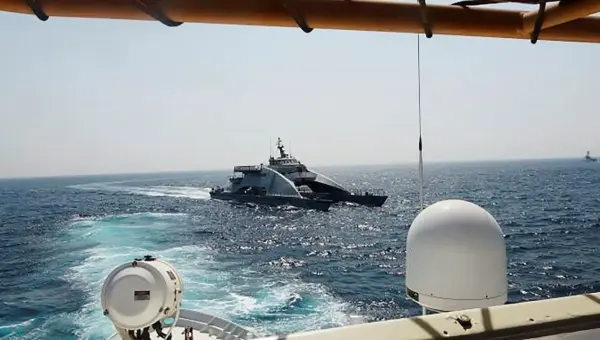
US Seizes Iranian Ship, Igniting China’s Military Aid Fears
The US Navy seized the Iranian cargo ship Touska, raising concerns about potential Chinese military support for Iran. The ship's frequent visits to China and Zhuhai's missile precursor hub are under scrutiny. This incident escalates tensions and awaits investigation results.

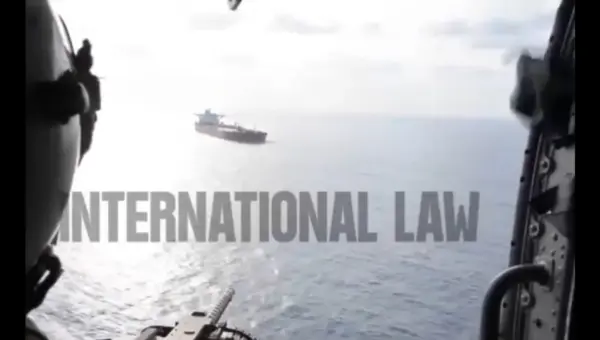
Marines Board Ship Near Iran: Strait of Hormuz Tensions Flare
US Marines boarded a vessel approaching Iran after it ignored warnings and potentially violated international law. This incident escalates tensions in the Strait of Hormuz, a critical global trade route. Experts suggest countries may seek alternative shipping and energy transport methods, like pipelines, to avoid future disruptions.
Israel Declares Air Superiority, Pledges Fight Against Iran
Israeli leaders have declared air superiority and vowed to counter Iran's regional ambitions. Despite ceasefires, military actions continue, highlighting ongoing tensions with Iran-backed groups in Lebanon and Iraq.