US and Israel Tense Over Iran’s Nuclear Path
A deep disagreement exists between the U.S. and Israel regarding Iran's nuclear capabilities. While the U.S. explored diplomatic solutions, Israel viewed Iran's enriched uranium levels as an imminent threat. This debate highlights differing intelligence assessments and strategic priorities in managing Iran's nuclear ambitions.


US and Israel Tense Over Iran’s Nuclear Path
Talks about Iran’s nuclear program are heating up, creating a divide between the United States and Israel. While the U.S. seems open to negotiations, Israel remains deeply concerned about Iran’s progress. This disagreement highlights different views on how to handle a nation accused of seeking nuclear weapons.
Differing Approaches to Iran
The core of the issue is how to stop Iran from developing a nuclear bomb. The United States, under President Trump at the time of this discussion, appeared willing to negotiate. The goal was to strike a deal, preferring diplomacy over military action. This approach aimed to achieve an agreement without resorting to force.
Israel, however, sees the situation differently. They believe Iran is much closer to having a nuclear weapon than publicly stated. This concern is fueled by intelligence assessments and Iran’s actions. Israel feels a stronger stance is needed to prevent Iran from reaching a dangerous threshold.
Intelligence and Uncertainty
A key point of debate is the level of Iran’s nuclear capability. Some reports, citing figures like Rafael Grossi of the IAEA, suggest Iran has enriched uranium to 60%. This is close to the level needed for a nuclear weapon. However, there’s uncertainty about the exact amount and Iran’s intentions.
Disagreements arose over how to interpret statements from officials and intelligence agencies. One side argued that Iran’s enrichment level is a clear sign of weapon development. The other side pointed out that even 60% enriched uranium is not a bomb. They stressed that building a weapon involves many complex steps that could take months or even years.
This uncertainty makes it hard to know exactly how close Iran is to building a bomb. Intelligence agencies admit they don’t have a complete picture. They can see that Iran has certain capabilities but lack precise details on quantity and progress.
Motivations and Interests
United States: The U.S. administration’s primary interest was to avoid a new conflict in the Middle East. President Trump’s preference for deal-making suggested a belief that negotiation could achieve this. Avoiding military action was seen as crucial to prevent further instability and potential casualties. The administration also aimed to put pressure on Iran through economic sanctions, hoping this would force concessions at the negotiating table.
Israel: Israel views Iran’s nuclear program as an existential threat. Its main goal is to prevent Iran from ever acquiring a nuclear weapon. Israel believes that any sign of Iran moving closer to a bomb requires a firm response. They are willing to consider military options if diplomacy fails. Israel’s security depends on maintaining a regional balance of power, which a nuclear Iran would disrupt.
Iran: Iran’s motivations are complex. The regime claims its nuclear program is for peaceful energy purposes. However, many international observers suspect Iran harbors ambitions to develop nuclear weapons. Iran likely sees its nuclear program as a source of leverage and a way to enhance its regional influence. It also serves as a deterrent against external attacks. The Iranian government may also be motivated by a desire to protect its own existence and resist perceived foreign interference.
International Atomic Energy Agency (IAEA): The IAEA’s role is to monitor nuclear programs worldwide and ensure they are used for peaceful purposes. Its officials, like Rafael Grossi, provide technical assessments of Iran’s activities. The IAEA aims to provide objective information to the international community, even when access to facilities is limited. Its assessments are crucial for understanding the technical aspects of Iran’s nuclear progress.
Economic and Strategic Pressures
Economic tools, such as sanctions, have been a major part of the U.S. strategy. These sanctions aimed to cripple Iran’s economy, thereby forcing its leaders to change their behavior. The effectiveness of these sanctions is debated, but they undoubtedly placed significant pressure on Iran.
The Strait of Hormuz is another strategic point. Iran’s ability to threaten or control this vital waterway, through which a significant portion of the world’s oil passes, gives it considerable leverage. The U.S. military has the capability to clear the strait quickly, but this would likely involve close-quarters combat and potential casualties, a risk the U.S. has been hesitant to take.
Historical Context
The dispute over Iran’s nuclear program is not new. For decades, international bodies and nations have tried to monitor and control Iran’s nuclear activities. Past agreements, like the Joint Comprehensive Plan of Action (JCPOA), aimed to limit Iran’s enrichment capabilities in exchange for sanctions relief. However, these agreements have faced challenges, with the U.S. withdrawing from the JCPOA in 2018, leading to increased tensions and Iran resuming higher levels of uranium enrichment.
Global Impact
The situation has far-reaching consequences. A nuclear-armed Iran would dramatically alter the security landscape of the Middle East. It could trigger a regional arms race, with countries like Saudi Arabia potentially seeking their own nuclear capabilities. The stability of global energy markets could also be threatened. The ongoing tension and uncertainty surrounding Iran’s nuclear program continue to be a major concern for international peace and security.
Future Scenarios
Several outcomes are possible. Diplomacy could succeed, leading to a new agreement that limits Iran’s nuclear program. Alternatively, negotiations could fail, increasing the risk of military confrontation. There is also the possibility that Iran could continue to advance its program, leading to a prolonged period of heightened tension and uncertainty. Each scenario carries significant risks and implications for global stability.
Source: Bill O’Reilly, Chris Cuomo clash on Iran’s nuclear capability | CUOMO (YouTube)

Related Articles


Iran Nuclear Talks Collapse: What’s Next?
Recent US-Iran peace talks in Pakistan failed to reach an agreement on Iran's nuclear program. Key demands for dismantling facilities and halting enrichment were rejected by Iran, which insists on retaining its nuclear rights. The breakdown suggests a prolonged period of economic pressure and continued international concern over Iran's nuclear ambitions.

US Navy Blockade of Iran: High Risk, Low Reward?
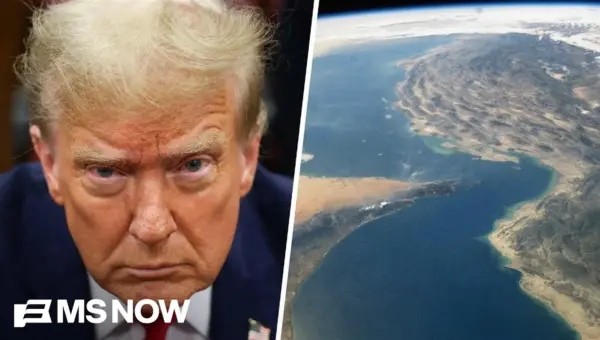
The US Navy's new blockade of Iranian ports faces scrutiny for its effectiveness and lack of international support, with analysts calling it a high-risk, low-reward strategy. Amidst diplomatic stalemates and potential Iranian countermeasures like naval mines, the situation remains tense.
Iran Talks Collapse; US Imposes Strait of Hormuz Blockade
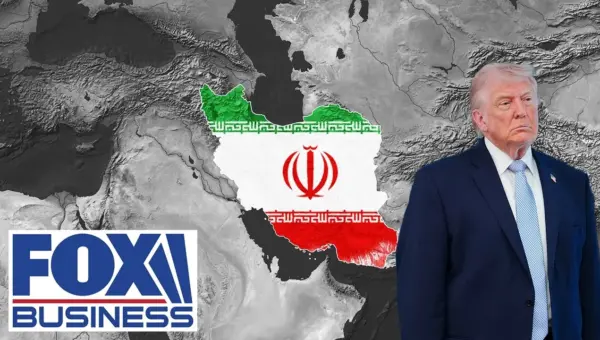
Peace talks with Iran have collapsed, leading the U.S. to blockade the Strait of Hormuz. President Trump demands complete compliance from Iran on nuclear weapons. Meanwhile, Congress tackles homeland security funding and election integrity measures, while a lawsuit against Harvard highlights concerns over anti-Semitism on elite campuses.