Trump’s Iran Gamble: Is War or Diplomacy the Path Forward?
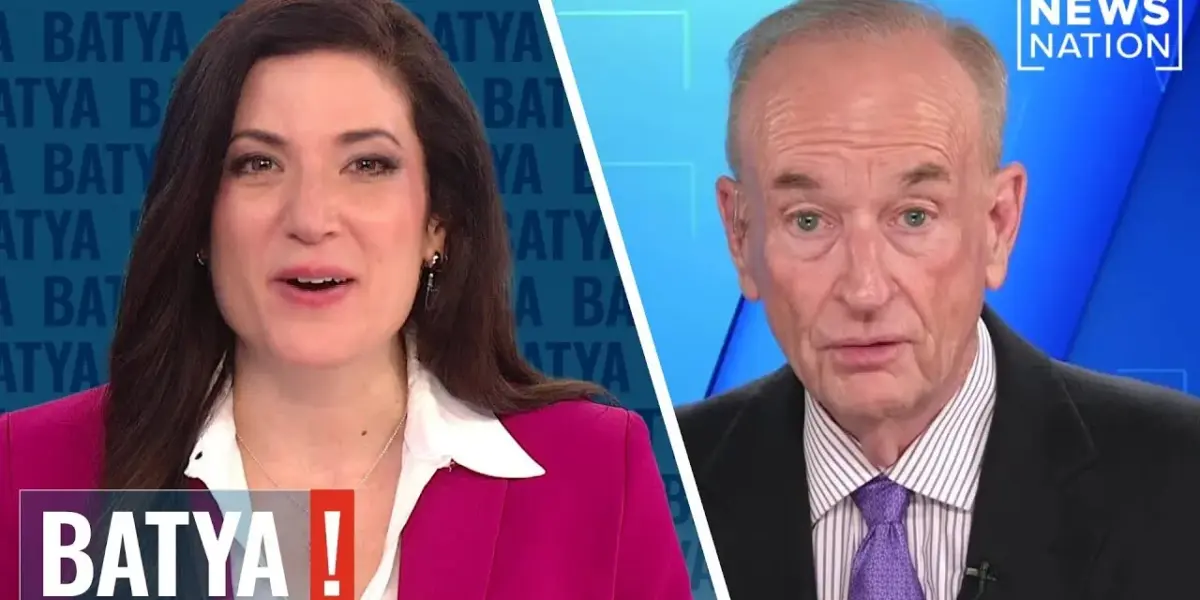
Bill O'Reilly discusses President Trump's high-stakes foreign policy regarding Iran, suggesting a personal drive for victory fuels aggressive tactics. He questions the control of the Strait of Hormuz and highlights shifting international alliances, with Gulf states stepping up and European allies faltering. The conversation also touches on the controversial tariff refund system, questioning who truly benefits.

Trump’s Iran Gamble: Is War or Diplomacy the Path Forward?
New polling suggests that 67% of Americans disapprove of war, a sentiment that stands in stark contrast to President Trump’s approach to Iran. Bill O’Reilly, speaking on a special edition of ‘I’m But Younger Side On,’ suggests that for Trump, the goal is not to appear to be losing, either domestically or internationally. This drive to project strength influences his foreign policy decisions, particularly concerning Iran, where he aims to use all available U.S. capabilities to bring the nation to its knees.
O’Reilly describes Trump’s presidency as his ‘biggest gamble,’ a high-stakes political play he must succeed in. He anticipates that the U.S. will use whatever means necessary to weaken Iran.
This could involve further military action, not just by the U.S. but also by Israel, targeting factories and food distribution points. Such actions, O’Reilly warns, would directly impact the Iranian people.
The Strait of Hormuz: More Than Just Insurance?
The idea that Iran controls the Strait of Hormuz is dismissed by O’Reilly as ‘a bunch of bull.’ He argues that insurance companies, not Iran, are the real controllers of this vital shipping lane. He points to the fact that 24 ships passed through the strait just days before the discussion, suggesting that order can be maintained. However, he believes that to stop the current leadership in Tehran, more military action might be necessary.
Trump’s Private Confidence and Public Persona
When asked about Trump’s private confidence regarding Iran, O’Reilly notes that the President would never admit to feeling unsure. This unwavering confidence, while a strength, can also be a weakness, leading to overstatements and a belief that victory is always imminent. O’Reilly suggests that many Americans have become desensitized to the ongoing tensions, but believes the situation is reaching a climax, expecting something dramatic to happen soon.
O’Reilly also touches on Trump’s use of Twitter, suggesting that his online pronouncements, like the famous ‘tremendous’ tweet regarding the Strait of Hormuz, might be part of a deliberate strategy to destabilize Iran. This ‘madman theory’ of foreign policy, as described by a Wall Street Journal article, aims to show Iran that Trump is willing to do whatever it takes. However, O’Reilly believes Iran already knows it has been punished, with recovery potentially taking years.
The Role of Weapons Inspectors and Internal Dissent
A key point for O’Reilly is allowing weapons inspectors to verify Iran’s uranium enrichment levels and missile status. He sees Iran’s refusal to do so as defiance.
The question remains, however, how much more punishment the Iranian people can endure. O’Reilly senses rising dissent within Iran, suggesting that internal pressure could be a significant factor, even if the government tries to suppress it.
Shifting Alliances and European Hesitation
The discussion highlights a surprising shift in international alliances. Moderate Muslim Gulf nations have stepped up as primary partners alongside Israel, while European allies are characterized as ‘feckless freeloaders.’ O’Reilly suggests that these European nations, particularly the UK, France, and Germany, are influenced by their large Muslim populations and fear potential terrorist attacks. This fear, he believes, has eroded their credibility with Trump.
O’Reilly states that NATO is essentially finished in Trump’s eyes. He argues that the Gulf states are acting out of self-interest, wanting to curb Iran’s regional influence, rather than through any sense of self-sacrifice. Europe’s fear of its Muslim populations and the potential for unrest are seen as primary motivators for their cautious approach.
Tariff Refunds: A Question of Fairness?
A separate point of contention discussed is Trump’s tariff refund system. Companies can now apply for reimbursements on tariffs paid, totaling $166 billion.
This policy is particularly galling to some, as they were led to believe tariffs were being passed on to consumers, when evidence suggested corporations largely absorbed these costs. The speaker expresses frustration that while corporations are now eligible for refunds, consumers are not.
The hypocrisy is seen in the same people who insisted consumers were paying tariffs now being content with corporations receiving the refunds. O’Reilly, however, expresses a different view, stating he is happy if the ‘working man and woman’ gets a refund, and doesn’t care about ‘stupid companies.’ He also expresses skepticism about the likelihood of these refunds actually reaching those who paid them, given the political and legal hurdles.
The conversation ends with a sense of uncertainty regarding the long-term implications of Trump’s policies on Iran and trade. The upcoming actions and their outcomes remain to be seen, with O’Reilly offering a final blessing to the interviewer.
Source: Bill O’Reilly discusses Iran war, Trump’s tariff refund system | Batya! (YouTube)

Related Articles
Ex-General Slams Trump’s Iran Talks: ‘America Alone’ Policy
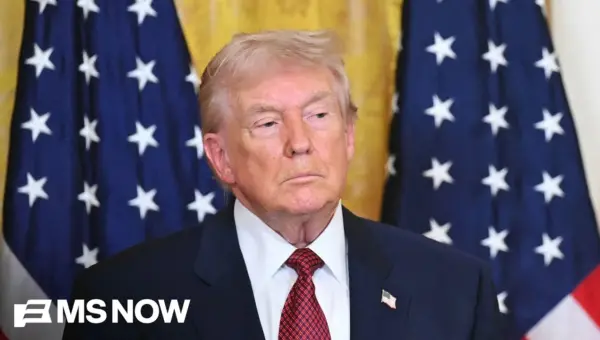
A retired U.S. Army General criticized Donald Trump's Iran negotiation team, labeling the approach as "America Alone." The lack of experienced diplomats and reliance on business figures raises concerns about achieving meaningful outcomes. Key demands from both sides highlight a significant gap, with Congress's role and intelligence failures adding further complications to the delicate situation.

Dem Lawmaker: Trump Undermines Iran Deal Prospects
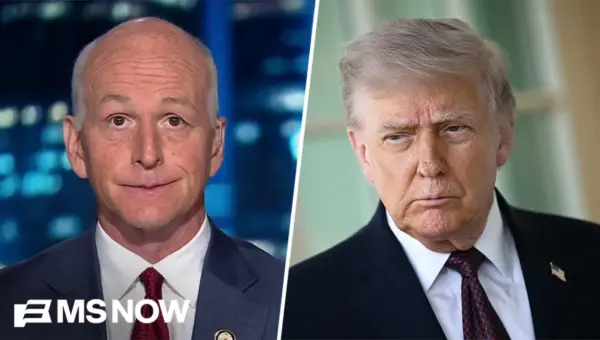
Rep. Adam Smith, a leading Democrat on the House Armed Services Committee, stated that President Trump's claims about the conflict with Iran are meaningless and that the U.S. has not achieved its objectives. Smith believes Trump's unpredictable and boastful rhetoric is undermining any possibility of a diplomatic deal with Iran and empowering hardliners.

Trump Sends Mixed Messages on Iran Ahead of Key Peace Talks
Vice President J.D. Vance is set to lead a second round of critical peace talks with Iran in Pakistan, amidst escalating regional tensions and conflicting public statements from President Trump. Analysts question the reliability of the President's claims regarding Iran's concessions, suggesting a lack of clear communication is hindering diplomatic progress.