Ex-General Slams Trump’s Iran Talks: ‘America Alone’ Policy
A retired U.S. Army General criticized Donald Trump's Iran negotiation team, labeling the approach as "America Alone." The lack of experienced diplomats and reliance on business figures raises concerns about achieving meaningful outcomes. Key demands from both sides highlight a significant gap, with Congress's role and intelligence failures adding further complications to the delicate situation.

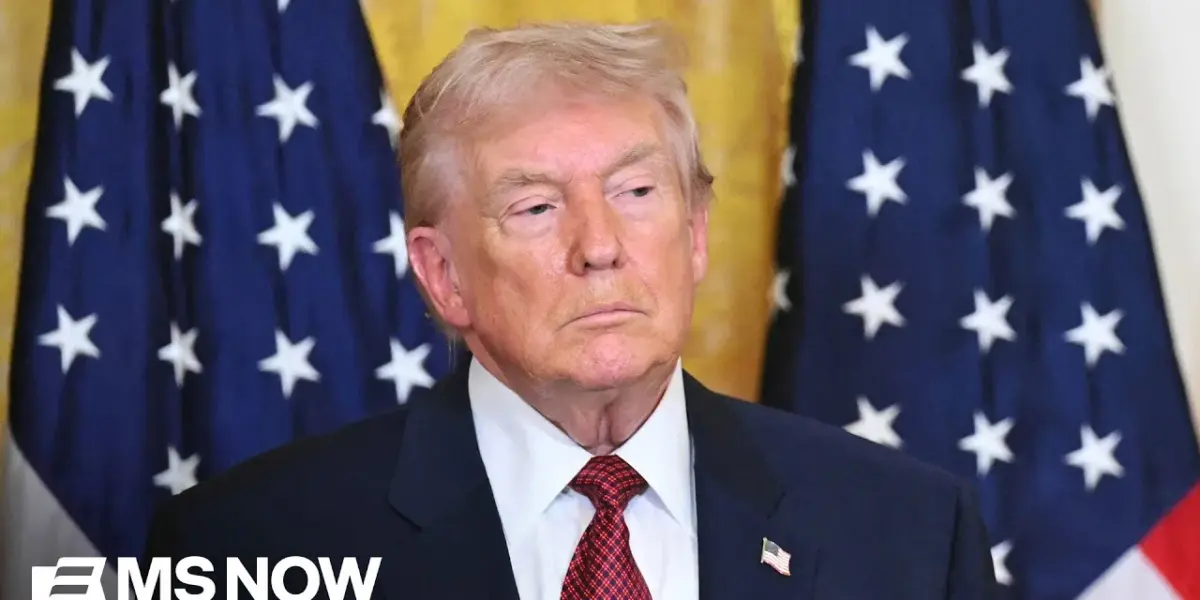
Retired General Criticizes Trump’s Iran Negotiation Team
A retired U.S. Army Brigadier General has sharply criticized former President Donald Trump’s approach to negotiating with Iran, stating that the current situation reflects an “America Alone” policy rather than “America First.” The general, speaking on a recent program, questioned the qualifications of the individuals involved in the talks, describing them as “two real estate guys” and Senator J.D. Vance, rather than experienced diplomats or national security experts.
The general expressed concern that this lack of professional expertise means any negotiations are unlikely to achieve significant long-term objectives. He suggested that the best achievable outcome might be a temporary cease-fire and the reopening of the Strait of Hormuz. This cautious outlook highlights the perceived weakness of the U.S. position due to what he called “erratic behavior” from the president.
Key Demands and Sticking Points in Iran Talks
The transcript outlined the vast differences between U.S. demands and Iran’s requests. The U.S. sought no uranium enrichment, dismantling of nuclear sites, halting funding to groups like Hamas and Hezbollah, and keeping the Strait of Hormuz open without tolls. Iran, conversely, demanded the right to enrich uranium, an end to U.S.-Israeli attacks, a ceasefire in Lebanon, compensation for war damages, lifting sanctions, and control over the Strait of Hormuz.
These demands place the two sides “a mile apart,” according to the analysis. The situation is complicated by the absence of key players at the negotiation table. This includes experienced negotiators and, significantly, the U.S. Congress, which holds the constitutional power to declare war.
Congress’s Role and the War Powers Act
Former Congresswoman Jane Harman pointed out that Congress, under the Constitution, is supposed to be involved in decisions about war. She noted that President Trump’s rhetoric has not taken the possibility of sending U.S. troops into harm’s way off the table. Harman expressed skepticism about Congress’s willingness to engage, humorously referring to it as “Congress always chickens out.”
Harman raised concerns about the ratification of any potential long-term deal. She recalled that the previous Iran deal, the JCPOA, was an agreement, not a treaty, partly because a treaty might not have passed Congress. A law passed by Senator Marco Rubio requires congressional approval for certain actions related to international agreements, adding another layer of complexity to any future negotiation outcomes.
Intelligence Gaps and Broader Geopolitical Concerns
A significant concern raised was the lack of a capable intelligence function informing the negotiations. Without reliable intelligence on Iran’s activities, such as rumors of new uranium sites, policymakers are operating in the dark. This intelligence gap makes it difficult to set effective policy and understand the true intentions of the Iranian government.
The discussion also touched upon the broader implications of Trump’s foreign policy. Former Vice President Kamala Harris was quoted saying that Trump is the first president since World War II to abandon America’s role in protecting alliances and friendships. She criticized his dismissal of international rules and norms, stating that this approach leads to an “America Alone” stance, weakening the nation’s global standing and making it difficult to execute any agreed-upon policies.
Looking Ahead: Uncertainty and Potential Outcomes
While the overall outlook is described as challenging, there was a glimmer of hope mentioned: the possibility of an agreement between Lebanon and Israel, potentially leading to Hezbollah’s removal from the Lebanese government. Such an outcome would be viewed as a significant win for all parties involved, including the U.S. and the world.
However, this remains a hopeful speculation rather than a concrete expectation. The general concluded that with the current approach, the U.S. national security apparatus appears broken, with policy seemingly driven by presidential tweets rather than strategic planning. The path forward remains uncertain, with a reliance on experienced negotiators and solid intelligence being crucial for any successful diplomatic engagement.
Source: 'Not America first, it’s America alone': Retired U.S. Army Brig. Gen. on Trump’s Iran war (YouTube)

Related Articles
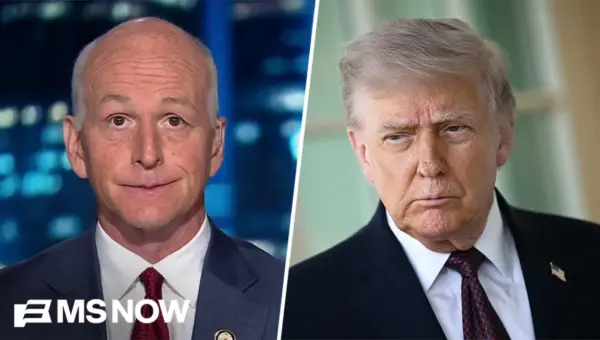
Dem Lawmaker: Trump Undermines Iran Deal Prospects
Rep. Adam Smith, a leading Democrat on the House Armed Services Committee, stated that President Trump's claims about the conflict with Iran are meaningless and that the U.S. has not achieved its objectives. Smith believes Trump's unpredictable and boastful rhetoric is undermining any possibility of a diplomatic deal with Iran and empowering hardliners.

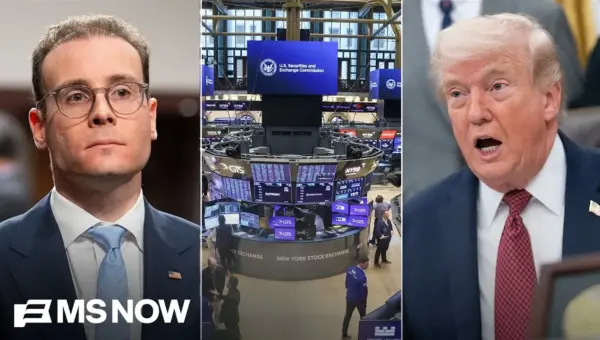
Regulators Probe Suspected Insider Trading Amid Iran War
Federal regulators are reportedly investigating suspicious trading activity that occurred just minutes before President Trump altered his public stance on the Iran war. The CFTC is examining instances of well-timed trades in futures markets, where billions of dollars may have been involved, raising concerns about market integrity and national security.

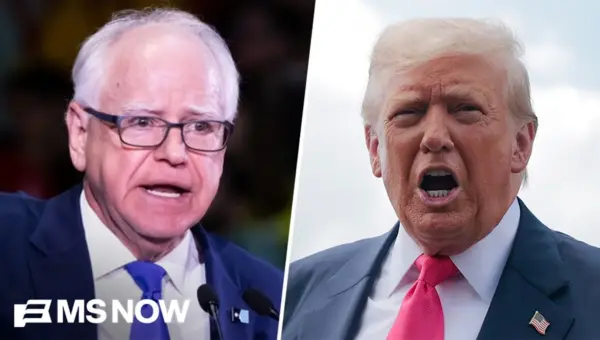
Walz Blasts Trump, Pledges Fight for Rural America
Minnesota Governor Tim Walz launched a new PAC to support Democrats in rural areas, criticizing Donald Trump's policies and foreign policy decisions. He emphasized the need for tangible policy solutions that improve daily lives, particularly for those in small towns often feeling left behind. Walz aims to build the political infrastructure necessary to connect with these communities and enact meaningful change.