US Seizes Iranian Ship, Igniting China’s Military Aid Fears
The US Navy seized the Iranian cargo ship Touska, raising concerns about potential Chinese military support for Iran. The ship's frequent visits to China and Zhuhai's missile precursor hub are under scrutiny. This incident escalates tensions and awaits investigation results.

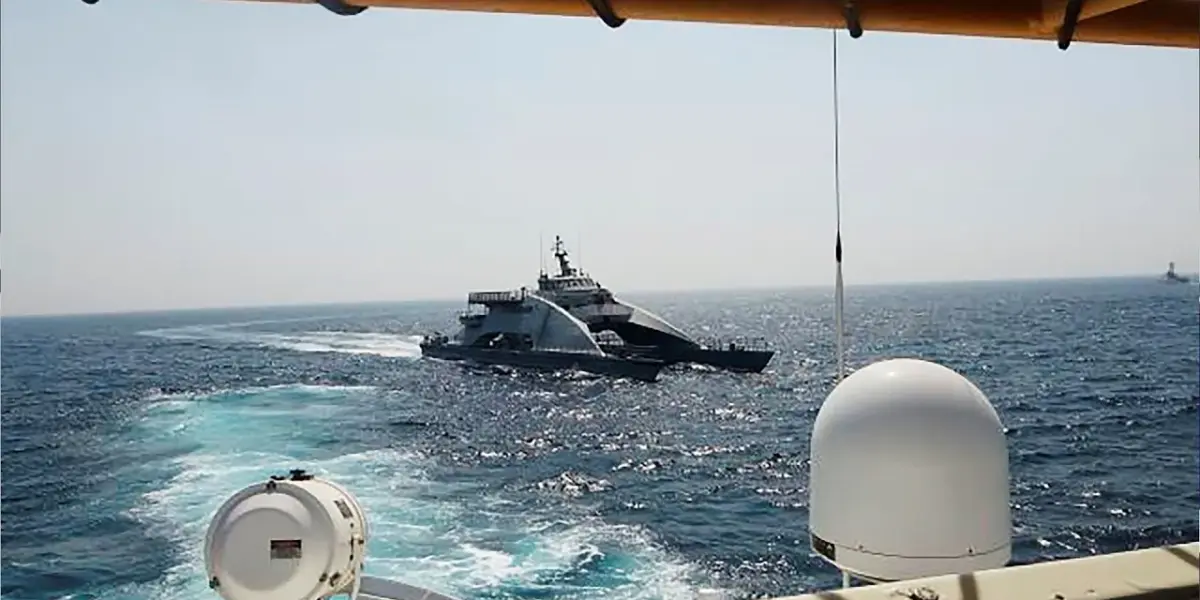
US Seizes Iranian Ship, Igniting China’s Military Aid Fears
The US Navy has seized an Iranian cargo ship, the Touska, in the Gulf of Oman. This action followed the vessel’s attempt to break a US blockade and enter an Iranian port.
President Trump announced the seizure on Sunday, stating that a US Navy destroyer intercepted the ship. US forces have boarded the vessel, and an investigation is now underway to determine its cargo.
The Touska’s actions suggest it was carrying something valuable to Iran, possibly explaining its attempt to defy the US blockade. The ship’s recent activities have raised concerns about potential military support from China.
Maritime data shows the Touska frequently visits China, with stops in Shanghai and Zhuhai around the end of March. Zhuhai’s Gaolan Port is known for its heavy industry and liquid chemical storage, including materials used to make medium-range missiles.
This incident occurs amid ongoing tensions between the US and Iran, and it may also strain relations with China. The Touska itself has a history of illicit activity, having been sanctioned in 2018 for suspected smuggling. The ship spent much of the previous year traveling between China and Iran, highlighting a consistent link between the two nations.
China’s Role Under Scrutiny
China has officially expressed concern over the US seizure of the Iranian cargo ship. However, past actions suggest a pattern of exploiting dual-use technologies to bypass sanctions. Experts warn that China has a history of using such methods, which could be a way to support Iran without direct military involvement.
President Trump previously stated that Chinese leader Xi Jinping promised him that China was not sending weapons to Iran. He had also threatened significant tariffs on China if it was found aiding Iran militarily. This recent event puts China’s adherence to those promises under a harsh spotlight.
Broader Geopolitical Implications
The seizure of the Touska escalates existing tensions between the United States and Iran. Iran has indicated it has no plans to attend further peace talks, though it has not entirely closed the door. This development comes as a US-Iran ceasefire is set to expire soon.
President Trump has expressed doubt about extending the current ceasefire, which is due to end on Wednesday evening. The situation remains fluid, with the possibility of renewed peace talks uncertain. The incident involving the Touska adds another layer of complexity to these already delicate diplomatic efforts.
Why This Matters
This event is significant because it directly links a maritime incident to potential state-sponsored military support. The US is closely watching for any signs that China is providing Iran with materials that could be used for weapons development. Such support would violate international sanctions and significantly alter the balance of power in the region.
The investigation into the Touska’s cargo is crucial. If it contains items that can be traced back to Chinese suppliers and intended for military use, it could lead to serious diplomatic and economic consequences. This would put China in direct conflict with US policy and potentially trigger the tariffs President Trump has threatened.
Historical Context
The US has long sought to limit Iran’s military capabilities, particularly its missile programs. Sanctions have been a primary tool in this effort, aiming to cut off funding and access to necessary materials. Iran, in turn, has sought ways to circumvent these sanctions, often through clandestine trade routes and third-party intermediaries.
China’s role as a major global trading partner gives it significant influence. Its economic ties with Iran, while officially limited in some areas, have historically included trade in goods that could have dual military and civilian uses. This has made China a key focus for US intelligence and diplomatic efforts concerning Iran.
Future Outlook
The investigation into the Touska’s cargo will likely shape future US-China and US-Iran relations. If evidence of Chinese complicity is found, expect increased pressure on Beijing. This could involve stricter enforcement of sanctions, new trade restrictions, or intensified diplomatic negotiations.
For Iran, the seizure is a clear reminder of the US commitment to enforcing blockades and sanctions. It may also push them to seek alternative avenues for acquiring necessary goods, potentially increasing reliance on less transparent networks. The upcoming expiration of the US-Iran ceasefire adds urgency to the situation, as any escalation could derail peace efforts.
The next crucial step will be the findings from the US investigation into the Touska’s contents. These results will determine the immediate diplomatic and economic responses from all parties involved.
Source: US Seizes Iranian Cargo Ship That Frequented China (YouTube)

Related Articles

China Threatens Retaliation Over EU’s Cybersecurity Crackdown
The EU's proposed cybersecurity law aims to remove Chinese tech companies from critical 5G networks, prompting a strong warning from Beijing about potential retaliation. This move highlights growing global tensions over technology and national security.


Volvo’s China Deal Sparks Global Identity Crisis
Volvo's partnership with Chinese nationalist Hu Xijin has sparked debate about global brands adapting to China's market. While some see it as a smart move to appeal to elites, others worry it damages the brand's premium image. This raises questions about how far companies will go to tailor their identity for different regions.
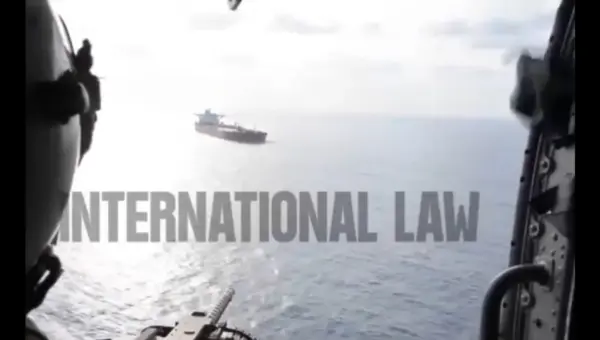
Marines Board Ship Near Iran: Strait of Hormuz Tensions Flare
US Marines boarded a vessel approaching Iran after it ignored warnings and potentially violated international law. This incident escalates tensions in the Strait of Hormuz, a critical global trade route. Experts suggest countries may seek alternative shipping and energy transport methods, like pipelines, to avoid future disruptions.