PM Fires Top Officials in Vetting Scandal Fallout
Prime Minister Keir Starmer is facing severe criticism for dismissing senior civil servants, including Oliver Robbins, in the wake of a vetting scandal. The controversy, likened to 'Yes, Minister,' highlights concerns over transparency, accountability, and the Prime Minister's handling of personnel decisions. The situation has damaged relations between the government and the civil service, raising questions about future recruitment and trust.

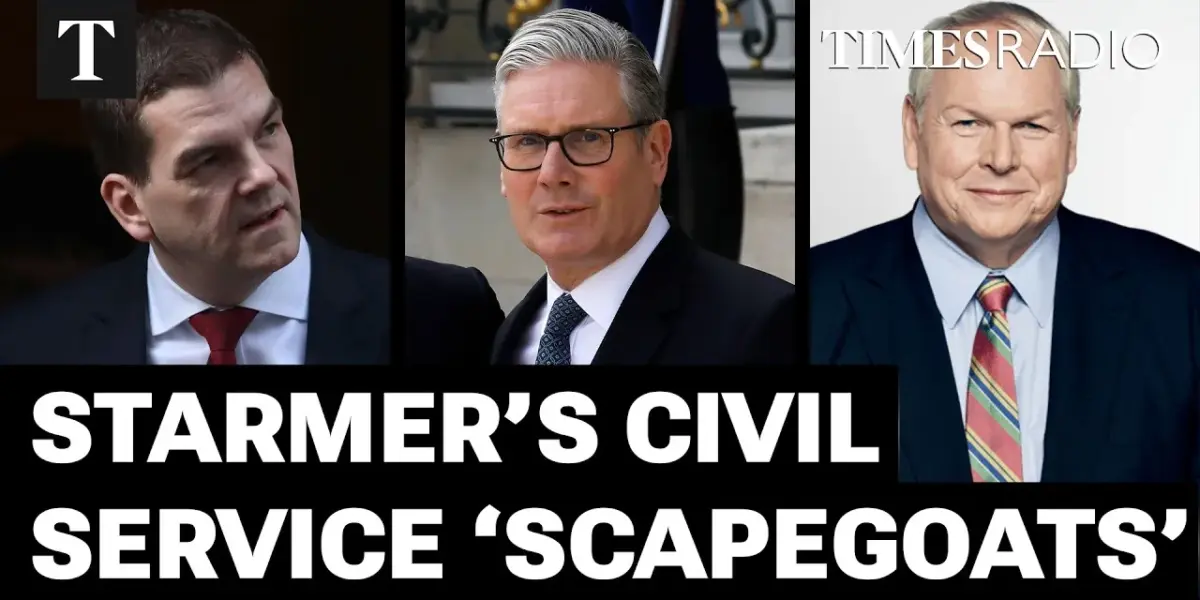
Prime Minister Faces Backlash Over Senior Civil Servant Dismissals
Prime Minister Keir Starmer is facing intense criticism following the dismissal of several senior civil servants in the wake of a vetting scandal involving a proposed ambassadorship. The controversy, which has drawn comparisons to the classic British sitcom ‘Yes, Minister,’ centers on the handling of a vetting report for a potential ambassadorial appointment. Critics argue that the Prime Minister has created a ‘bloodbath’ by dismissing officials rather than taking personal responsibility for the misjudgment.
‘Yes, Minister’ Echoes in Whitehall Drama
The current political drama has been widely compared to the beloved BBC series ‘Yes, Minister,’ where the complexities and humor of civil service and political interactions were often highlighted. This comparison comes as the Prime Minister appears to be scapegoating senior civil servants, such as former Cabinet Secretary Oliver Robbins, for decisions that were ultimately his own. Instead of accepting a misjudgment, the Prime Minister has chosen to dismiss key figures, leading to a breakdown in relations between the government and the civil service.
Parliamentary Scrutiny and Media’s Role
During a parliamentary session, Jeremy Wright, chair of the parliamentary security committee, questioned why Parliament was not informed sooner about Peter Mandelson’s vetting issues. Wright highlighted that the information only came to light after a report in The Guardian, raising concerns about transparency. This situation is a clear reminder of the importance of supporting journalism, as crucial information often emerges through diligent reporting only after significant effort.
Questions Over Vetting Procedures and Communication
The core of the issue lies in the timeline of the vetting process and the communication of its findings. Reports suggest that the Cabinet Secretary, Sir Simon Case, had advised that appointments should be announced only after vetting was completed.
However, conflicting accounts emerged, with a successor suggesting a different practice was acceptable. The Prime Minister has relied on this latter interpretation, despite having also dismissed the official who provided it, leaving his defense appearing weak and legalistic.
Damaged Relations and Future Recruitment Concerns
The way senior civil servants have been treated is seen as damaging the relationship between the government and its public servants. If officials fear being blamed for political decisions, it could deter talented individuals from entering or remaining in the civil service. This is particularly concerning given the government’s stated desire to attract professionals from industry and the armed forces.
Oliver Robbins’s Departure and Future Implications
Oliver Robbins, a key figure in this controversy, is expected to give evidence to a parliamentary committee, which promises to be a significant moment. His dismissal, alongside other senior officials, raises questions about the process and potential compensation. Critics argue that dismissing him for a decision made by the Prime Minister is unjust and could lead to further complications for the government.
Prime Minister’s Defense and Changes to Process
In response to the fallout, the Prime Minister announced changes to the appointment and vetting process. These include requiring full due diligence, pre-appointment interviews to discuss risks, and ensuring public announcements are made only after security vetting is completed. However, some question whether these changes are merely closing the stable door after the horse has bolted, especially given the initial handling of the situation.
Accusations of Prioritizing Politics Over Security
Emily Thornberry, chair of the foreign affairs select committee, suggested that for some within the Prime Minister’s team, securing the appointment may have been a higher priority than security considerations. The offer letter and government press release did not clearly state that the appointment was subject to vetting, leading to suspicions that security was a secondary concern.
Uncertainty Over Mandelson’s Statements
Despite the Prime Minister’s assertion that Peter Mandelson lied during the vetting process, Mandelson himself maintains he did not. The exact nature and material impact of any alleged untruths remain unclear, as the specific questions and answers are reportedly being withheld. This lack of clarity has fueled further questions about the basis of the Prime Minister’s decision to dismiss Mandelson and subsequently blame other officials.
A Pattern of Dismissals
This latest controversy adds to a perceived pattern of dismissals under the current Prime Minister, with figures like Sue Gray and Tim Allen also departing under contentious circumstances. Critics suggest this approach, sometimes described as ‘McWeedish,’ involves finding someone to blame to resolve political difficulties, rather than addressing the root causes or taking direct responsibility.
Looking Ahead: Robbins’s Testimony and Civil Service Trust
All eyes will be on Oliver Robbins’s testimony before the parliamentary committee. His account is expected to shed further light on the events leading to the dismissals and the government’s handling of the vetting process. The outcome of this scrutiny could significantly impact trust in the civil service and the Prime Minister’s leadership, as the government faces the challenge of rebuilding its relationship with public servants.
Source: Starmer Can't Keep Firing Senior Civil Servants | Adam Boulton (YouTube)

Related Articles
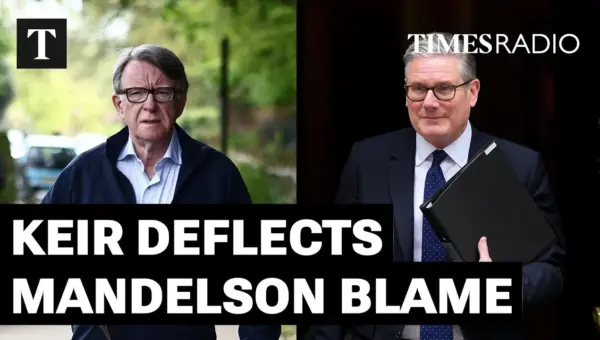
PM Blamed Civil Servant for Mandelson Envoy Role
Prime Minister Keir Starmer has blamed Sir Ollie Robbins, a top civil servant, for issues surrounding Peter Mandelson's failed appointment as US ambassador. Labour MPs view the initial political appointment itself as the 'original sin,' despite Starmer's claims of not being fully aware of vetting concerns.

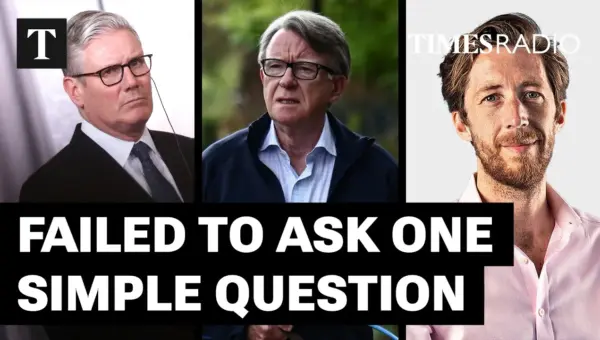
PM Faces Parliament Over Vetting Scandal, Robbins Next
Prime Minister Keir Starmer faces Parliament today over the Peter Mandelson vetting controversy, expected to blame senior civil servant Sir Olly Robbins. Robbins' testimony tomorrow is seen as critical, with potential implications for Starmer's leadership. Meanwhile, Londoners face significant disruption from Tube strikes this week.
PM Faces Reckoning Over Envoy’s Security Vetting Scandal
Prime Minister Keir Starmer faces intense scrutiny over the appointment of Peter Mandelson as ambassador, who was given the role despite failing security vetting. The scandal has drawn comparisons to past governments and raised questions about accountability and adherence to process. Starmer is set to address Parliament, while Sir Oliver Robbins will be questioned by a select committee.