Markets Shrug Off Iran Tensions as AI Drives Stocks Higher
Global stock markets are defying geopolitical tensions surrounding Iran, with major indices holding near record highs. Investors are increasingly focusing on the powerful growth narrative of artificial intelligence (AI), which is overshadowing concerns about oil prices and regional instability. Economic resilience and strong corporate earnings are providing a stable backdrop for this market behavior.

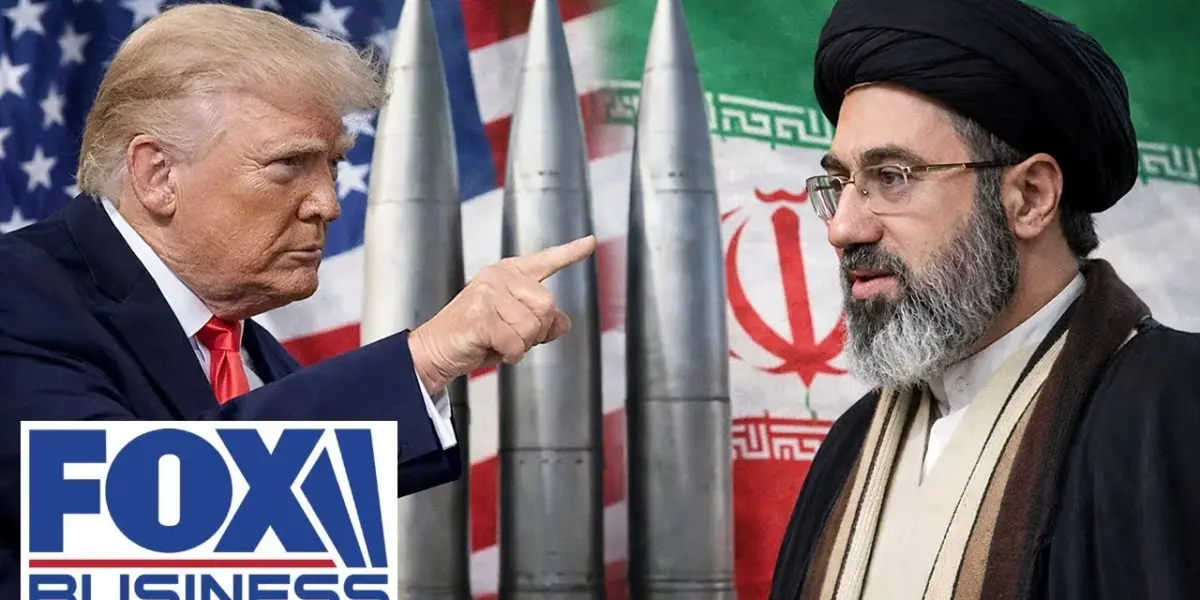
Markets Show Resilience Amidst Geopolitical Tensions
Global stock markets are demonstrating remarkable stability despite escalating tensions between the United States and Iran. While oil prices have seen an uptick, major indices like the S&P 500 are holding near record highs, a surprising resilience that analysts attribute to strong underlying economic factors and the powerful narrative of artificial intelligence (AI).
President Trump’s strong rhetoric, including threats to Iran’s infrastructure if a deal is not reached, and the recent U.S. seizure of an Iranian cargo ship, have raised concerns. Iran has vowed retaliation, and U.S. Central Command continues to enforce a blockade aimed at exerting economic pressure. This blockade is described not just as a show of force, but as a direct measure to limit Iran’s ability to transport oil, with the hope of driving diplomatic pressure and negotiations.
AI Dominates Investor Focus, Outshining Oil Prices
Despite the geopolitical backdrop, the stock market appears to be largely moving past the immediate Iran situation, focusing instead on new growth drivers. The NASDAQ Composite, for instance, has shown minimal movement, barely registering a dip. This comes after a remarkable 13-day winning streak where the index climbed nearly 18 percent.
This sustained growth is primarily being fueled by the burgeoning artificial intelligence sector. Investors are increasingly focused on how AI will impact corporate profits in the United States. The narrative around AI’s potential is so strong that it is overshadowing concerns about oil prices and geopolitical instability, preventing a significant disruption to the equity market’s upward trajectory.
Economic Resilience Supports Market Stability
Analysts note that the current economic environment is significantly different from previous periods of geopolitical oil shocks, such as the Russia-Ukraine invasion or the stagflationary 1970s. Inflation remains considerably lower than during the Ukraine conflict, and central banks are not under pressure to aggressively hike interest rates, unlike in 2022.
Macroeconomic data points to a surprisingly resilient economy. Unlike past scenarios where rising oil prices to $80 or $90 a barrel would trigger recession fears, current economic conditions and corporate earnings remain strong. This resilience allows the market to absorb higher energy costs without significant immediate fallout, a stark contrast to previous economic downturns.
What Investors Should Know
- Market Focus: Investors are prioritizing the long-term growth story of AI over short-term geopolitical risks related to Iran.
- Economic Strength: The U.S. economy is showing robust resilience, with strong corporate earnings and moderate inflation, cushioning the impact of higher oil prices.
- Geopolitical Pressure: The U.S. blockade against Iran is designed to exert significant economic pressure, aiming to force diplomatic solutions rather than immediate military escalation.
China’s Complex Role
China’s position in the ongoing U.S.-Iran dynamic is complex. While the U.S. has implemented economic blockades, China has been a significant buyer of Iranian oil, potentially providing financial support to the regime. However, reports suggest China may also be encouraging Iran to reach a deal, balancing its own economic needs with regional stability.
Some analysts view President Trump’s assertive stance not only as a message to Iran but also to China, signaling American strength and deterring potential aggression. While China’s long-term strategy remains its own interest, the current situation appears to be keeping Beijing cautious and less likely to escalate regional tensions.
The Strait of Hormuz: A Critical Chokepoint
The Strait of Hormuz remains a critical chokepoint for global oil supply. Despite threats and escalations, the market has not seen prices surge into triple digits, even with potential disruptions. This suggests a belief that the situation will be managed, either through diplomacy or by the effectiveness of U.S. actions.
The U.S. has demonstrated its willingness to enforce the blockade, even disabling an Iranian ship attempting to run it. This action highlights the strategy of suffocating the Iranian regime financially, as fanatical elements often rely on funding to carry out disruptive activities. The market appears to be pricing in a scenario where the Strait will remain open, one way or another.
Consumer Impact and Political Ramifications
The decline in oil prices from highs of $115-$117 per barrel to the $80-$90 range has had a tangible positive effect on consumer sentiment. Polls have shown increased support for the President following this decrease in energy costs, highlighting the significant impact of gas prices on everyday Americans’ economic outlook.
Company earnings reports have not yet shown significant impacts from energy prices or political uncertainty. Management teams are not using these factors as excuses for missed expectations, a sign that current economic conditions are absorbing these pressures. The focus on AI as a driver of future profits suggests a forward-looking market that is less concerned with immediate energy cost fluctuations.
Looking Ahead
The market’s current calm suggests investors are looking past the immediate geopolitical noise and focusing on the transformative potential of AI. While tensions with Iran remain, the economic resilience and the strong AI narrative provide a solid foundation for equities, indicating a potential for continued strength as companies integrate AI into their operations.
Upcoming earnings reports in the next two quarters will be closely watched for any signs of companies benefiting from tariff refunds or accelerating growth. The market’s ability to remain near record highs despite external pressures suggests a strong underlying confidence in the U.S. economic outlook and the continued advancement of technology.
Source: 'CRAZY, TERRIBLE THING': Trump THREATENS, Iran ESCALATES (YouTube)

Related Articles

Oil Market Disconnect Sparks Recession Fears
A significant disconnect between the paper and physical prices of oil, driven by major supply chain disruptions, is raising alarms about global inflation and potential recession. Historical data suggests markets are underestimating the severity of the crisis.


US Navy Fires on, Seizes Iranian Tanker Amid Escalating Tensions
The U.S. Navy has escalated tensions with Iran by firing upon and seizing an Iranian cargo ship in the Strait of Hormuz. This action occurred just before crucial peace talks were set to begin, casting doubt on diplomatic efforts. Meanwhile, a devastating mass shooting in Louisiana has left a community in mourning, and Japan is responding to a major earthquake and tsunami warning.
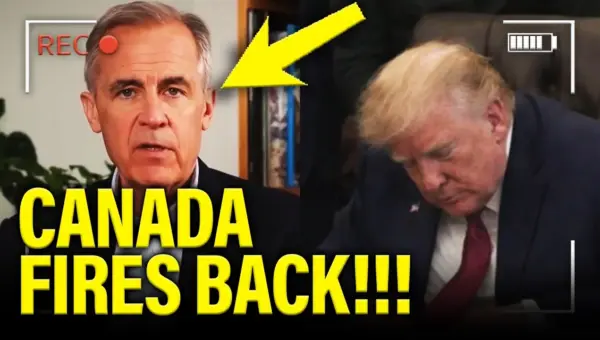
Canada Charts Its Own Course Amid Global Uncertainty
Canadian Prime Minister Mark Carney delivered a powerful address emphasizing national sovereignty and self-reliance. He drew historical parallels to assert Canada's independence and signaled a strategic shift away from over-reliance on the United States. The speech highlighted Canadian resilience and a commitment to building a stronger nation amidst global uncertainty.