Iran’s Leaders Play ‘Dance of Cobras’ Amidst Power Void
Iran's leadership is engaged in a dangerous internal power struggle, likened to a 'dance of cobras' around an empty chair. This division fuels uncertainty and impacts international negotiations, as different factions vie for control.

Iran’s Leaders Play ‘Dance of Cobras’ Amidst Power Void
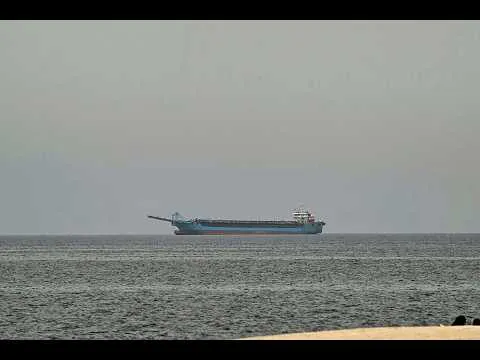
Iran’s recent actions regarding the Strait of Hormuz suggest a deep division within its leadership, creating a confusing situation for international observers. Initially, Iranian officials seemed to signal a reopening of the vital waterway. However, this was quickly followed by a reversal, leading to increased tensions over the weekend.
This apparent flip-flop wasn’t a simple misunderstanding. The initial statement included caveats, such as traffic needing to use approved lanes by the Iranian ports authority.
This meant Iran was still trying to control access and potentially charge fees, even while claiming the strait was open. It showed a clear attempt to assert authority over these crucial international waters.
Internal Power Struggles Fuel Uncertainty
The situation highlights a key dynamic within the Iranian government: a struggle between different factions. Some officials may appear to be seeking a deal or acting in a less extreme manner. These individuals might be trying to keep negotiations going, possibly for personal gain or simply to survive political changes.
However, the real power appears to rest with a core group within the Islamic Revolutionary Guard Corps (IRGC). Figures like Vahidi, Razi, and Zulkafar reportedly have no intention of truly opening the strait. This internal conflict means that any outward appearance of compromise can be quickly pulled back by these hardline elements.
The ‘Dance of Cobras’ Analogy Explained
This internal division has been compared to a “dance of cobras” around an empty chair. The analogy suggests that the Iranian government is not a unified entity. Instead, it’s like a collection of powerful figures, akin to mafia dons, each vying for control and measuring each other up.
The “empty chair” represents the center of power, which seems to be vacant or at least weakened. This could be due to the health or political standing of a top leader. In such a situation, no single leader wants to make a bold move to seize control, fearing it would make them a target for the others.
This fear leads each faction to adopt a more extreme or maximalist position. They are hesitant to appear weak or to be the first to step forward, as that could invite an attack from rivals. It’s a dangerous standoff where any misstep could lead to the collapse of the entire system.
Impact on International Negotiations
This internal power struggle directly affects international negotiations, such as those potentially taking place in Pakistan. If Iranian representatives do show up, their actions will be scrutinized through the lens of this internal competition.
Any perceived move towards compromise by one faction could be seen as a bid for power. This would likely provoke a strong backlash from other hardline groups, who would see it as an opportunity to consolidate their own positions. Therefore, negotiators might stick to firm stances to avoid becoming a target.
The Northern Front: A Separate Battleground
The situation on Israel’s northern border with Lebanon adds another layer of complexity. A recent truce between Lebanon and Israel, which seemed unlikely, has been viewed by some as a concession made to Iran.
The Lebanese government itself is too weak to control militant groups like Hezbollah, which acts as an extension of Iran. This leaves Israel in a difficult position, as the threat from Hezbollah makes northern Israel largely uninhabitable.
Ultimately, the responsibility for dealing with Hezbollah may fall to the Israeli army. The ceasefire could be seen as a signal to Lebanon to assert its national sovereignty or face direct intervention from Israel. The continued presence of Hezbollah on Israel’s border poses an unacceptable security risk.
Why This Matters
The internal divisions and power struggles within Iran create significant global instability. The uncertainty surrounding Iran’s leadership and its intentions makes diplomatic solutions more challenging. This dynamic directly impacts regional security, particularly concerning the Strait of Hormuz and the border with Israel.
Looking Ahead
The internal “dance of cobras” in Iran suggests a period of continued unpredictability. International actors will need to carefully navigate these internal power dynamics when engaging with Tehran. The situation on Israel’s northern border also remains a critical point of concern, with potential for further escalation.
The Israeli government faces a tough decision regarding Hezbollah, as the current threat makes parts of northern Israel unlivable. The coming weeks will likely reveal more about how these internal Iranian power plays and regional tensions will unfold.
Source: Iran's Power Vacuum Akin to 'Dance of the Cobras', Says Middle East Analyst (YouTube)

Related Articles

China-Iran Ship Deal Threatens Peace Talks, Experts Warn
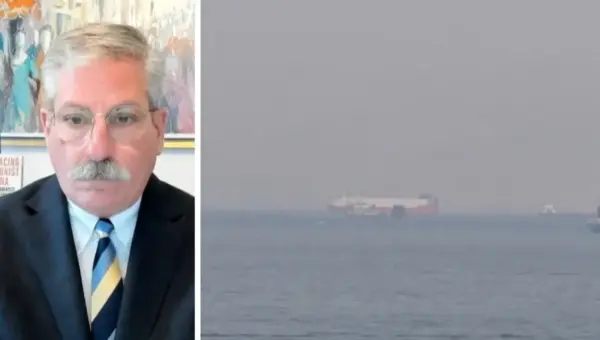
Iran's recent actions near the Strait of Hormuz, including firing on tankers and boarding a ship with potential Chinese military links, threaten ongoing peace talks. Experts warn this could derail negotiations and escalate regional tensions.
Netanyahu Declares War on Iran Far From Over
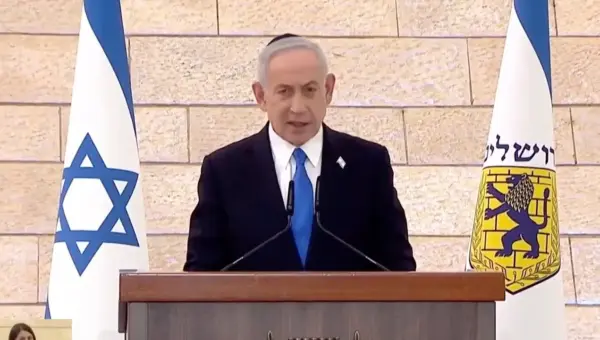
Israeli Prime Minister Benjamin Netanyahu declared that the conflict with Iran is far from over, emphasizing Israel's military strength and its role in defending Western civilization. This statement comes as a ceasefire is set to expire, amid ongoing tensions and economic impacts like surging oil prices.

Pakistan Courts US Ties Amidst Iran Talks
Pakistan's Interior Minister met with U.S. Chargé d'Affaires Natalie Baker, discussing strengthened ties and preparations for upcoming U.S.-Iran talks in Islamabad. Baker praised Pakistan's role in easing regional tensions, highlighting the nation's growing diplomatic importance.