Iran’s Peace Talks Hinge on Internal Power Struggles
New peace talks between the U.S. and Iran face deep skepticism due to Iran's internal divisions. Retired Lt. Col. Darren Gob questions if any signed agreement will be honored by hardline factions. He believes U.S. objectives in limiting Iran's nuclear program and global influence have largely been met.

Iran’s Peace Talks Hinge on Internal Power Struggles
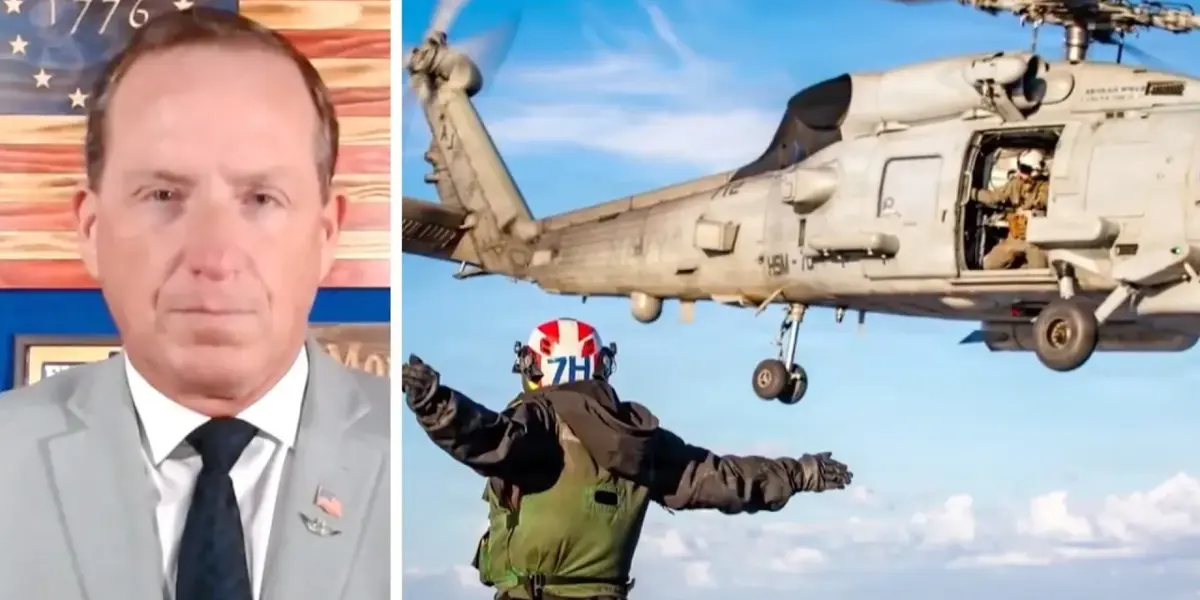
New peace negotiations between the United States and Iran are underway, but a retired U.S. Army Lieutenant Colonel, Darren Gob, expresses deep skepticism about their success. He questions Iran’s true willingness to commit to a meaningful agreement. This doubt stems from Iran’s historical dealings and, more importantly, the unclear leadership structure within the country.
Gob highlights the internal divisions, particularly between the Islamic Revolutionary Guard Corps (IRGC) and the foreign ministry. These groups seem to be competing for power and influence.
This internal struggle makes it difficult to know who truly has the authority to sign an agreement that all factions within Iran would respect and follow. The potential for these factions to go their own way remains a significant concern.
President Trump has stated that Iran is losing about $500 million daily due to U.S. sanctions. He has also issued a warning: if Iran does not accept the proposed deal, there will be no more leniency. This tough stance sets a clear condition for the ongoing talks.
A Moderate Tone, But Will It Be Heard?
Iran’s president has recently spoken about the need to end conflict with the United States, stating that continuing the fight benefits no one. This sounds like a more moderate approach. However, the critical question remains whether this moderate voice can influence the more radical elements within Iran.
Gob points to groups like the Basij and the Quds Force, noting that the Quds Force is particularly radical. Even if a moderate leader signs an agreement, these hardline factions might choose to ignore it.
This internal resistance could derail any progress made at the negotiation table. The nation appears fractured, with hardliners, moderates, and ordinary citizens who likely desire peace.
The Nuclear Question: Power, Not Just Power
A major point of discussion is Iran’s nuclear program. Gob believes Iran’s insistence on enriching uranium to very high levels, far beyond what is needed for energy, shows a desire for regional power status. He dismisses the claim that the program is solely for energy, especially for a nation rich in oil reserves.
This ambition to be a regional power, capable of threatening nations like Israel, seems to be a driving force behind their nuclear pursuits. It is a bargaining chip in negotiations, a way to assert influence on the global stage. The pursuit of nuclear capability is seen as a tool for dominance, not just for domestic energy needs.
Why Not Agree to Buy Time?
Given the severe daily financial losses and the threat of critical infrastructure destruction, one might wonder why Iran doesn’t simply agree to the U.S. terms, even if just to gain time. Gob suggests that the hardliners within Iran would never agree to concessions with the U.S. and Israel, whom they view as enemies. For these radical elements, accepting a deal could be seen as a surrender.
This perspective highlights a deeply ingrained ideological opposition. The idea of capitulating to the West is unacceptable to many, who hold a strong conviction to resist what they perceive as foreign influence. For them, a peace deal might represent a loss of identity or a betrayal of their principles, making surrender a fate worse than death.
Have U.S. Objectives Been Met?
Gob believes that key U.S. objectives have largely been achieved, even if a final peace deal isn’t reached. He suggests that preventing Iran from acquiring nuclear weapons has been successful. The U.S. could even maintain a deterrent by threatening to destroy any attempts by Iran to access enriched uranium.
Actions taken by the U.S. and Israel appear to have weakened Iran’s ability to project power and influence abroad. This includes impacting their proxy networks in places like Venezuela and Cuba. The disruption of funding streams and support for these networks has significantly rolled back Iran’s global reach.
Economic and Diplomatic Setbacks
Economically, the $500 million daily loss is a massive burden for Iran’s oil-dependent economy. Diplomatically, Iran has also alienated potential allies in the Gulf States. These combined factors mean that Iran is significantly set back, both militarily and economically.
Gob concludes that it would take Iran years to recover to its previous level of influence and capability. The current conditions, coupled with the setbacks they have endured, make a rapid resurgence unlikely. The objectives of limiting Iran’s nuclear ambitions and curbing its regional influence seem to have been substantially met.
The next steps in the negotiations remain uncertain, heavily dependent on Iran’s internal political dynamics and the willingness of all its factions to adhere to any potential agreement.
Source: Iran Negotiations Jeopardized by Lack of Clear Leadership in Iran: Ret. Lt. Col (YouTube)

Related Articles

Netanyahu Declares War on Iran Far From Over
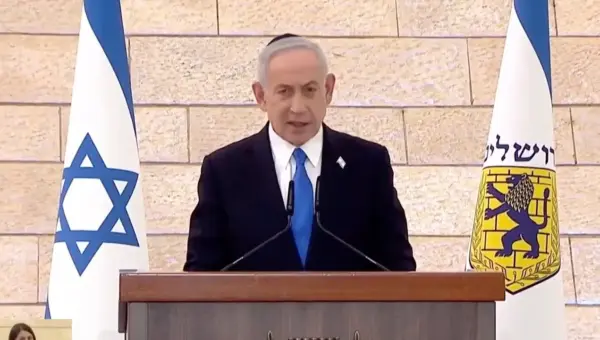
Israeli Prime Minister Benjamin Netanyahu declared that the conflict with Iran is far from over, emphasizing Israel's military strength and its role in defending Western civilization. This statement comes as a ceasefire is set to expire, amid ongoing tensions and economic impacts like surging oil prices.

Canada Steps Up as US Falters on Global Stage
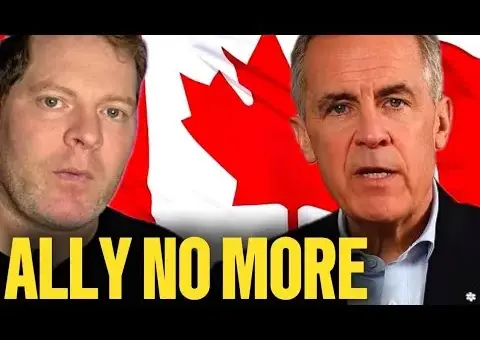
Canada is stepping up as a global leader, forging new trade partnerships and strengthening its economy under Mark Carney's guidance. This strategic pivot aims to protect citizens from global instability, contrasting sharply with the U.S.'s shifting policies and internal economic struggles. Canada's focus on social programs and national investment signals a new era of independent strength.


Iran Nuclear Deal Fuels National Debate on Security
A significant national debate is emerging over the risks posed by Iran's nuclear program and its government's actions. Concerns are raised about trusting Iran, given its history of hostility and its stated goals. The potential for Iran to acquire weapons capable of destroying cities is a central point of contention.