US Troops Train Near China’s Waters, Raising Tensions
Thousands of US and Philippine troops are conducting major combat drills near the disputed South China Sea and Taiwan Strait. China opposes the exercises, calling them containment efforts, while the US and Philippines say they are defensive. The drills highlight growing regional tensions.

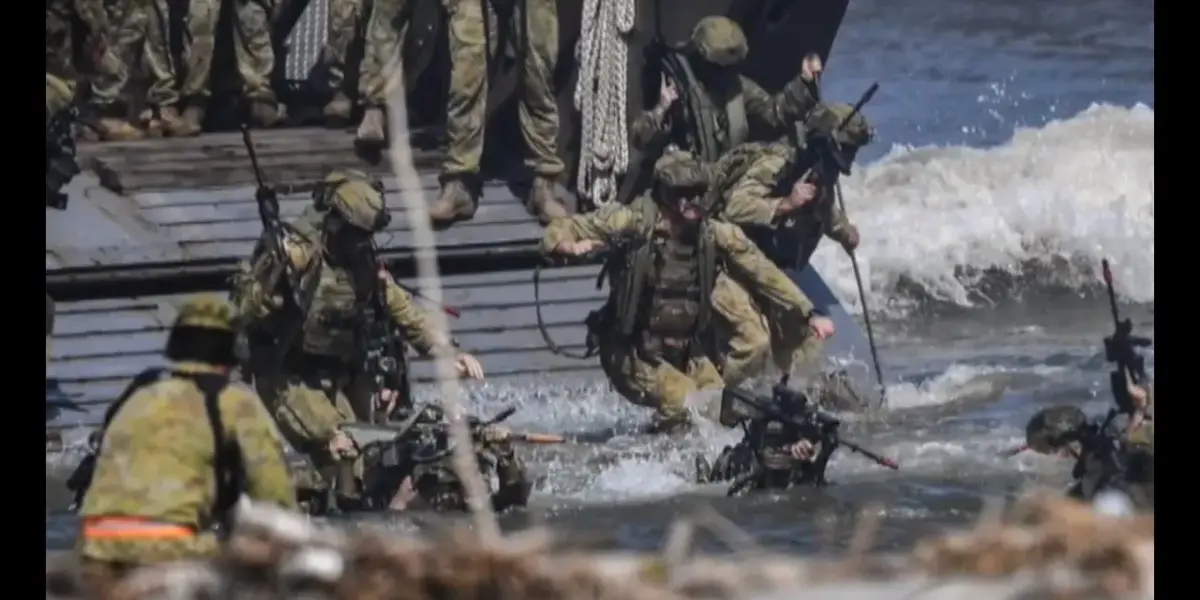
US Forces Train Near China’s Waters, Raising Tensions
Thousands of American and Philippine soldiers are conducting major combat drills in the Philippines. These exercises are happening close to the South China Sea and the Taiwan Strait, areas of growing global concern. The drills involve nearly 10,000 US troops, showing America’s dedication to the Indo-Pacific region.
US officials state that America’s focus on the Indo-Pacific and its strong promise to the Philippines have not changed. This commitment includes almost three weeks of live firing drills and practice combat scenarios. The exercises are meant to show Washington’s steady support for the region.
China has voiced strong objections to these drills. Beijing claims the exercises are designed to limit China’s growing influence.
However, officials from Manila and Washington insist that the drills are defensive in nature. They are focused on improving readiness and responding to natural disasters.
The Philippine military explained that the exercises aim to create a stronger defense and promote stability. This is important given the current tensions and competing claims over territory in the region. These drills are a clear signal of intent from the involved nations.
Adding to the regional unease, Taiwan reported that a Chinese aircraft carrier passed through the Taiwan Strait. Taiwanese forces monitored the carrier’s movement closely during its journey. This event highlights the ongoing military activity and potential flashpoints in the area.
Why This Matters
These large-scale military exercises are happening at a critical time. They signal a clear message about alliances and intentions in a strategically vital part of the world. The drills directly involve nations with differing views on regional security and influence.
The exercises highlight the complex geopolitical situation in the Indo-Pacific. The United States is actively strengthening its military partnerships in the region. This is seen as a way to maintain balance and deter potential aggression.
Historical Context and Background
The United States has a long history of military cooperation with the Philippines. This relationship has been important for regional security for decades. The South China Sea has been a site of territorial disputes for many years, involving several countries.
The Taiwan Strait is another area of high tension. China views Taiwan as a breakaway province that must be reunited with the mainland. The US, while not formally recognizing Taiwan as an independent nation, maintains strong unofficial ties and provides defensive support.
Implications, Trends, and Future Outlook
The increased military activity suggests a trend towards more assertive defense postures by regional powers. This can lead to a delicate balance of power, where miscalculation could have serious consequences. The drills themselves are a show of force designed to prevent conflict.
Future outlook in the Indo-Pacific will likely involve continued military posturing and diplomatic maneuvering. All parties will be closely watching each other’s actions. The goal for many nations is to ensure peace and stability through strength and cooperation.
The next significant event to monitor will be any official statements or further military movements from China following these drills. The focus remains on maintaining open communication channels to avoid misunderstandings.
Source: US Forces Launch Combat Drills in Philippines (YouTube)

Related Articles

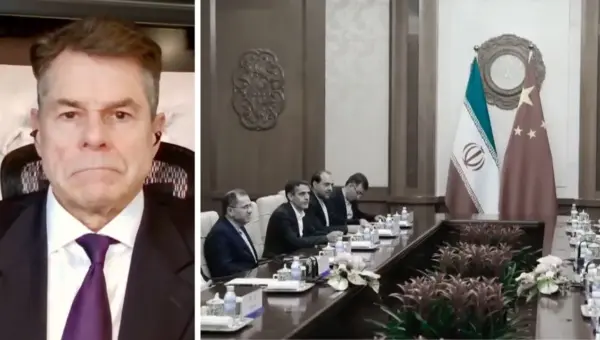
China Uses Iran as Puppet in Strait of Hormuz ‘Shell Game’
China is allegedly directing Iran's actions in the Strait of Hormuz, creating an energy crisis that chokes Chinese oil imports while China publicly calls for open passage. Experts describe this as a 'shell game,' where China plays both sides to appear as a peacemaker while advancing its own global ambitions and weakening the West through 'unrestricted warfare'.
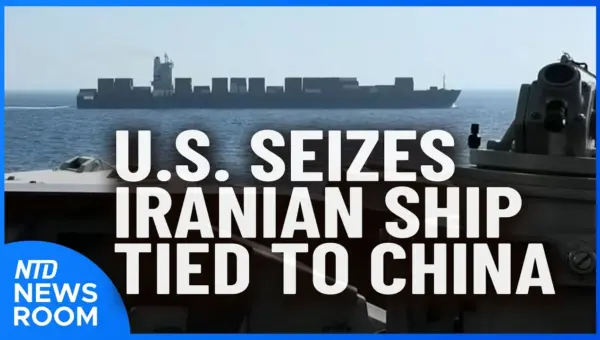
US Seizes Iran Ship, Signals Tough Stance on Tehran
The US has seized an Iranian ship tied to China, signaling a tough stance on Tehran. This action, coupled with a naval blockade, aims to curb Iran's regional influence and nuclear ambitions. China's complex role and global ambitions remain a key factor in the ongoing geopolitical struggle.

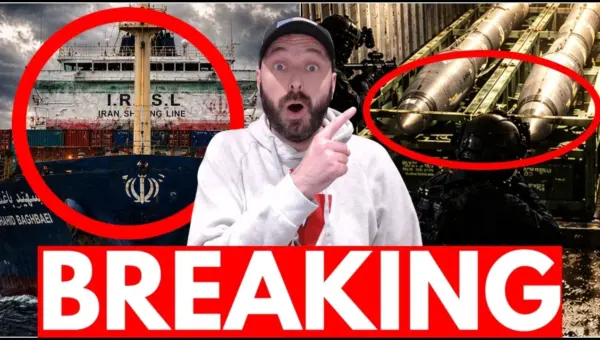
US Seizes Iran Ship, Uncovers Secret Chinese Cargo
The US has seized an Iranian tanker, suspecting it carried secret Chinese cargo for military use. This action occurs alongside increased US military deployments and conflicting reports on Iran-US negotiations. The situation remains tense, with a naval blockade impacting regional trade.