Iran Strait Blockade Risks Global Confidence, General Warns
Retired Army General David Petraeus warns that Iran's actions in the Strait of Hormuz could cripple global shipping confidence. U.S. forces are working to clear mines, but restoring trust among energy companies is paramount. The situation highlights the complex challenges of maritime security and international diplomacy.

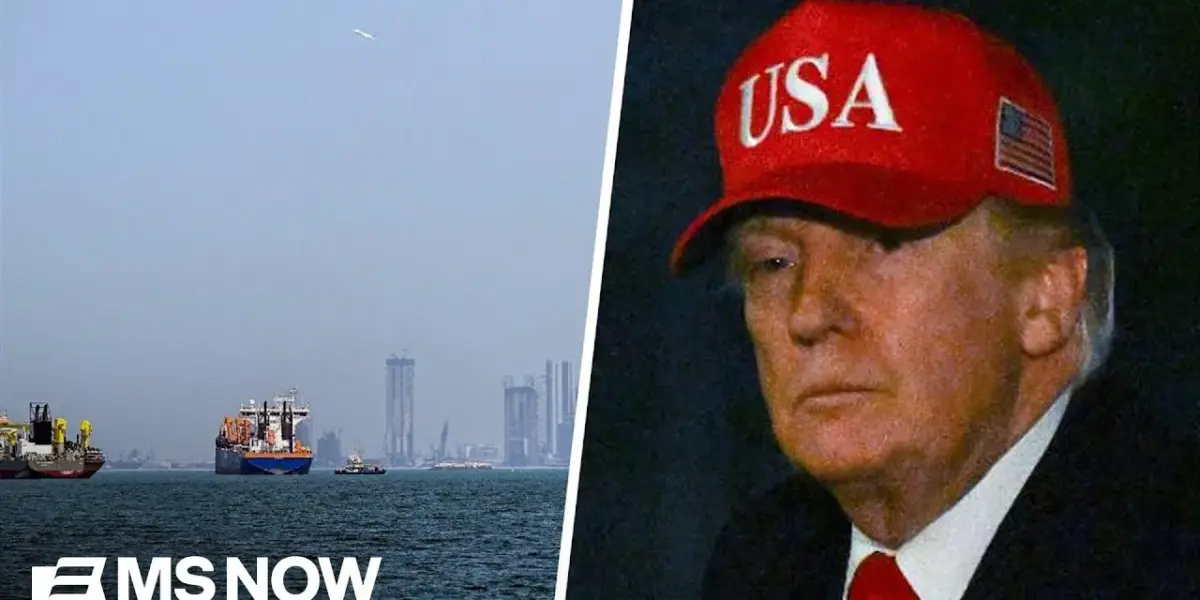
Strait of Hormuz Blockade Undermines Global Shipping Confidence
A potential blockade or disruption of the Strait of Hormuz, a vital global oil shipping route, could significantly damage international confidence in maritime trade, according to retired Army General David Petraeus. Speaking on a recent broadcast, Petraeus highlighted that Iran’s actions, such as mining the waterway, directly threaten the security and reliability of shipping, impacting not just nations involved in direct conflict but also global energy markets.
Iran’s Strategic Position and the Strait’s Importance
Petraeus explained that Iran could strategically strengthen its position if it maintains control over the Strait of Hormuz. This narrow waterway is crucial, allowing a significant portion of the world’s oil to pass through daily. If Iran can successfully disrupt traffic, it gains considerable leverage. “Geography is destiny,” Petraeus stated, echoing a sentiment that the strait’s location makes it a powerful tool for Iran.
U.S. Actions and Clearing the Strait
The United States is actively working to prevent Iran from controlling the strait. Current U.S. efforts involve clearing mines that Iran has reportedly placed in the normal shipping lanes. This operation aims to reopen the strait for safe passage. Petraeus suggested that such actions, including potentially escorting ships not destined for Iranian ports, are necessary but challenging.
“What we’re doing right now is not just a blockade, it is also clearing the Strait of Hormuz.”
Confidence Over Insurance in Maritime Security
The key challenge, Petraeus emphasized, is restoring confidence among shipping companies and their crews. He noted that even with robust insurance, energy leaders he spoke with would not send their crews into harm’s way if the passage felt insecure. Iran can undermine this confidence with relatively small actions, such as deploying drones or anti-ship missiles.
Historical Precedents and Coalition Support
Petraeus drew parallels to the “tanker wars” of the mid-1980s, where similar disruptions occurred. He believes that while the U.S. has experience in managing such situations, it would be beneficial to have a coalition of willing nations assist. He specifically mentioned the potential for Gulf states and the United Kingdom, with their capable militaries and experience, to contribute to clearing operations and escorts.
Allies’ Hesitation and U.K.’s Role
Despite the call for a coalition, Petraeus observed that key allies have shown hesitation. The United Kingdom, for instance, stated it would not join a U.S. blockade of Iran. Prime Minister Keir Starmer clarified that the U.K. would not participate in blocking Iranian ports. However, the U.K. has sent planners to U.S. Central Command, suggesting potential involvement in safety operations like clearing the strait and escorting tankers.
China’s Past Cooperation and Broader Economic Impact
Reflecting on past operations, Petraeus recalled China’s participation in counter-piracy efforts when he commanded U.S. Central Command. While not part of a formal coalition, China cooperated and gained valuable experience. The disruption of the Strait of Hormuz has far-reaching economic consequences, affecting not only oil and LNG prices but also derivatives like aviation fuel, fertilizers, and helium essential for chip manufacturing.
Long-Term Control and Negotiation Challenges
Ensuring long-term control of the strait or preventing Iran from using it as leverage presents a significant challenge. Petraeus suggested that the U.S. might need a sustained presence. The path forward likely depends on ongoing negotiations, with potential U.S. flexibility on uranium enrichment. However, he stressed that Iran would need to abandon its “red lines” for any agreement to be viable.
Securing Passage: A Difficult but Potentially Necessary Mission
If escorting ships becomes necessary, it would require substantial military assets, including aircraft carrier task forces, destroyers, and unmanned systems. Petraeus acknowledged the difficulty, recalling that the first escorted ship during the tanker wars struck a mine. Nevertheless, he believes such a mission might prove doable and necessary to lower oil prices while broader diplomatic issues are resolved.
Looking Ahead: Diplomacy and Maritime Security
The situation in the Strait of Hormuz remains a critical point of tension. Future developments will likely hinge on the success of diplomatic efforts to de-escalate tensions and the ability of international forces to ensure the safe passage of vessels. The coming weeks will be crucial in determining whether confidence in maritime trade can be restored and if a lasting agreement can be reached.
Source: Blockade 'undermines confidence' of ships going through Strait of Hormuz: Ret. Army General (YouTube)

Related Articles


Oil Prices Surge to $91 Amid Geopolitical Tensions
Oil prices have surged to $91 a barrel, driven by disruptions in the Strait of Hormuz. This is leading to higher gas prices across the U.S., with California facing particularly steep costs. The situation is fueling debate on energy policy, exports, and the transition to renewable fuels.

China’s Iran Gambit: Deception or a New World Order?
President Trump claims China will stop sending weapons to Iran, but deep skepticism remains due to China's past support and use of spy satellites to aid Iran. This move could be a strategic ploy to weaken the US military.
China Aids Iran Amid US Conflict Escalation
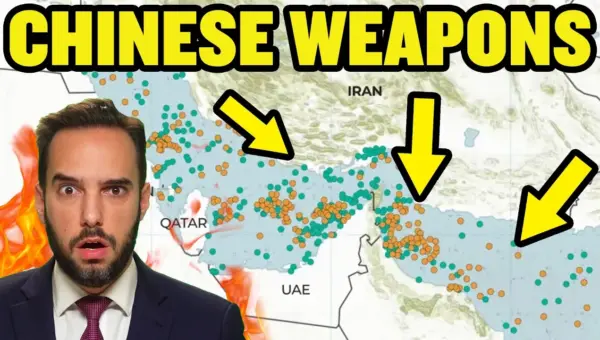
Recent intelligence suggests China is secretly supplying Iran with weapons like MANPADS and sharing critical intelligence, a significant escalation from its previous stance. This move, if confirmed, could deepen regional conflict and lead to severe US economic retaliation, while highlighting long-standing strategic ties between Beijing and Tehran.