Iran Faces War Risk Amidst Trump Blockade Confusion
The UK has refused to back a U.S. naval blockade of Iran, prioritizing the opening of the Strait of Hormuz. Experts question the logic and potential escalation of President Trump's strategy, especially concerning international relations with China. Concerns also rise over Iran's potential for miscalculation and the lack of a clear U.S. plan.

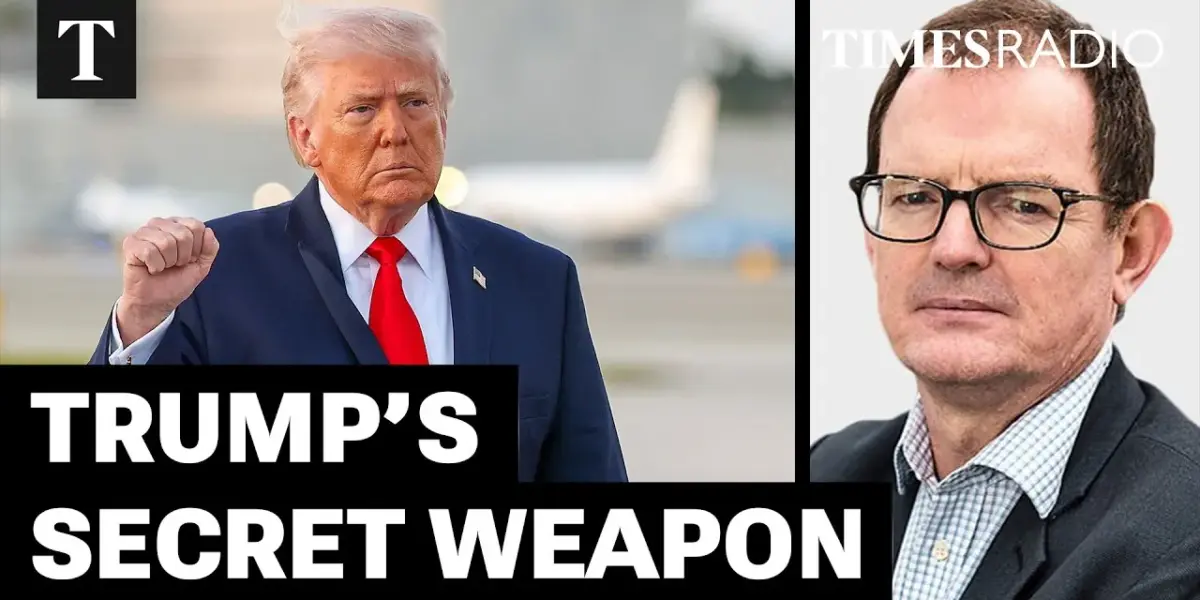
UK Rejects Blockade Role, Focuses on Strait Opening
The United States has initiated an effective blockade of Iran, with President Trump stating any Iranian ships approaching would be “immediately eliminated.” However, the United Kingdom has declared it will not participate in enforcing this blockade. British Prime Minister stated, “We’re not supporting the blockade.” The UK’s focus, he clarified, is on ensuring the Strait of Hormuz remains open. “We do have mind sweeping capability,” he added, “but that’s all focused from our point of view on getting the straits fully open.” The Prime Minister emphasized that his decisions are anchored in British national interest, and the UK will not be drawn into a war.
“The UK is not getting dragged in. That’s not in our national interest because I’m not going to act unless there’s a clear lawful basis and a clear thought through plan,” he asserted.
Blockade Logic and Escalation Concerns
Richard Spencer, The Times’ foreign correspondent in Israel, noted that while a blockade is a common military tactic in wartime, the specifics of Trump’s plan raise significant questions. “There is a sort of logic obviously if you are at war with a country and you have the naval power to do so, blockading that country is a common enough military tactic,” Spencer explained. However, he questioned how the U.S. would handle situations like a Chinese oil tanker carrying Iranian oil.
“Do you try and interdict that?” he asked. “And then you have a Chinese oil tanker or an oil tanker containing oil for China, and that’s obviously an escalation in terms of the relationship with China.” Spencer highlighted that the U.S. Navy could likely manage a blockade, but the potential consequences for international relations, particularly with China, remain unclear.
China’s Role and Pressure on Iran
Spencer also discussed China’s position, noting that Beijing does not want this confrontation to continue, as it harms the global economy. “China certainly is issuing ever more urgent daily appeals for the ceasefire to be respected for there to be a political way out of this,” he said. China wants to avoid a confrontation with America.
The implications of the U.S. Seizing a Chinese oil tanker are largely unexplored territory. Other Gulf states are also applying pressure on Iran, urging them to avoid a full-scale war. Despite these pressures, Spencer pointed out that Iran has a history of resisting concessions.
Risk of Iranian Miscalculation
A significant danger, according to Spencer, lies in the potential for Iran to miscalculate. “They will look at the unpopularity of the war, they will look at the opposition to Trump making hay of the fact that it doesn’t seem to have gone well for Trump,” he observed. Authoritarian states, unlike democracies, might interpret domestic opposition as a sign of weakness.
“So there is a danger that Iran will just say, ‘We’re going to carry on making no concessions because we think we’re winning,'” Spencer warned. He stressed that Trump’s unpredictability could embolden Iran if they believe he will eventually back down.
Former Ambassador: Lack of a Clear Plan
Jeffrey Feltman, former U.S. Ambassador to Lebanon and former Assistant Secretary of State for Near Eastern Affairs, expressed concern over the apparent lack of a coherent strategy. “I think the bottom line is that he doesn’t have a plan. I think he’s making it up as he goes along,” Feltman stated.
He contrasted this with Iran’s strategy: “The Iranians do have a plan, which is to outlast us.” Feltman suggested that Iran, despite being outmatched militarily, believes its political endurance will outlast America’s. He also pointed to potential Iranian responses, such as Houthi attacks on Red Sea routes or attacks on Saudi Arabia’s East-West pipeline, indicating Iran is not powerless.
Revisiting the Nuclear Deal Dilemma
Feltman criticized the Trump administration’s approach to Iran’s nuclear program, suggesting the president had discarded a workable plan negotiated during the Obama presidency. He highlighted the diplomatic challenge of reconciling Iran’s insistence on enrichment rights under the Non-Proliferation Treaty with the U.S. Demand for zero enrichment. “I would like to see some flexibility on the American position so that you could go back to some sort of highly regulated, highly observed civilian nuclear program,” Feltman proposed.
He believes an improved version of the JCPOA, allowing low-level enrichment under strict international scrutiny, is the path forward. He warned that current hardline Israeli advice to Trump, demanding zero enrichment, exacerbates the dilemma.
Call for Extended Ceasefire and Negotiations
Feltman advocated for extending the current ceasefire and continuing serious negotiations. He argued that this approach would shift global public opinion, which he expects to be anti-American given the perceived war of choice. “It reverses the pressure,” he explained.
This would allow the world to see Iran, not the U.S., as the obstacle to freedom of navigation. Feltman also raised concerns about the new leadership in Iran being less risk-averse than the previous regime, potentially increasing the urgency to pursue nuclear weapons after the death of Supreme Leader Ali Khamenei, who had issued a fatwa against nuclear weapons.
Source: Iran Risks A Dangerous Miscalculation On Trump | Richard Spencer (YouTube)

Related Articles
Gas Prices May Hit $3 by Labor Day
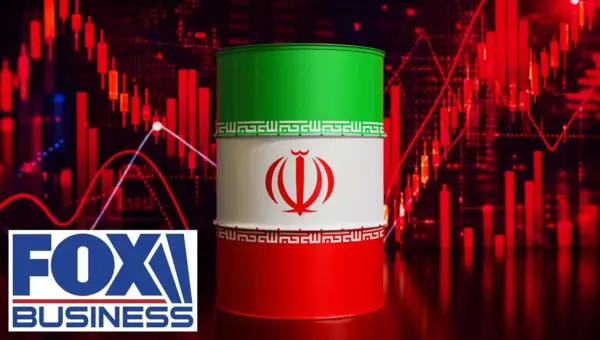
Scott Bessent predicts gas prices could fall to $3 per gallon by Labor Day, between June 20th and September 20th. However, supply chain disruptions, particularly in the Strait of Hormuz, present significant challenges. Mike Summers of the Petroleum Institute cautions that peak summer demand could keep prices higher, especially around the Fourth of July.
Israel-Lebanon Ceasefire: A Win for Iran and Hezbollah?
A ceasefire between Lebanon and Israel is set to take effect tonight, following direct talks between their leaders. This development is being viewed by some as a strategic win for Iran and Hezbollah, who may emerge from the conflict with their military capabilities intact. The agreement's success and long-term implications remain uncertain.
Iran Nuclear Talks Collapse: Blockade Looms, Prices Soar
U.S.-Iran nuclear talks have failed, leading President Trump to announce a naval blockade of the Strait of Hormuz. The breakdown centers on Iran's commitment to nuclear non-proliferation. This action is expected to cause significant increases in global fuel and air travel prices.