Trump’s Iran Policy Lacks Clarity Amid Escalating Regional Conflict
The U.S. faces a complex and escalating conflict with Iran, marked by shifting presidential objectives and a lack of clear communication. Experts warn of "undisciplined" foreign policy and the potential for a prolonged, destabilizing regional war.

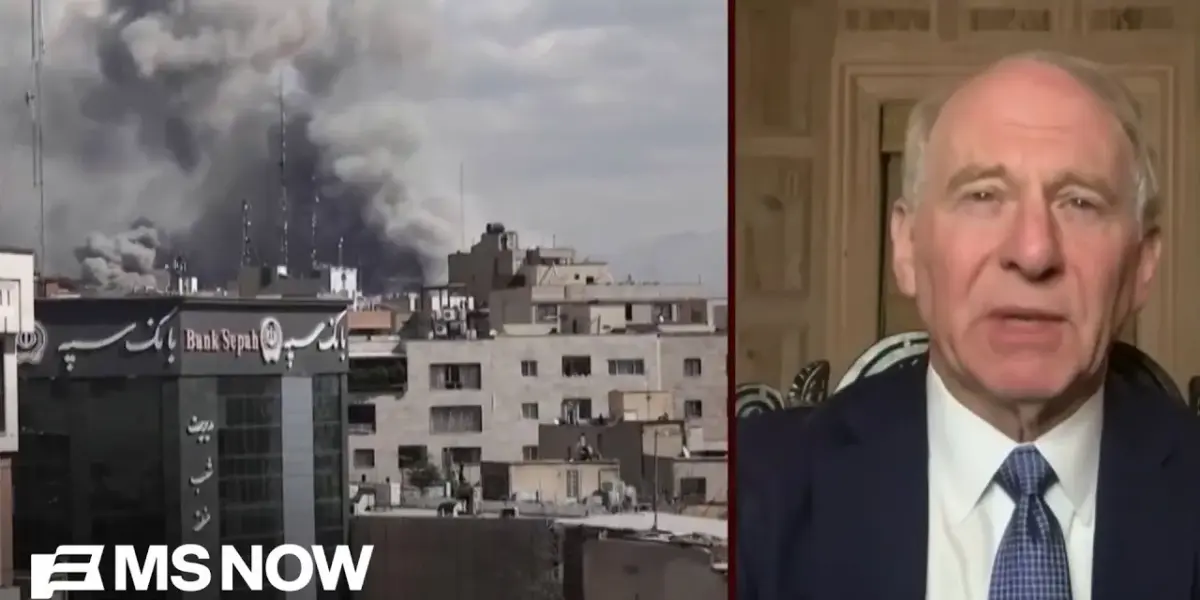
Uncertainty Grips Middle East as US Faces Iran Crisis
In a rapidly deteriorating regional situation, the United States finds itself embroiled in a conflict with Iran, marked by shifting objectives and a lack of clear communication from the Trump administration. The escalating tensions, which have seen the deaths of three U.S. service members in Kuwait and exchanges of fire between Israel and Hezbollah, have raised serious concerns about the administration’s strategy and the potential for a prolonged and destabilizing war.
Shifting Stances and Unclear Objectives
President Donald Trump’s public statements regarding U.S. objectives for potential strikes against Iran have been characterized as “all over the place,” according to foreign policy expert Richard Haass. While speaking to The Atlantic, Trump expressed openness to talks with Iran, a sentiment that appeared to contradict his administration’s actions and rhetoric. However, he did not specify with whom these talks would occur, adding to the prevailing uncertainty.
Further complicating the picture, Trump told The New York Times that an attack could last “four or five weeks,” yet failed to outline a clear plan or definition of success for such a campaign. This ambiguity has led to a “lack of discipline” in the administration’s foreign policy approach, Haass observed, making it difficult for both the American public and the international community to grasp the rationale and ultimate goals of the U.S. military engagement.
“We have yet to make the case to the country and the world as to why this war had to happen now. The president’s been all over the place as to U.S. objectives.” – Richard Haass
Military Operations vs. Strategic Goals
While military officials acknowledge the successful execution of precision strikes against Iranian targets, experts caution that tactical victories do not guarantee strategic success. The initial military objectives of Operation Epic Fury appear to have been met, with some in the White House reportedly pleased with the outcomes. However, the broader implications and the long-term viability of such operations remain in question.
“Showing precision strikes when the real question is to what end doesn’t really help us right now,” noted one analyst with extensive experience in the Middle East. “You can win every engagement, hit every target and lose the war.” The concern is that external strikes alone cannot produce desired political change and may, in fact, strengthen hardliners within Iran and create further regional chaos.
Iran’s Resilience and Regional Destabilization
Despite significant strikes, Iran’s retaliation has been widespread, impacting neighboring countries and demonstrating the regime’s capacity to respond. The Iranian leadership has unequivocally stated that it “will not negotiate with the United States,” a stance that contrasts sharply with President Trump’s conditional openness to dialogue.
The conflict has also spilled over into neighboring regions, with Israel and Hezbollah engaging in cross-border fire, shattering a year-long truce. The State Department has also issued advisories for U.S. citizens in Kuwait to shelter in place following the deaths of three American service members, marking the first U.S. fatalities in the escalating conflict.
Concerns Over Presidential Strategy and Public Support
The administration’s decision to proceed without extensive consultation with Congress or the American public raises concerns about the sustainability of public support for a potentially costly and prolonged conflict. “I don’t think he’s going to have to walk back ambitious war aims, or he’s going to lose support,” one commentator warned. “I don’t think and history suggests you cannot sustain support for a war that is costly and doesn’t seem to be on a trajectory of success.”
The comparison drawn by some to the Venezuelan situation, where a change in leadership was sought, is viewed by experts like Haass as a “profound misunderstanding of the DNA of Iran.” The complex institutionalization of Iran’s political, clerical, and ideological leadership, coupled with a vast security apparatus, suggests that a direct parallel is not only inaccurate but also “frightening.”
A War of Attrition and Resource Strain
The sheer scale of munitions used, estimated at around 2,000 strikes, highlights the potential for a war of attrition. The extensive use of expensive precision weaponry and defensive systems raises critical questions about battlefield math and the potential strain on U.S. resources. Military planners are undoubtedly assessing the risks incurred in other global hotspots as resources are diverted to the Middle East.
With Iran possessing an estimated 10,000 to 20,000 missiles, the capacity for sustained retaliation poses a significant challenge to U.S. defensive capabilities. The lack of a clear exit strategy or definition of victory leaves the conflict open-ended, with the potential to last for months, if not years.
Looking Ahead: The Path to De-escalation
As the situation continues to evolve, the focus will be on whether the Trump administration can articulate a coherent strategy with clear objectives and a defined path to de-escalation. The coming weeks will be crucial in determining whether the current trajectory leads to a contained conflict or a wider regional conflagration. The administration’s ability to build domestic and international support, coupled with a realistic assessment of Iran’s capabilities and the complexities of the region, will be paramount in navigating this critical juncture.
Source: Richard Haass: Trump has been all over the place on U.S. objectives for Iran strikes (YouTube)

Related Articles

Trump’s Blockade Fails, Allies Shun Mission: A Pattern?
A reported failure of Donald Trump's blockade of the Strait of Hormuz, with ships passing through unimpeded, raises questions about policy effectiveness. This incident, coupled with allies' reluctance to join the mission, suggests a pattern of unintended consequences and strained international relations.


Russia’s War Costs Strain Putin’s Elite Bargain
Russia's prolonged war in Ukraine is straining President Putin's grip on power. Declining oil revenues and escalating military costs are forcing internal power shifts, with intelligence services reportedly gaining influence. This financial pressure is creating significant discontent among the elite and risking broader instability within the Kremlin.


Trump’s Wild Claims Fuel GOP Chaos and Public Doubt
Donald Trump's recent erratic statements and Republican figures' defense strategies are causing political turmoil. Concerns over economic misrepresentation and the handling of the Jeffrey Epstein case are mounting, leading to a public demanding more accountability and truth.