Iranians Seek ‘Quiet Life’ Amidst Calls for Regime Change
While calls for regime change echo from abroad, many Iranians are focused on a "quiet life," hesitant to join a potentially destabilizing uprising. Former Ambassador Nicholas Hopton details the complex societal divisions and the deeply entrenched nature of the Iranian state, warning of potential chaos if the regime collapses.

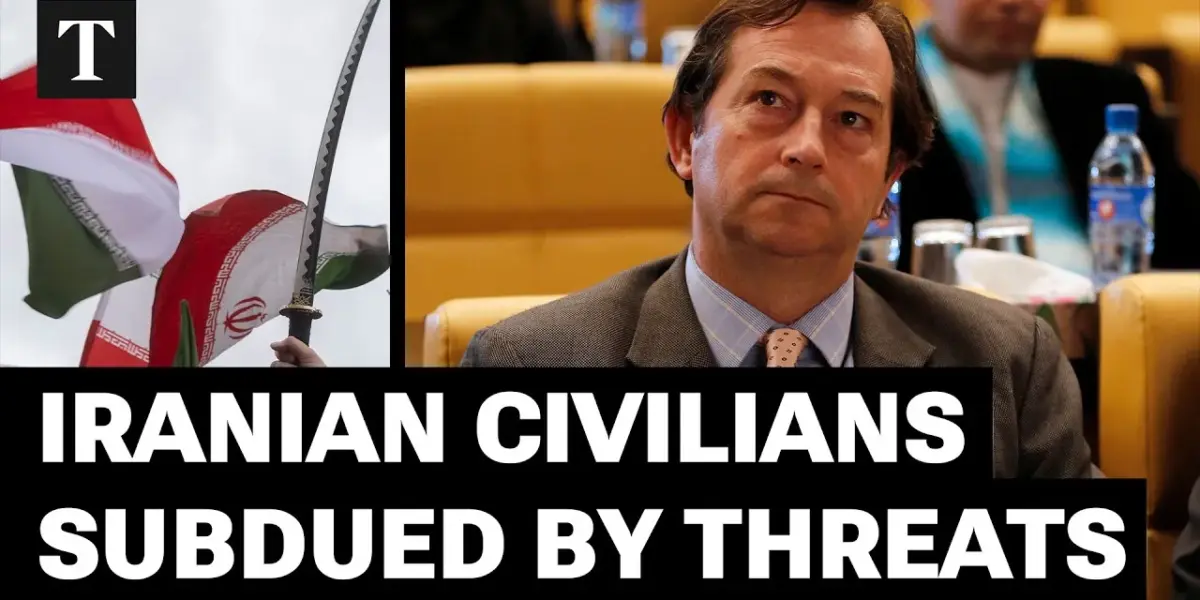
Iran’s Population Divided Amidst Calls for Overthrow
While former President Donald Trump has urged Iranians to “seize this moment” and “take back your country,” the reality on the ground in Iran is far more complex than a simple call to arms. According to Nicholas Hopton, former British Ambassador to Iran, the Iranian populace is not uniformly united in its desire for immediate revolution. Instead, a significant portion of the population prioritizes stability and a “quiet life,” remaining cautious amidst escalating geopolitical tensions.
Understanding the Spectrum of Iranian Public Opinion
Hopton explained that public sentiment in Iran exists on a spectrum. At one end are the staunch supporters of the current regime, a group he estimated to be around 20% when he served as ambassador, though likely diminished now. At the other end is a similar or larger percentage of the population actively desiring regime change and a better future for their families. However, a substantial segment in the middle remains observant, waiting to see how events unfold before committing to public action. This cautious approach is further reinforced by the stringent security apparatus, with the Islamic Revolutionary Guard Corps (IRGC) issuing warnings that any public demonstration will be met with severe consequences.
“At one end of the spectrum you have a hardcore of supporters of the regime. […] At the other end of the regime, you certainly have a similar, if not much greater percentage of people who want to see a change of regime, a better future for their families essentially and a more secure livelihood. In the middle there is almost certainly a big percentage of people who are watching which way the wind blows and they just want a quiet life.”
– Nicholas Hopton, Former British Ambassador to Iran
The Role of Ayatollah Khamenei and Systemic Stability
The recent passing of Ayatollah Khamenei, the Supreme Leader, has raised questions about the stability of the Iranian system. Hopton clarified that while Khamenei was the ultimate arbiter and set the policy direction, the Iranian system is characterized by multiple centers of power. The Supreme Leader sat atop this structure, influencing foreign policy, including Iran’s use of proxies in the region. However, his death does not automatically lead to a regime collapse. A three-man committee, including the head of the judiciary and the president, has already been tasked with selecting a successor, indicating that the core structures of the Islamic Republic remain intact.
The ‘Many-Tentacled Monster’ of the Iranian State
The deep entrenchment of the regime within Iranian society was likened by Hopton to an “octopus.” The IRGC, beyond its security functions, wields significant economic power, drawing many individuals and businesses into its orbit, either directly or indirectly. This pervasive influence makes the regime difficult to extract from the fabric of Iranian society, suggesting that any potential change would be a complex and protracted process rather than a swift transition.
Risks of Escalation and Internal Fragmentation
The current trajectory of escalating conflict is seen as highly risky. Hopton warned that if the regime were to crumble, the resulting power vacuum could lead to significant internal conflict. Marginalized ethnic and religious groups, such as those in Kurdistan and Baluchistan, as well as the Azeri and Arab populations, could see this as an opportunity for uprisings. This scenario carries a high risk of chaos and factionalism, potentially resembling the post-conflict situations in Iraq and Libya, rather than a smooth transition to a more democratic or Western-aligned government.
Broader Implications: Travel Disruption and Citizen Safety
Beyond the internal politics of Iran, the ongoing conflict in the Middle East has led to widespread travel disruption. Major international hubs, including Dubai, Abu Dhabi, and Doha, have seen flight cancellations and airspace closures. This has left hundreds of thousands of travelers stranded, prompting governments like the UK to plan for the evacuation of their citizens. Travel experts advise those affected to contact their insurers, airlines, and tour operators for assistance, emphasizing the importance of not canceling flights prematurely, which could forfeit rights to compensation and accommodation.
Source: Iranians Aren't Celebrating – They Want Regime Change And A 'Quiet Life' | Former Ambassador To Iran (YouTube)

Related Articles

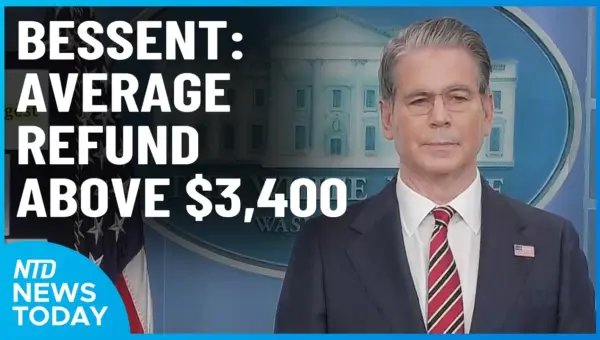
US Halts Iranian Trade: Peace Talks Loom Amidst Global Tensions
The U.S. has implemented a blockade on Iranian maritime trade, aiming to pressure the nation while simultaneously suggesting peace talks could be imminent. This move occurs alongside complex international relations, including China's involvement and ongoing regional conflicts. Domestically, the administration is highlighting significant tax refunds and economic relief measures for Americans and small businesses.

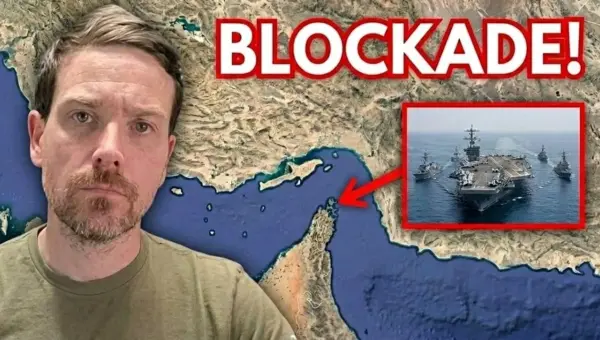
US Navy Blockade Tightens Grip on Iran’s Oil
The US Navy has imposed a strict blockade on Iranian ports, aiming to cripple the nation's oil exports and economy. With warships enforcing the closure, Iran faces significant financial pressure. The long-term effectiveness and potential for escalation remain key concerns.

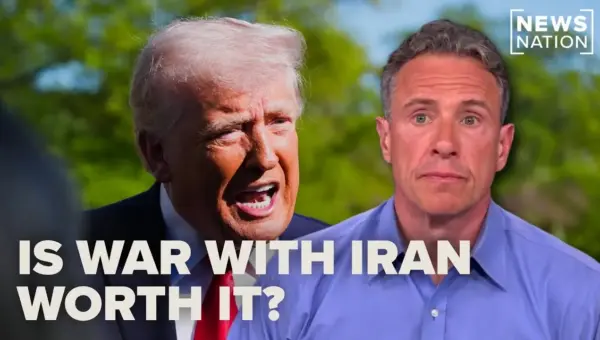
Iran War Costs Mount, Deal Prospects Dim
The war in Iran is costing the U.S. billions daily, impacting inflation and healthcare costs. While military gains are noted, concerns remain about Iran's nuclear ambitions and the lack of a clear diplomatic path. A "grand bargain" is sought, but the economic and human costs at home are rising.