US Launches ‘Epic Fury’ Operation Against Iran; Russia Criticizes
The United States has launched a major military operation against Iran, codenamed 'Epic Fury,' citing the regime's nuclear ambitions and regional aggression. The operation has triggered a state of emergency in Israel and reports of explosions in Bahrain and Qatar. Meanwhile, Russia criticizes U.S. diplomacy and demands territorial concessions in stalled Ukraine peace talks.

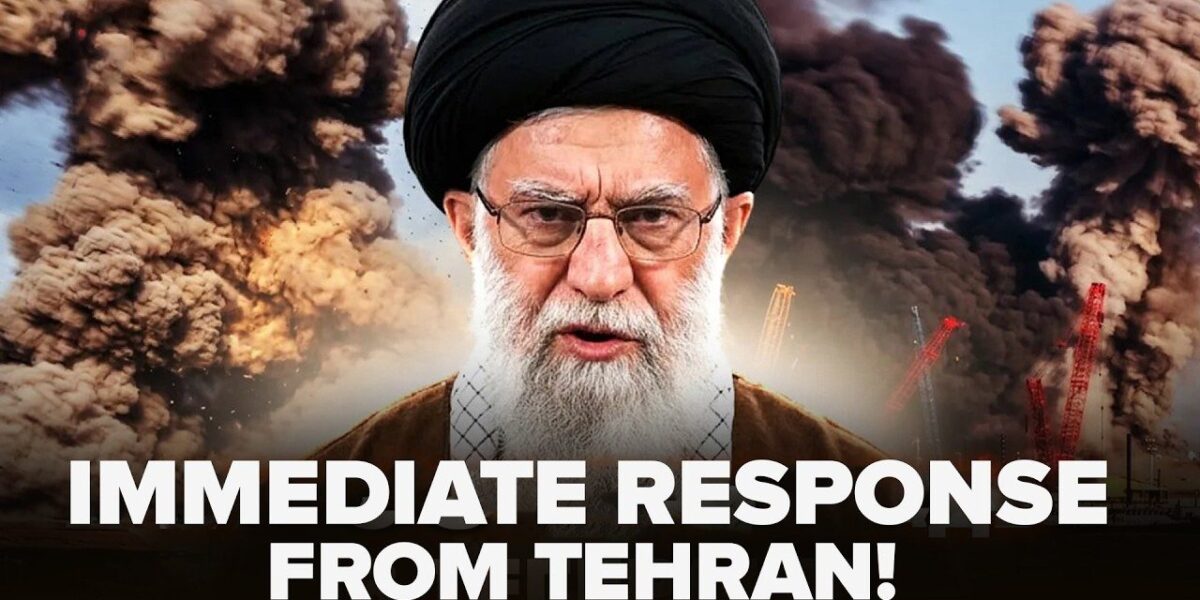
US Launches ‘Epic Fury’ Operation Against Iran; Russia Criticizes
The United States has initiated a large-scale military operation against Iran, codenamed “Epic Fury,” President Donald Trump announced in a national address. The operation aims to neutralize immediate threats posed by the Iranian regime, which the President described as a “vicious group” endangering American citizens, troops, and allies. Trump cited Iran’s alleged pursuit of nuclear weapons and its decades-long “campaign of bloodshed and mass murder” as primary justifications for the military action. This development unfolds amidst escalating global tensions, including the ongoing conflict in Ukraine and stalled peace talks.
Operation ‘Epic Fury’ and Iran’s Nuclear Ambitions
President Trump stated that the “Epic Fury” operation was prompted by Iran’s attempts to revive its nuclear program following U.S. strikes on its nuclear facilities in June. He asserted that Tehran has consistently rejected opportunities to abandon its nuclear ambitions, leaving Washington with no alternative but to act. Trump reiterated the long-standing U.S. policy that “Iran must never obtain nuclear weapons,” recalling previous U.S. military actions, such as the “Midnight Hammer” operation, which targeted nuclear sites in Fordo, Natanz, and Isfahan. The U.S. is also prepared to launch further strikes against Iran’s missile systems and industry, though the President acknowledged the possibility of American casualties. He assured that measures are in place to minimize risks to U.S. personnel in the region.
Regional Reactions and Potential Iranian Retaliation
The U.S. operation is reportedly being conducted in coordination with Israel. Iranian state media has confirmed explosions in Tehran, specifically in a district housing sensitive government compounds. Meanwhile, Israel has declared a nationwide state of emergency in anticipation of potential retaliatory strikes from Iran. Reports indicate that Iran is preparing a “large-scale response” to recent Israeli actions, with a senior Iranian source suggesting the retaliation could be significant. In neighboring countries, explosions were reported in Bahrain and Qatar, areas hosting U.S. military bases. Bahrain’s interior minister confirmed air raid sirens were activated, citing concerns of potential Iranian attacks. Local media in Bahrain reported smoke over the capital, Manama, and the U.S. Navy’s Fifth Fleet headquarters was reportedly targeted. Qatar’s Ministry of Defense announced that its air defense systems intercepted an Iranian missile, and similar incidents were reported near U.S. military bases in Abu Dhabi, United Arab Emirates. Embassies in the UAE and Jordan have instructed staff to shelter in place, and American citizens in these countries have been advised to do the same. Kuwait, along with Qatar and the UAE, has closed its airspace amid heightened tensions.
Ukraine’s Stance and Russia’s Criticism
Ukrainian President Volodymyr Zelenskyy, in an interview with Sky News, expressed support for operations targeting the Iranian regime rather than its civilian population. Ukraine’s Foreign Ministry later reaffirmed Kyiv’s position, stating support for the Iranian people’s right to security and freedom while opposing the regime’s support for Moscow in its war against Ukraine. The ministry characterized the Iranian regime as a long-standing source of regional instability and oppression. Russia, through Dmitry Medvedev, Deputy Chairman of Russia’s Security Council, sharply criticized President Trump and U.S. policy towards Iran. Medvedev accused Washington of using negotiations with Tehran as a mere “cover operation” while preparing for military action. He questioned the longevity of U.S. diplomacy compared to ancient Persian history, suggesting a long-term geopolitical struggle.
Stalled Peace Talks and Donbas Demands
Amidst the escalating international crisis, peace talks aimed at ending Russia’s war in Ukraine are also facing significant challenges. According to Bloomberg, Russian officials are reportedly questioning the efficacy of continuing negotiations under U.S. mediation. Sources suggest Moscow might withdraw from talks if Kyiv does not agree to territorial concessions. Next week is deemed critical, with Kremlin sources indicating Russia expects concrete steps from President Zelenskyy, potentially including the signing of a peace memorandum contingent on Ukrainian forces withdrawing from parts of the Donbas region. A subsequent summit involving Vladimir Putin, Donald Trump, and Volodymyr Zelenskyy could follow to formalize any agreements. Territorial issues remain the most contentious aspect of the conflict, with Kyiv firm in its refusal to cede territory. Reports suggest Russia might be prepared to withdraw troops from certain regions and renounce claims to parts of Kherson and Zaporizhzhia, but insists on maintaining its National Guard in occupied areas. The U.S. has proposed establishing a free economic zone under Ukrainian authority.
Diplomatic Efforts and Sanctions Debate
President Trump and President Zelenskyy recently held a phone call, agreeing that the next round of negotiations with Russia should aim to elevate talks to the leadership level, potentially around March 4th-5th. Trump indicated a willingness to lift some sanctions on Russia post-agreement as part of a broader peace deal to end the war in Ukraine. However, President Zelenskyy believes now is not the time to ease sanctions, arguing that economic consequences could pressure Putin to end the war. He emphasized that Ukraine’s strategy involves undermining internal unity in Russia, but noted the difficulty due to Russia’s information isolation, where news of casualties does not readily incite protests. Zelenskyy posited that a combination of military failures and a deepening economic crisis might compel Russians to question their government’s actions.
Looking Ahead
The coming days will be crucial in determining the trajectory of both the U.S.-Iran confrontation and the peace process in Ukraine. The effectiveness of “Epic Fury,” Iran’s response, and the potential for wider regional conflict remain key concerns. Simultaneously, the willingness of Russia and Ukraine to compromise on territorial issues will dictate the future of the stalled peace talks, with the possibility of a high-level summit looming. The world watches anxiously to see if de-escalation is possible or if multiple conflicts will spiral further.
Source: 😱Breaking! IRAN’S RESPONSE to the BOMBING. Moscow Lashed Out at Trump. No One Expected This (YouTube)

Related Articles

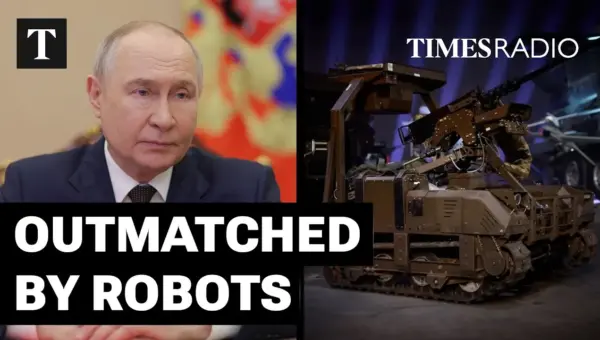
Ukraine War Robots Make Russian Tech Obsolete, Expert Says
Ukraine has achieved a historic military victory using ground robotic systems, marking a potential turning point in warfare. Defense tech expert Igor Novikov described the event as groundbreaking, highlighting the rapid evolution of conflict and Ukraine's role in pioneering its future. The conversation also touched upon concerns regarding UK defense spending and the global implications of proliferating autonomous weapon systems.

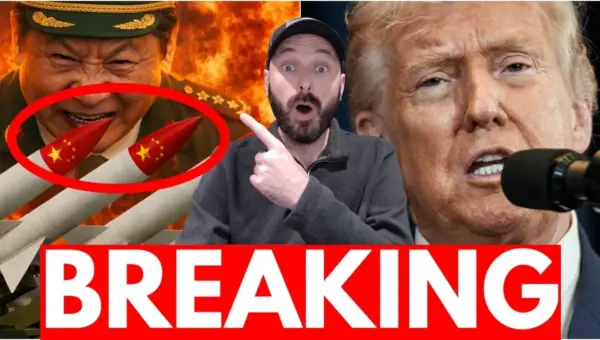
China’s Iran Gambit: Deception or a New World Order?
President Trump claims China will stop sending weapons to Iran, but deep skepticism remains due to China's past support and use of spy satellites to aid Iran. This move could be a strategic ploy to weaken the US military.
China Aids Iran Amid US Conflict Escalation
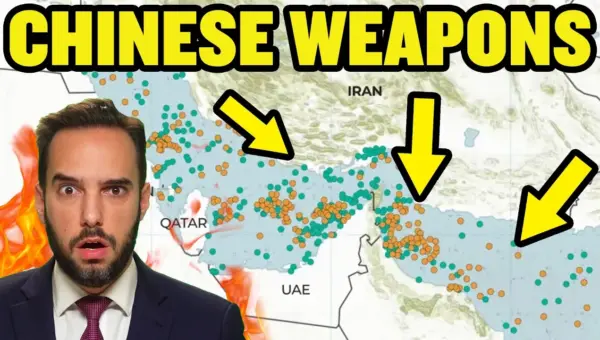
Recent intelligence suggests China is secretly supplying Iran with weapons like MANPADS and sharing critical intelligence, a significant escalation from its previous stance. This move, if confirmed, could deepen regional conflict and lead to severe US economic retaliation, while highlighting long-standing strategic ties between Beijing and Tehran.