Protesters Topple Ayatollah Monument in Southern Iran
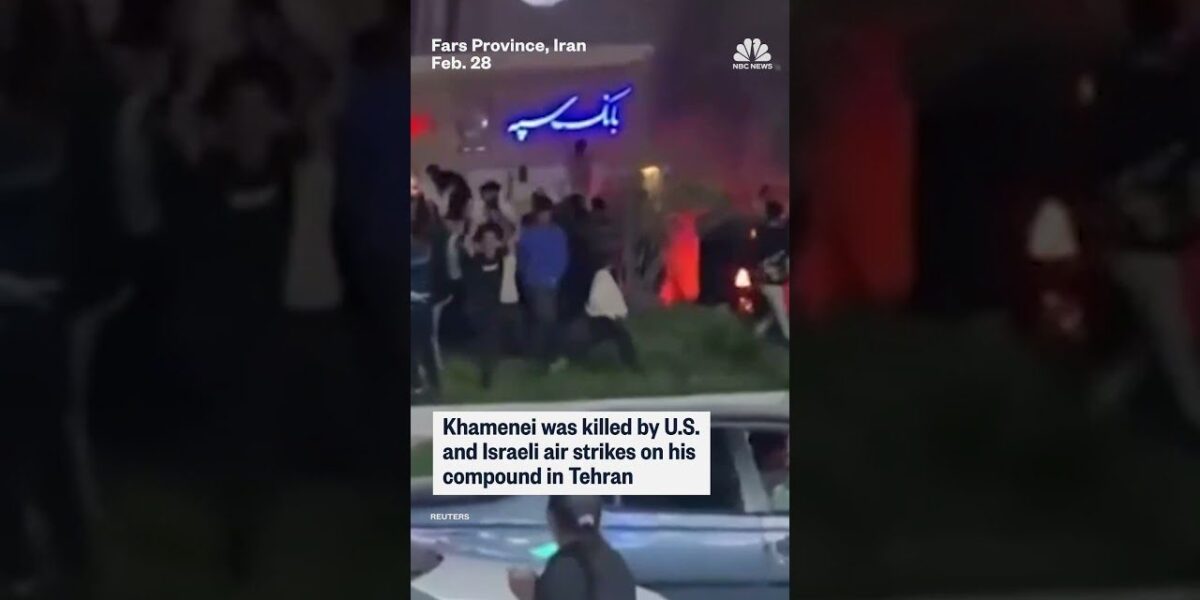
A crowd in southern Iran has toppled a monument dedicated to an Ayatollah, a significant act of defiance against the ruling religious establishment. This incident occurs amid ongoing nationwide protests fueled by economic hardship and political repression. The act symbolizes a rejection of the regime's authority and ideology.

Protesters Topple Ayatollah Monument in Southern Iran
[City, Iran] – In a significant display of defiance, a crowd in the southern Iranian city of [Specific City, if mentioned in transcript, otherwise omit or generalize] has toppled a monument dedicated to Ayatollah [Name of Ayatollah, if mentioned, otherwise use a general descriptor like ‘a prominent religious figure’]. The incident, captured on video and widely circulated online, occurred on [Date, if mentioned, otherwise use ‘recently’] and signifies a potent symbol of public discontent against the ruling religious establishment.
Context of the Uprising
The toppling of the monument comes amid a period of heightened unrest across Iran, fueled by a complex mix of economic hardship, political repression, and social restrictions. For months, protests have swept through various cities, with demonstrators expressing deep-seated anger over the country’s trajectory. These demonstrations, often met with a harsh crackdown by security forces, have seen significant participation from women, youth, and various segments of society disillusioned with the current regime.
Symbolic Act of Defiance
Monuments and symbols associated with the Islamic Republic’s leadership and its clerical figures have increasingly become targets for protesters seeking to dismantle the existing power structure. The act of tearing down a monument to an Ayatollah is a direct challenge to the religious and political authority that has governed Iran since the 1979 revolution. It represents a rejection of the ideology and the figures who embody the state’s control over public life and religious discourse.
Public Reaction and Government Response
While the video description does not provide specific details on the immediate government response or the exact number of participants, such acts of vandalism against state-sponsored religious symbols typically provoke strong condemnation from authorities. In the past, security forces have been deployed to quell protests and arrest individuals involved in damaging public property, especially that which holds symbolic importance to the regime. The circulation of such videos online also serves to galvanize further dissent and garner international attention.
Broader Implications
The toppling of the Ayatollah monument is more than just an isolated act of vandalism; it is a manifestation of a deeper societal rift. It underscores the growing chasm between the aspirations of a significant portion of the Iranian population and the vision upheld by the clerical leadership. The incident, if it signals a trend of targeting such symbols, could indicate a further escalation in the nature of protests, moving from public squares to more direct symbolic attacks on the foundations of the Islamic Republic. The international community will be closely watching how these events unfold and the potential impact on regional stability and human rights within Iran.
Looking Ahead
The coming days and weeks will be critical in understanding the full impact of this event. Observers will be looking for any official statements from the Iranian government, further evidence of public reaction, and whether this act inspires similar demonstrations in other parts of the country. The ability of the regime to contain dissent, coupled with the determination of the protesters to express their grievances, will shape the future narrative of Iran’s internal socio-political landscape.
Source: Crowd topples Ayatollah monument in southern Iran (YouTube)

Related Articles
Iran’s Regime Thrives on Chaos, Not Peace
Iran's government thrives on chaos, using conflict for survival. Experts describe the regime as a 'cacistocracy,' run by the incompetent. Despite internal dissent and international pressure, the regime's survival is bolstered by external support from minority Shia groups and a strategy of ruthless suppression.
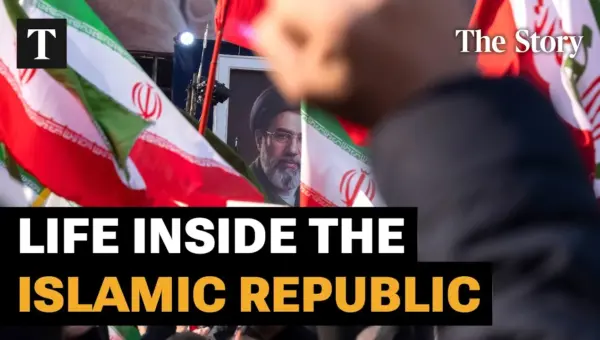
Iran’s Divided Families: War Fuels Ideological Chasm
An Iranian doctor living in London shares the profound divisions within his own family, reflecting Iran's deep ideological chasm. As conflict escalates, his mother's loyalty to the regime clashes with his father's longing for democratic change, highlighting the personal toll of national turmoil.

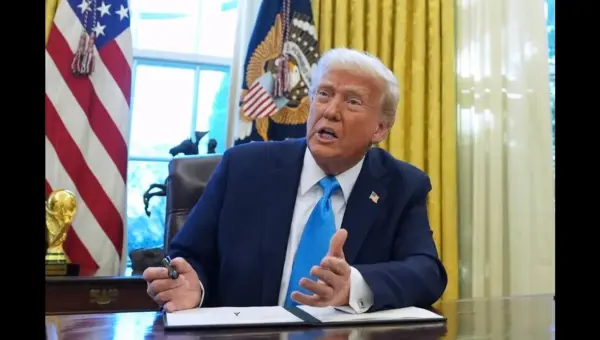
MAGA Elite Rebel: Trump Battles His Own Loyalists
Donald Trump is facing a revolt from his own MAGA elite, including figures like Tucker Carlson and Alex Jones. The conflict erupted after Trump's comments on potentially threatening Iranian civilians, which even his loyalists found unacceptable. This internal dissent, backed by data from his own social media, signals potential cracks in his base.