Iran Reels as US, Israel Strike Top Leaders in Retaliation
Iran is facing a significant leadership crisis following joint retaliatory strikes by the United States and Israel that eliminated Supreme Leader Ayatollah Khamenei and top military officials. The U.S. has endorsed regime change, while Iran has vowed massive retaliation.

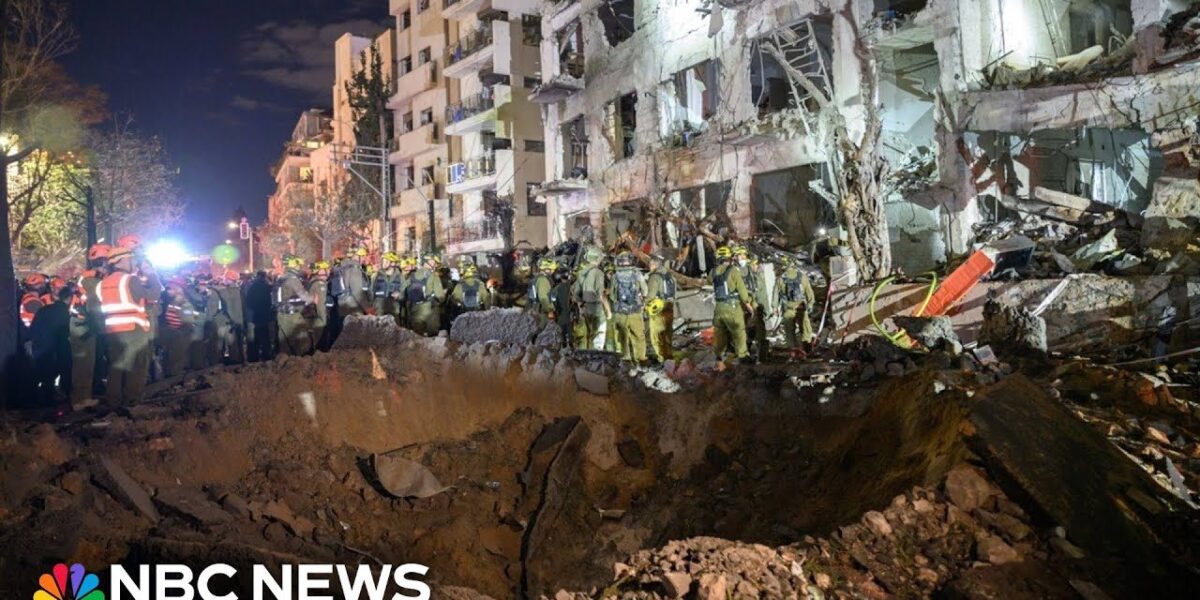
Iran Faces Leadership Crisis After Joint US-Israel Strikes
In a dramatic escalation of regional tensions, Iran has confirmed the deaths of its Supreme Leader Ayatollah Khamenei and other top military and defense officials following a joint retaliatory operation by the United States and Israel. The pre-dawn strikes, codenamed ‘Operation Epic Fury,’ targeted the Ayatollah’s compound and other key installations, sending shockwaves across the Middle East and prompting pledges of massive retaliation from Tehran.
Key Leaders Eliminated, Power Vacuum Emerges
Iranian state media reported the death of the 86-year-old Supreme Leader Ayatollah Khamenei, a figure described by former President Trump as “one of the most evil people in history.” Khamenei’s daughter and grandchild were also reportedly killed in the aerial assault. Further casualties confirmed by Iranian media include the commander of the Islamic Revolutionary Guard Corps (IRGC), the secretary of the Iranian Defense Council, and the chief of the country’s armed forces. The Israeli military subsequently launched additional strikes overnight, with reports indicating the elimination of approximately 40 senior Iranian leaders, including many high-ranking military commanders.
“We will hit them with a force that has never been seen before,” warned former President Trump in a message posted on Truth Social, directly addressing Iran’s threats of further retaliation.
US Endorses Regime Change, Puts Onus on Iranian People
Former President Trump, in a prerecorded announcement, explicitly endorsed regime change in Iran, urging its citizens to “rise up and take control of their government.” He framed the strikes as a historic opportunity for the Iranian people, stating that no previous U.S. president had offered such a chance. This move comes amid lingering discontent within Iran, fueled by economic grievances and previous uprisings, some of which were met with severe government crackdowns.
Iran Pledges “Massive Retaliation,” Casualties Reported
Iranian officials have vowed “massive retaliation” with “no red lines” against American and Israeli targets in the region. The initial Iranian retaliatory strikes have resulted in casualties, with reports of at least one person killed in Israel, one in Dubai, and four in Syria. The Iranian Red Crescent stated that over 200 people have been killed and around 700 injured in Iranian attacks. U.S. Central Command reported no U.S. casualties, no damage to naval assets, and minimal impact on U.S. installations, indicating that operations remain unaffected.
Uncertainty Surrounds Iran’s Military Capacity and New Leadership
A significant question mark hangs over Iran’s remaining military capabilities and who is currently directing its forces. The elimination of top military brass has created a considerable void at the highest levels of the Iranian regime. Ali Larijani, former speaker of the Iranian Parliament and now a senior security official, has emerged as a key figure, announcing the formation of a temporary leadership council to govern the nation. Larijani, described as a hardliner with experience in U.S. negotiations, has reiterated Iran’s commitment to retaliate, stating, “Yesterday Iran fired missiles at the United States and Israel, and they did hurt. Today, we will hit them with a force that they have never experienced before.” The country’s democratically elected president remains in office but holds limited power, particularly in matters of national security and foreign affairs.
Israeli Streets Quiet Amidst Ongoing Tensions
In Tel Aviv, the beginning of the work week saw largely deserted streets, despite reports of significant bombardments the previous night. The casualty count in Israel from these strikes was reported as one death and over 100 injuries, with some individuals suffering moderate wounds. This is a stark contrast to previous escalations, highlighting questions about the effectiveness and scale of Iran’s current retaliatory capacity. The Israeli military spokesperson confirmed the strikes, but official government statements have been minimal as the situation continues to unfold.
International Community Watches as Region Teeters on Brink
The international community is closely monitoring the volatile situation, with the potential for further escalation looming. The U.S. administration, while promising severe consequences for any further Iranian aggression, has also placed emphasis on the Iranian people’s role in shaping their future. The long-term implications of these strikes, including the potential for a wider regional conflict and the internal power dynamics within Iran, remain to be seen. The process of selecting a new Supreme Leader, a position held by only two individuals in the history of the Islamic Republic, is expected to be complex and closely watched.
What’s Next?
Attention will now turn to Iran’s response, the stability of its interim leadership, and the potential for further military actions from either side. The international community will be looking for signs of de-escalation, but the rhetoric from both Tehran and Washington suggests a period of heightened risk. The coming days will be critical in determining whether this exchange remains contained or spirals into a broader conflict.
Source: Special Report: Iran launches retaliatory attacks against Israel and U.S. targets in the Middle East (YouTube)

Related Articles

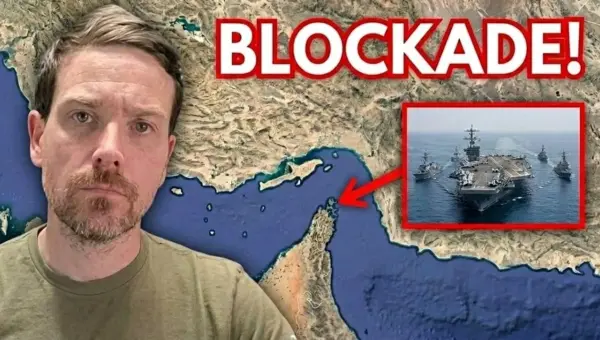
US Navy Blockade Tightens Grip on Iran’s Oil
The US Navy has imposed a strict blockade on Iranian ports, aiming to cripple the nation's oil exports and economy. With warships enforcing the closure, Iran faces significant financial pressure. The long-term effectiveness and potential for escalation remain key concerns.


Trump’s Iran Deal Talk: A Mirror of His Own Desires?
Donald Trump's repeated claims that Iran "wants a deal very badly" might be more about his own desire for an agreement than Iran's. This analysis explores his rhetoric and its potential implications for foreign policy.
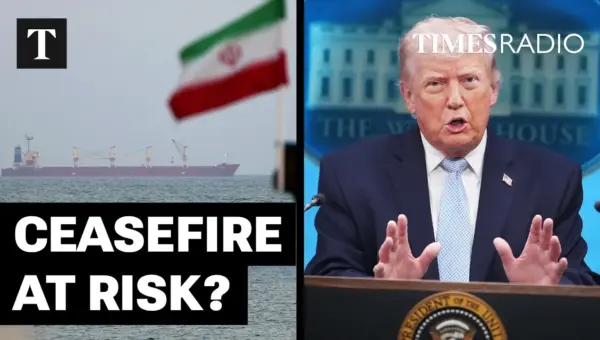
Iran Ceasefire Risks Spiraling Out of Control Amid Talks
A fragile ceasefire between Iran and the US, expiring in two weeks, faces major risks of collapse. Ongoing back-channel talks are attempting to bridge gaps, but experts warn that even minor incidents could easily escalate. The US naval blockade adds another layer of tension, with China watching closely but appearing hesitant to intervene.