Netanyahu Urges Iranians to Overthrow Regime After Strikes
Israeli Prime Minister Benjamin Netanyahu has directly urged the Iranian people to overthrow their government following targeted military strikes, a move echoing U.S. President Donald Trump's calls for regime change. The operation, dubbed "The Lion's Roar," aims to destabilize the Iranian leadership by empowering its citizens.

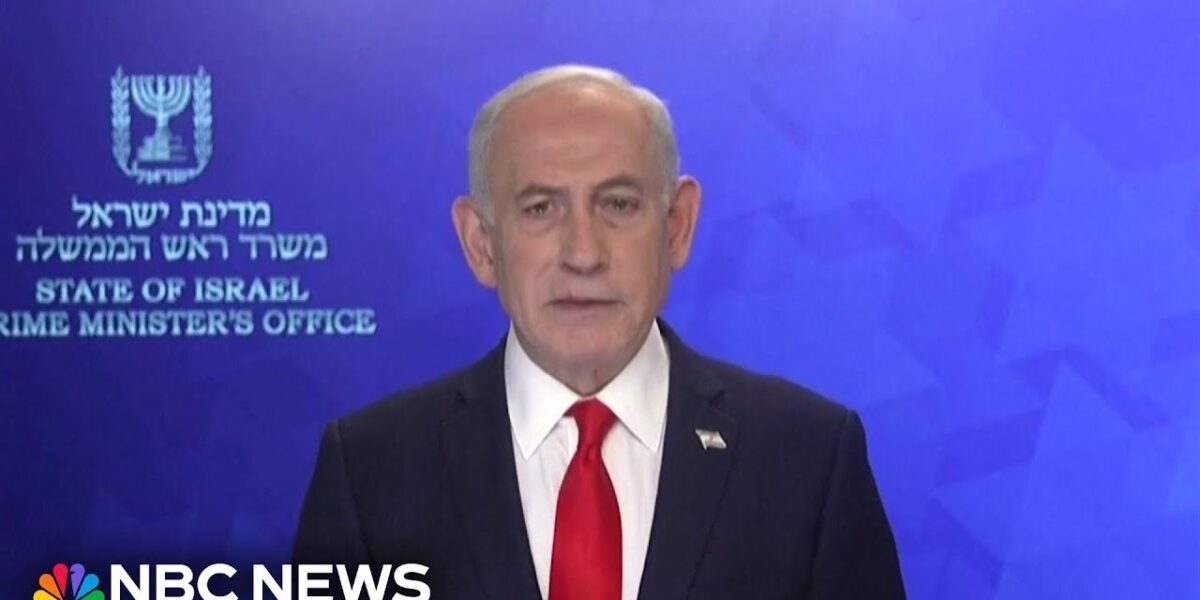
In a significant and potentially escalatory move, Israeli Prime Minister Benjamin Netanyahu has directly addressed the Iranian people, urging them to rise up and overthrow their government following a series of targeted military strikes. The message, delivered in a broadcast apparently named “The Lion’s Roar,” echoes sentiments expressed by U.S. President Donald Trump, who also spoke directly to the Iranian populace, signaling a coordinated effort to destabilize the current Iranian leadership.
A Direct Appeal to the Iranian People
Prime Minister Netanyahu’s address, transmitted directly to the Iranian people, was a stark call to action. He implored citizens to seize the moment, stating, “This moment will come and you will be demanded to go out to the streets in the masses, because you have to complete this work, and you have to bring down and eradicate this regime.” He framed the recent military actions, which targeted the leadership of the Revolutionary Guard and the General Staff, as an opportunity for the Iranian people to liberate themselves from what he described as a “tyrant” and “horrific ties with that regime.” Netanyahu assured the Iranians that their suffering and sacrifices would not be in vain, suggesting that the current actions are paving the way for their freedom.
“Your suffering and your sacrifice will not be in vain.” – Benjamin Netanyahu
Echoes of Trump’s Message
The Prime Minister’s direct appeal to the Iranian people mirrors a message previously delivered by U.S. President Donald Trump. Trump, in his own overnight comments, also spoke directly to the Iranian populace, stating that their future is now theirs to take and that “help has arrived.” He alluded to upcoming military strikes and indicated that once the government is sufficiently weakened, the people should take power and overthrow their leadership. This alignment in messaging between the leaders of Israel and the United States suggests a potentially unified strategy aimed at fomenting internal dissent and regime change within Iran.
Netanyahu also extended his gratitude to President Trump for his “historical leadership” and “close collaboration,” noting that their alliance has reached “the record of all times.” This acknowledgment highlights the significant diplomatic and strategic coordination between the two nations in their approach to Iran.
“The Lion’s Roar” Operation and Its Ambiguities
The Israeli operation, reportedly named “The Lion’s Roar,” appears to be the catalyst for these direct appeals. While the exact nature and scope of the military strikes remain undisclosed, the messaging from both Netanyahu and Trump indicates a deliberate strategy to weaken the Iranian regime and empower its citizens to act. The transcript mentions that the operation’s name is “The Lion’s Roar” and that Netanyahu was calling the Iranian people “the lion.” This metaphor suggests strength and a potential for resurgence, aligning with the call for popular uprising.
However, the practical implementation of such a strategy remains unclear. The transcript raises questions about how this popular uprising is expected to materialize, noting, “It’s unclear which people it’s unclear how that’s supposed to work.” The implication is that there may be covert actions, communications, and potentially support from intelligence agencies like the CIA to guide and direct these efforts. Yet, the journalist acknowledges the immense risk and difficulty involved in orchestrating such a complex geopolitical maneuver.
Broader Implications and Risks
This coordinated messaging from Israel and the U.S. marks a significant escalation in the ongoing tensions with Iran. By directly inciting the Iranian population to overthrow their government, both nations are stepping into uncharted territory. The potential for unintended consequences is high, including the possibility of a more severe crackdown by the Iranian regime on its citizens, a more robust response against perceived foreign interference, or even a wider regional conflict.
The strategy appears to be based on the premise that the Iranian people are fundamentally dissatisfied with their current leadership and are poised for rebellion. While there have been instances of internal dissent and protests within Iran in recent years, the success of a coordinated, externally encouraged uprising is far from guaranteed. The Iranian regime has a history of suppressing internal opposition, and the effectiveness of any covert support mechanisms remains speculative.
What to Watch Next
Moving forward, the world will be watching closely to see if Prime Minister Netanyahu’s and President Trump’s appeals resonate with the Iranian people and if any significant popular movements emerge. The response from the Iranian government to these direct calls for its overthrow will also be critical. Furthermore, the extent of U.S. and Israeli involvement in potentially supporting such movements, and the potential for Iranian retaliation, will shape the geopolitical landscape in the Middle East and beyond. The success or failure of this bold strategy could have profound implications for regional stability and the future of Iran.
Source: WATCH: Benjamin Netanyahu speaks to Iranian people (YouTube)

Related Articles

Trump’s Allies Rebel: Conservatives Slam President’s Policies
Prominent conservative figures and lawmakers are openly criticizing President Trump's policies in 2026, signaling a growing divide within the movement. From Candace Owens questioning the Iran conflict to Senator Rand Paul challenging trade policy, a wave of dissent is challenging the president's agenda.

China’s Iran Gambit: Deception or a New World Order?
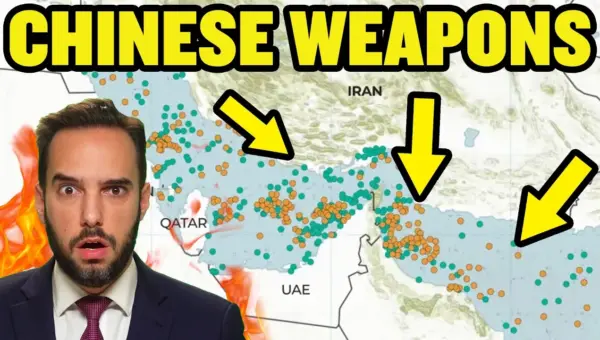
President Trump claims China will stop sending weapons to Iran, but deep skepticism remains due to China's past support and use of spy satellites to aid Iran. This move could be a strategic ploy to weaken the US military.
China Aids Iran Amid US Conflict Escalation
Recent intelligence suggests China is secretly supplying Iran with weapons like MANPADS and sharing critical intelligence, a significant escalation from its previous stance. This move, if confirmed, could deepen regional conflict and lead to severe US economic retaliation, while highlighting long-standing strategic ties between Beijing and Tehran.