MAGA Figures Exposed as Trump Escalates Conflict with Iran
Escalating U.S. strikes on Iran have triggered a regional conflict, exposing stark contradictions in past statements by prominent MAGA figures, including Donald Trump. Critics highlight hypocrisy regarding war, draft fears, and "America First" principles as the situation intensifies.

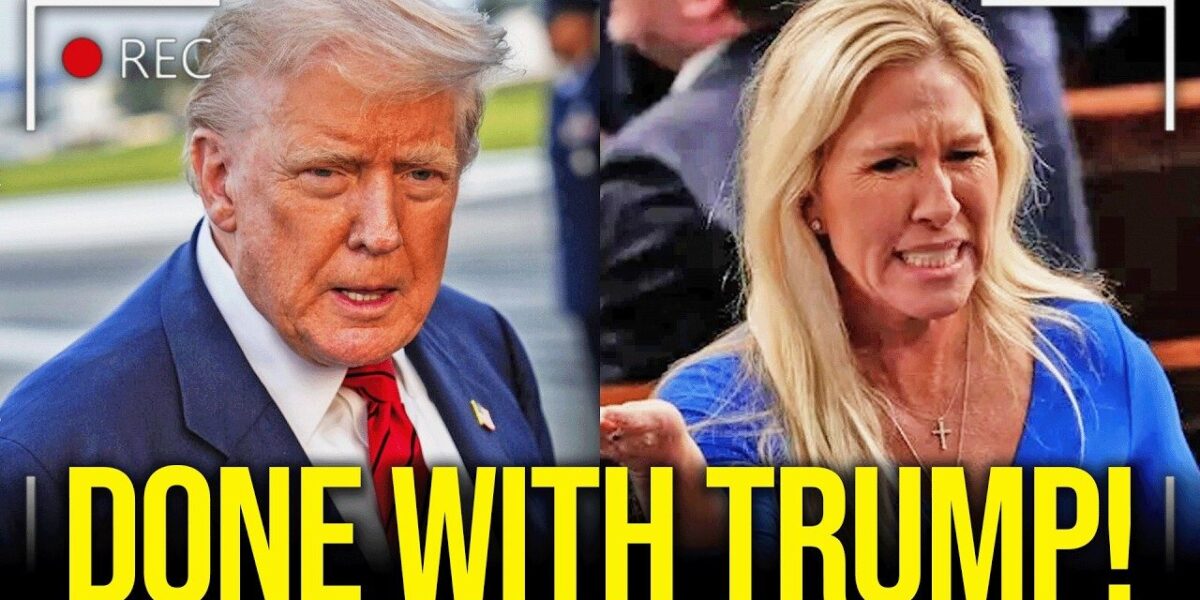
US Strikes Iran, Igniting Regional Conflict and Exposing GOP Hypocrisy
In the volatile days preceding a major election, the United States and Israel launched coordinated strikes against Iran, triggering an immediate escalation into a regional conflict. Iran has retaliated with strikes on U.S. naval and air bases across the Middle East, with reports of an attack in Dubai underscoring the rapidly deteriorating situation. This dramatic turn of events has cast a harsh spotlight on prominent Republican figures and their past statements regarding foreign policy and military intervention, revealing a stark contrast between their previous rhetoric and the current administration’s actions under Donald Trump.
Past Warnings on War and Drafts Emerge
Statements from leading MAGA figures, some dating back a year or two, have resurfaced, appearing to age poorly in light of the escalating tensions. Notably, a tweet from Steven Miller, posted just days before the 2024 election, warned, “If young men don’t want to be drafted to fight in Kamla and Cheneyy’s third world war, they better get out and vote for Trump.” This statement is now being re-examined as the U.S. finds itself on the brink of a major conflict with Iran.
In a similar vein, Charlie Kirk, in June 2025, expressed strong reservations about regime change operations, stating, “This is insane. Regime change will result in a bloody civil war, killing hundreds of thousands, and creating another massive Muslim refugee crisis. Topping a leader is never as easy as you think. It almost always results in further involvement, a civil war, and chaos. Resist this.” He further cautioned that such actions historically lead to U.S. entanglement in “forever war nation building projects” that increase national debt and harm younger generations.
Tulsi Gabbard’s clear stance against military action, “No war with Iran,” from January 2020, is also being highlighted, particularly given her current role as Director of National Intelligence, a position that places her within the administration now engaging with Iran.
Marjorie Taylor Greene’s Strong Rebuke
The current administration’s approach has drawn sharp criticism from within the Republican party itself. Marjorie Taylor Greene, a prominent MAGA supporter, has vehemently denounced the current leadership. Responding to a thread that included a clip of Donald Trump acknowledging that “lives of American heroes may be lost and we may have casualties,” Greene posted a scathing critique:
The Trump admin asked in a poll how many casualties voters were willing to accept in a war with Iran. How about zero? You bunch of sick [expletive] liars. We voted for America First and zero wars.
Greene’s statement not only labels the administration as liars but also directly contradicts the stated goals of the “America First” movement, emphasizing a desire for non-interventionist policies and the avoidance of foreign conflicts.
Trump’s Own Past Criticisms of Obama
Adding another layer of irony, Donald Trump’s own past criticisms of President Obama regarding potential military action against Iran are being brought to light. In 2012, Trump tweeted, “Now that Obama’s poll number is earned a tail spin, watch for him to launch a strike in Libya or Iran. He is desperate.” He continued this line of criticism in 2013, stating, “Remember that I predicted a long time ago that President Obama will attack Iran because of his inability to negotiate properly, not skilled. Look at who ended up attacking Iran, and look who couldn’t negotiate properly.” Trump also issued a broader warning: “Be prepared. There is a small chance that our horrendous leadership could unknowingly lead us into World War II.” These past statements now appear to stand in stark contrast to the current administration’s actions.
Broader Implications and Shifting Alliances
Commentators are drawing parallels between the current situation and past foreign policy missteps. Cigar of Breaking Points noted the “profound campaign betrayal in modern US history” given the initiation of a “regime change war of choice” that has led to a regional conflict and put American lives at risk. Tommy Vitter of Podsave America highlighted Trump’s promise to end the war in Ukraine within 24 hours, contrasting it with the launch of “two regime change wars in Venezuela and Iran in the first 13 months” of his term, which he argues is the opposite of his campaign promises.
JD Vance, who in 2023 authored a Wall Street Journal opinion piece titled “Trump’s Best Foreign Policy: Not Starting Any Wars,” and expressed support for Trump based on his perceived commitment to avoiding overseas conflicts, is now in a difficult position. His previous stance, which warned of the disastrous consequences of the Iraq War, including its immense cost and unintended outcomes, appears to be directly contradicted by recent events. This shift may also have implications for Trump’s political endorsements, with Vance’s non-interventionist views potentially creating a rift with Trump’s perceived preference for figures like Marco Rubio, who is seen as more aligned with neoconservative foreign policy.
Tucker Carlson has also weighed in, calling the U.S. attack on Iran “absolutely disgusting and evil” and suggesting it will significantly impact Trump’s political movement, predicting it will “shuffle the deck in a profound way.”
A Pattern of Deception?
Beyond foreign policy, critics point to a broader pattern of alleged deception by the current administration. The handling of the Epstein files and previous incidents, such as the events involving Renee Nicole Good and Alex Prey, are cited as examples of the administration allegedly misleading the public. This alleged pattern of dishonesty further fuels the criticism from figures like Marjorie Taylor Greene.
Looking Ahead
As the conflict with Iran unfolds, the focus will remain on the immediate consequences for regional stability and U.S. military personnel. Simultaneously, the political fallout within the Republican party and the broader electorate will be closely watched. The stark contradictions between past rhetoric and present actions by key MAGA figures, particularly Donald Trump, raise significant questions about the future direction of American foreign policy and the core tenets of the “America First” movement. The coming weeks will likely reveal the extent to which these events reshape political landscapes and public opinion.
Source: Republicans EXPOSE Trump after HE STARTS WAR (YouTube)

Related Articles

GOP Faces Voter Discontent Over War, Diminished Support
Republican lawmakers are noticing growing voter discontent, particularly among younger demographics, regarding the ongoing war. This sentiment, coupled with economic pressures, could lead to diminished support and turnout in the upcoming midterm elections. The party faces significant challenges in messaging and addressing voter concerns.

Trump’s Allies Rebel: Conservatives Slam President’s Policies
Prominent conservative figures and lawmakers are openly criticizing President Trump's policies in 2026, signaling a growing divide within the movement. From Candace Owens questioning the Iran conflict to Senator Rand Paul challenging trade policy, a wave of dissent is challenging the president's agenda.
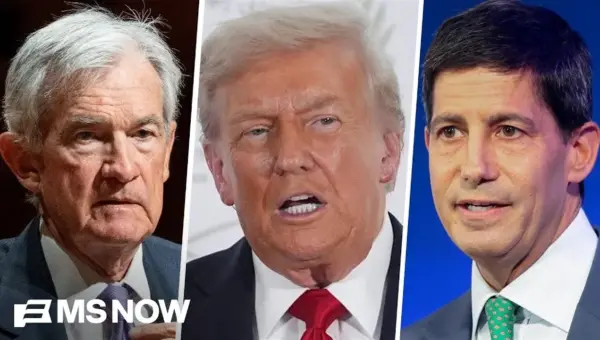
Trump Threatens Fed Chair Powell, Faces Nomination Blockade
President Trump is threatening to fire Fed Chair Jerome Powell over a renovation probe, creating a political stalemate. Senator Tom Tillis is blocking Trump's nominee, Kevin Warsh, until the investigation concludes. Warsh himself faces scrutiny over his vast personal wealth, estimated between $135-226 million, raising conflict of interest concerns.