Labour’s Electoral Future in Doubt After Gorton and Denton By-election Loss
The Green Party has achieved a historic Westminster by-election victory in Gorton and Denton, a result that analysts warn signals an existential crisis for the Labour Party. The win underscores the fragmentation of the UK's traditional two-party system and raises questions about Labour's electoral strategy and leadership.

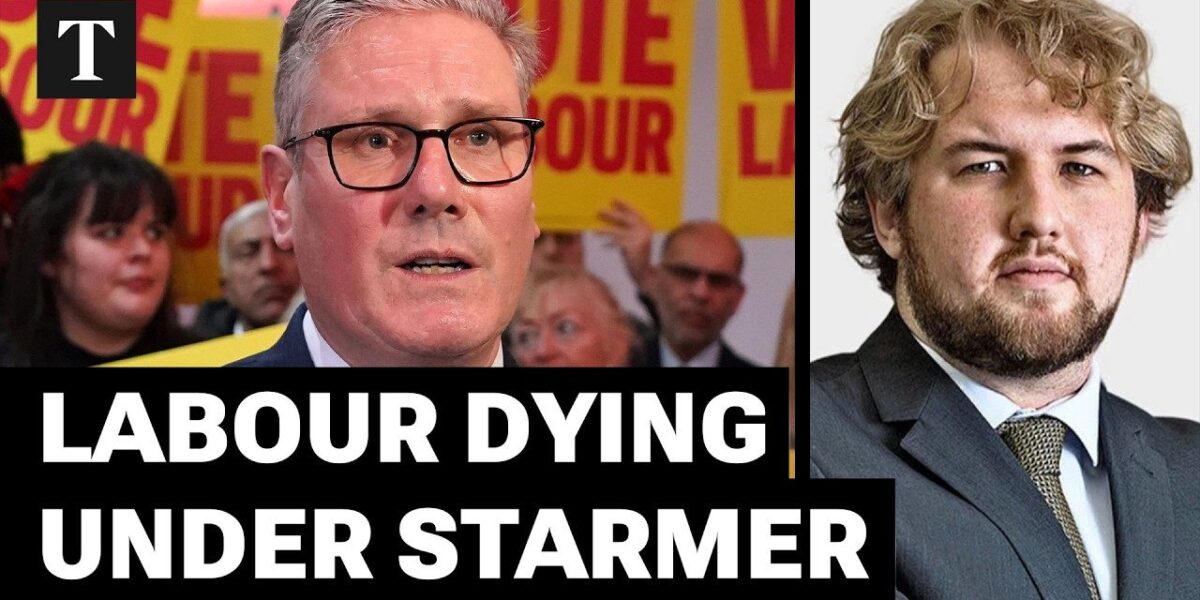
Green Party Secures Historic By-election Victory, Shaking Labour’s Foundations
In a seismic political event, the Green Party has achieved its first-ever Westminster by-election victory in Gorton and Denton. The win, secured by Hannah Katherine Spencer, has sent shockwaves through the Labour Party, with analysts suggesting the result indicates an existential crisis for the party under Keir Starmer’s leadership. The by-election, triggered by the resignation of a Labour MP, saw the traditional two-party system crumble, with both Labour and the Conservatives failing to secure a significant portion of the vote. The Conservatives even lost their deposit, narrowly avoiding being beaten by the Monster Raving Loony Party.
A By-election Defeat with Deep Implications
The Gorton and Denton by-election result is being widely interpreted as a devastating blow to Labour. Patrick Maguire, Chief Political Commentator, stated unequivocally, “I take that the Labour party is dying as a going electoral concern under Karma to be honest with you, Ed.” He elaborated that “there is no such thing as a safe Labour seat under this leadership.” The Greens secured a comfortable 40% of the vote in a seat Labour had held with a majority since 1931. Maguire emphasized the broader trend, noting that “the two main parties as we traditionally imagine them won barely won a quarter of the vote in this bi-election.” This fragmentation of the political landscape, he argued, signals the “old party system crumbling under leadership of Kharma.”
“We are seeing the old party system uh crumbling under leadership of Kharma and frankly the damage has already been done to the tries.” – Patrick Maguire
Labour’s Coalition Under Threat
Luke Sullivan, former political director for Keir Starmer, acknowledged the gravity of the situation, admitting, “I tend not to disagree with Patrick in his analysis. I think sadly on this he’s right.” Sullivan highlighted the shift towards multi-party politics, stating, “The challenge facing the Labour Party and it isn’t just the Labour Party. It is the established political parties are, you know, duopoly, if we’ve ever had a duopoly for the last uh five or so years, has fragmented.” He expressed concern that Labour, after only 18 months in opposition, appears to be perceived as part of the “old establishment” rather than an insurgent force. The upcoming local elections in May are seen as a critical test for Labour’s electoral coalition, which Sullivan believes is at risk of fragmenting to the benefit of parties on both the left and the right.
Calls for a Reset and Internal Dissent
The defeat has intensified calls for a change in Labour’s direction. John Trickett, an ally of Jeremy Corbyn, told Times Radio that the result “signals a bigger change in the way that people see the country, its politics, and its leaders” and urged the Prime Minister to “reflect on his own position.” Adding to the pressure, Angela Rayner, a senior Labour figure, issued a pointed public statement on social media, declaring, “This result must be a wakeup call. It’s time to really listen and to reflect. Voters want the change that we promised and they voted for.” Maguire interpreted Rayner’s comments as a significant warning, stating it was “Angela Raina putting Kia Star on notice and setting the terms.” Despite private anxieties within the party, Maguire indicated that the cabinet is not yet ready to initiate a leadership contest due to a lack of consensus on a successor or a clear alternative direction.
The Green Party’s Ascendancy
The Green Party’s victory in Gorton and Denton is being hailed as a significant milestone. Green Party leader Zack Polanski celebrated the win, emphasizing that “there is no longer any nogo areas for the Green Party right across England and Wales.” He attributed the success to a “crystal clear” campaign focused on lowering bills, protecting the NHS, and rebuilding public services. Polanski framed the Green Party as a hopeful alternative, offering a plan rather than relying on voter anxieties. The success is seen as evidence that voters are increasingly looking beyond the traditional two-party system for viable alternatives, potentially challenging Labour’s dominance on the left.
Labour Fighting on Multiple Fronts
The Gorton and Denton by-election outcome positions Labour in a precarious situation, appearing to be fighting a “war on two fronts.” While the Green Party is making inroads in traditional Labour heartlands, the rise of Reform UK poses a threat on the right. Patrick Maguire noted that the Labour Party’s electoral map for the upcoming general election is likely to look “abysmal.” He pointed to similar trends observed in other recent elections and by-elections across Scotland, Wales, and even major cities, suggesting a systemic issue rather than an isolated incident. The challenge for Labour, as highlighted by the Gorton and Denton result, is to regain the trust and support of a disillusioned electorate and navigate the complex, fragmented political landscape.
Looking Ahead: What’s Next for Labour?
The Gorton and Denton by-election has undeniably intensified the pressure on Keir Starmer and the Labour leadership. With local elections looming and internal dissent growing, the party faces a critical juncture. The coming months will be crucial in determining whether Labour can effectively reset its strategy, address voter concerns, and present a compelling alternative to the Conservative government, or if the electoral fragmentation observed in Gorton and Denton signals a more profound and lasting decline. The ability of the party to unify, reconnect with its traditional base, and counter the appeal of both the Greens and Reform UK will be key to its future electoral prospects.
Source: Starmer's Labour Is Dying As An Electoral Force In The UK | Patrick Maguire (YouTube)

Related Articles

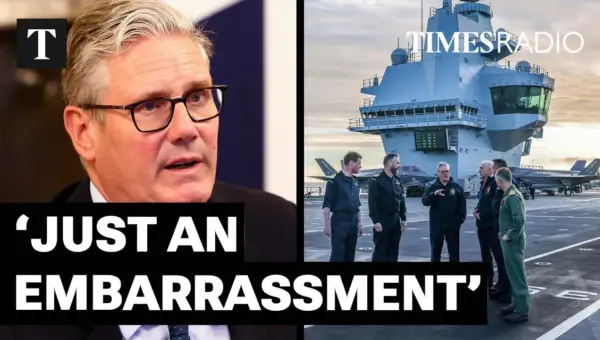
UK Defence Faces ‘Embarrassment’ Amid Funding Gaps
Britain's defense capabilities are facing severe criticism, with experts calling the current state an "embarrassment" due to significant funding gaps and a lack of preparedness for modern warfare. Despite strong rhetoric, the government is urged to make tough decisions on defense spending, which faces a £28 billion shortfall, to address growing global threats. The article explores the disconnect between political statements and actual investment, the evolving nature of warfare, and the challenges of public perception and political will in securing national security.

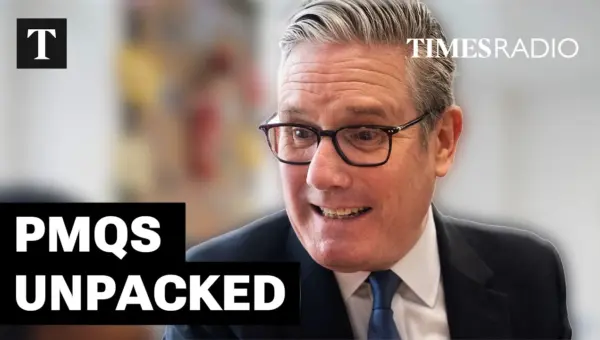
Starmer Defends Defence Amidst Heated PMQs Exchange
Keir Starmer defended Labour's defence policy during a heated Prime Minister's Questions session, facing scrutiny over military spending and international roles. Political commentator Patrick Maguire analyzed Starmer's strategy to position Labour as strong on national security.


Royal Navy’s Weakness Becomes Global Joking Point
Britain's Royal Navy faces criticism for its depleted fleet, with breakdowns leading to public jokes and concerns about national security. A former NATO chief warns of "corrosive complacency" as defense funding lags behind strategic reviews. Experts suggest a shift towards cheaper, more effective weapon systems is needed to counter modern threats.