Russia’s Economy Crumbles Amidst War and Sanctions
Russia is facing a severe economic crisis marked by business closures, high inflation, and a growing budget deficit, exacerbated by war costs and sanctions. Even state media acknowledges the widespread hardship, as consumer power dwindles and vital sectors like oil and defense struggle with funding shortages.

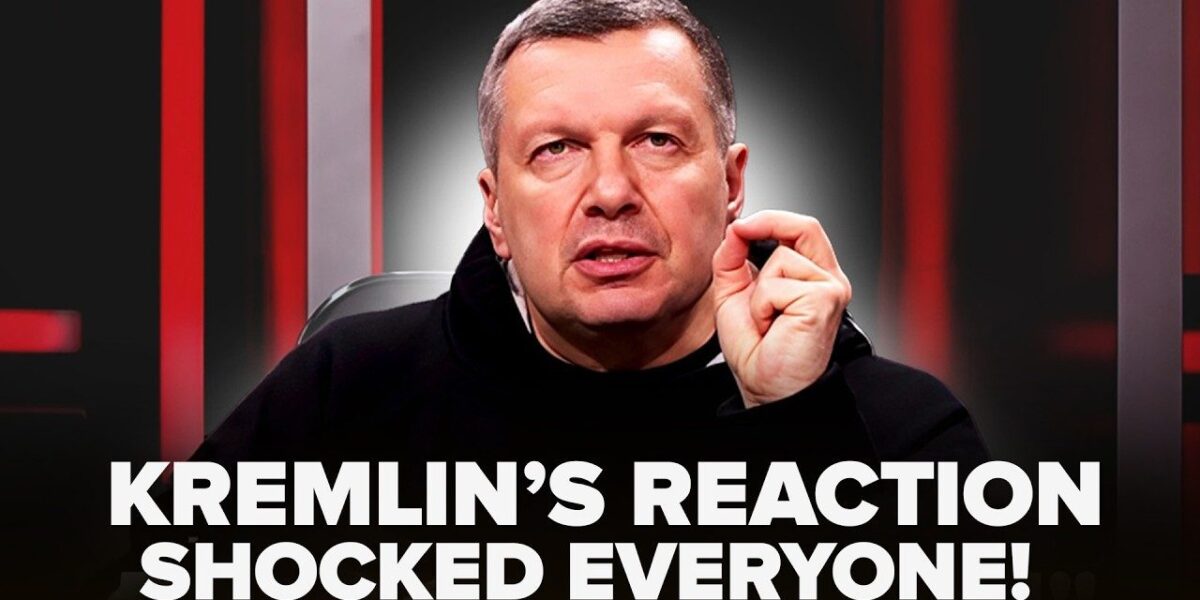
The Russian Federation is grappling with a severe and escalating economic crisis, marked by widespread business closures, soaring inflation, and a rapidly widening budget deficit. This downturn, exacerbated by the ongoing conflict in Ukraine and international sanctions, is impacting all sectors of society, from major oil companies to everyday consumers, and is even beginning to be acknowledged by Kremlin loyalists.
Economic Stability Cracks Under War Strain
Once considered an economic stronghold, Moscow is now witnessing a significant wave of business liquidations, particularly in the catering industry, the largest since the COVID-19 pandemic. This trend is indicative of broader financial distress, with reports of empty new housing developments across the country due to a lack of affordability. The situation has become so pronounced that even prominent state propagandists, like Vladimir Solovyov, have begun discussing the economic hardship on air, a stark departure from previous narratives of stability.
“Well, we’ve arrived. They wanted to make the operation in Ukraine the top, the sparkling apogee of the current president of the Russian Federation. Well, as a matter of fact, it turned out that this is already the end of an era.”
This sentiment reflects a growing unease that the conflict, intended as a display of Russian strength, is instead signaling the twilight of an era, plunging the nation into a deepening economic crisis. The focus has shifted from territorial gains to the alarming decline in budget revenues, with preliminary figures for January indicating a deficit of 1.7 trillion rubles. Projections from the Ministry of Finance suggest a further 11.6% drop in budget revenues compared to January of the previous year, painting a grim picture of the nation’s fiscal health.
Inflation Soars, Consumer Power Drains
The most visible consequence for ordinary Russians is rampant inflation. The price of everyday items, such as coffee, has skyrocketed, with reports of a single cup costing upwards of 500 rubles, a significant jump from pre-war prices. Social media is rife with complaints about the rising cost of basic groceries. One viral post detailed a shopping trip for essential items like bananas, tomatoes, and an apple costing 400 rubles, highlighting the diminishing purchasing power of the ruble.
Official inflation rates may hover around 6%, but independent experts estimate that the real-world increase in prices for food and essential goods has surpassed 25%. This disparity between official figures and lived reality is fueling public discontent. The economic downturn is characterized not by empty shelves, but by a slow, suffocating decline: people work harder, yet can afford less each year.
Oil Revenue Falls, Sanctions Bite Deep
Russia’s historical reliance on oil and gas revenues is proving to be a critical vulnerability. Global oil prices have fallen below the government’s budget baseline, while geopolitical shifts have further complicated export routes. India has reduced its imports, and Western sanctions have targeted Russia’s “shadow fleet” of oil tankers. These vessels face port denials, insurance refusements, and payment blockades, severely hindering Russia’s ability to export its primary commodity.
The disruption to oil exports directly impacts the national budget. Billions in revenue are lost, forcing the government to consider new taxes, delay payments, or deplete its reserve funds. The collision between geopolitical ambitions and economic reality is becoming increasingly stark, threatening Russia’s ability to finance its military operations and maintain a basic standard of living for its citizens.
Defense Sector Hit by Cash Shortages
Even the defense industry, traditionally a top priority for state funding, is experiencing severe financial strain. Enterprises responsible for producing missiles, shells, and military equipment have reportedly delayed salaries for months. Workers at these state-ordered facilities are allegedly receiving minimal advances and are urged to wait, with threats of dismissal if they complain. This situation signifies a critical shortage of funds, a direct consequence of the budget’s mounting deficits and the voracious consumption of resources by the war effort.
This cash crunch in the military-industrial complex is a telling indicator of the broader economic decline. When even the sector designed to project power faces such difficulties, it suggests that the entire system is operating at its limits. The war, promoted as a path to national resurgence, is now demonstrably undermining the very industries responsible for its execution.
Broader Implications and Future Outlook
The economic challenges facing Russia are multifaceted, extending beyond mere statistics. The reported increase in the proportion of income spent on food—reaching 40% according to Rustat—is a significant indicator of declining well-being, far exceeding figures in developed nations. This suggests a polarization of the economy, with a small super-rich elite close to the government and a large, impoverished population.
Analysts predict the budget deficit could triple, while reserves dwindle. The central bank’s attempts to artificially support the economy by lowering interest rates risk further fueling inflation and stifling genuine development. Businesses are struggling, banks are hesitant to lend, and the average Russian is finding it increasingly difficult to make ends meet.
The current economic downturn in Russia is not a sudden collapse but a deep, chronic crisis stemming from political miscalculations and international repercussions. The war in Ukraine has cost Russia markets, investments, trade, and its reputation. While the economy has not yet fully collapsed, its stability has been irrevocably compromised. The future outlook suggests a continuation of these harsh economic realities, with the war’s demands placing an unsustainable burden on the nation’s resources and its people.
Source: 😱SOLOVYOV IS OUT! Wild REACTION caught ON AIR. Moscow in HYSTERIA over the “SVO” (YouTube)

Related Articles
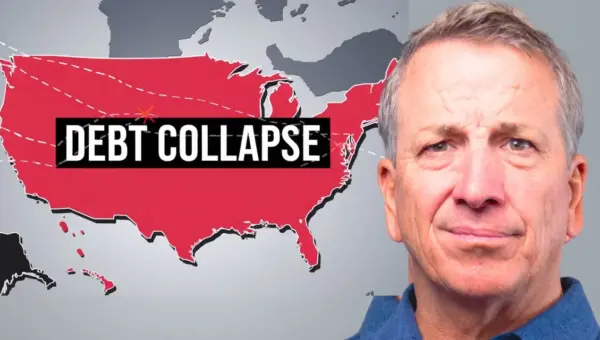
High Debt Forces Fed’s Hand, Paving Way for Rate Cuts
Massive U.S. debt is limiting the Federal Reserve's ability to fight inflation, potentially forcing interest rate cuts. This delicate balancing act risks higher inflation and impacts the real estate market, creating both challenges and opportunities.

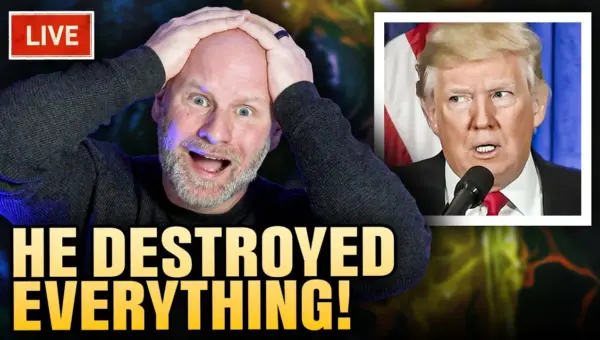
Trump’s Trade Wars Fueled Inflation, Fed Report Claims
A new Federal Reserve report links Donald Trump's trade wars to increased inflation since January 2025. Economists claim prices would have fallen to pre-pandemic levels without these tariffs. This finding highlights the significant consumer cost of protectionist trade policies.

Economy Crumbles: Americans Can’t Afford Basics
A significant majority of Americans report that their incomes can't keep up with rising prices, forcing cutbacks on essentials and reliance on credit. This economic strain is highlighted by data showing a widening gap between wages and inflation.