Iran Blinks: Trump Extends Ceasefire Amidst Tense Standoff
President Trump has extended the ceasefire with Iran, despite Iran's refusal to attend peace talks. This decision follows earlier threats of military action and displays of U.S. military readiness, raising questions about America's negotiating strength.

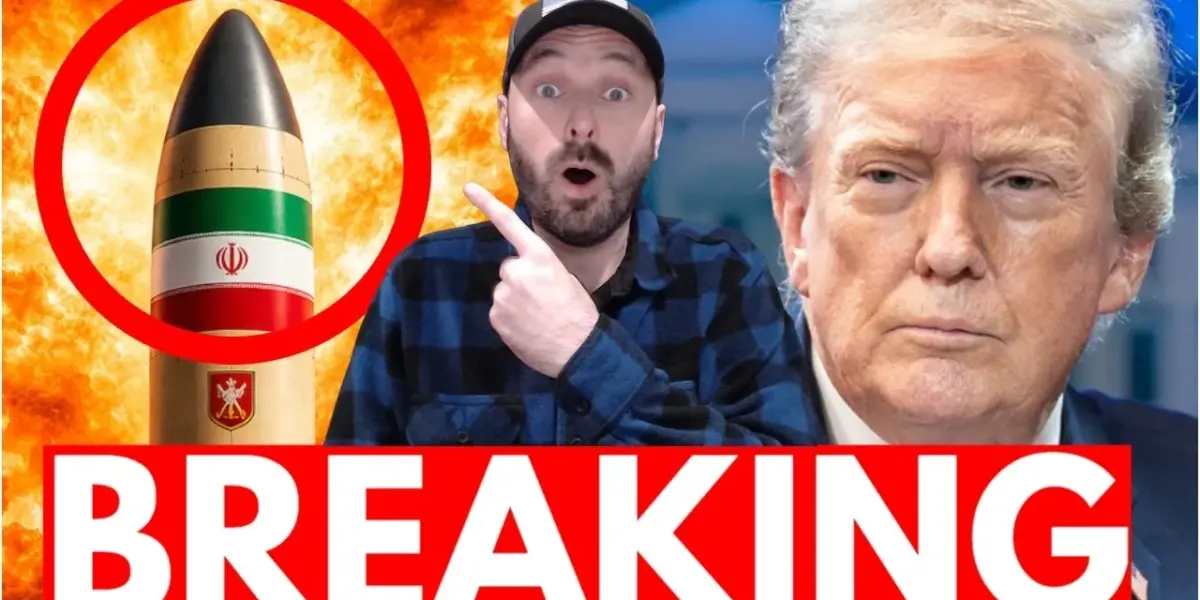
Iran Blinks: Trump Extends Ceasefire Amidst Tense Standoff
In a surprising turn of events, President Donald Trump announced an extension of the ceasefire with Iran, despite diplomatic talks collapsing and Iran refusing to participate. This decision came as a shock to many, especially given earlier indications that military action might resume. The situation remains tense, with Iran reportedly preparing missiles and broadcasting unusual radio signals.
A Failed Peace Process
The ceasefire was set to expire on April 21st, and all signs pointed towards renewed conflict. However, President Trump issued a statement explaining the decision to extend the pause.
He cited Iran’s internal divisions and a request from Pakistani leaders, Field Marshall Amin Munir and Prime Minister Shabbaz Sharif, to delay an attack. This would give Iran time to present a unified proposal for peace talks.
This move is seen by some as a repeat of past situations where strong threats were made but ultimately softened. Just recently, Trump had stated on CNBC that there would be no extension of the ceasefire and that bombing could resume immediately. The subsequent announcement to extend it indefinitely, after Iran refused to negotiate, has led to questions about America’s strength and its negotiating position.
Iran’s Defiance
Iran’s hardline IRGC, which controls the country, made it clear they would not attend peace talks in Pakistan. They signaled a refusal to negotiate and a commitment to their existing stance, perhaps underestimating the possibility of U.S. military action. This defiance, however, might prove to be a significant miscalculation on their part.
Adding to the tension, Iran’s Foreign Minister, Abbas Argotchi, called the blockade of Iranian ports an act of war and a violation of the ceasefire. He also condemned the seizure of a commercial vessel and its crew as an even greater violation. However, the vessel was reportedly carrying secret Chinese cargo, casting doubt on the fairness of his statement.
Military Readiness and Unusual Signals
The situation was heightened by the visible presence of U.S. military assets. B-52 bombers, armed with long-range cruise missiles, were deployed and ready for action. This display of military readiness suggests that the U.S. was prepared to strike if diplomacy failed.
Adding a layer of mystery, strange radio messages were reportedly intercepted from the B-52s. The exact nature and meaning of these transmissions remain unclear, sparking speculation about their purpose or origin. Meanwhile, Iran has been seen moving missiles in the streets, a move interpreted by some as a direct taunt to the United States.
Why This Matters
This series of events highlights the complex and often unpredictable nature of international relations. It raises questions about the effectiveness of diplomatic pressure versus military threats. When a nation refuses to engage in talks, and the opposing side extends a ceasefire without gaining any concessions, it can be perceived as a sign of weakness rather than strength.
The decision to extend the ceasefire, despite Iran’s clear refusal to negotiate, suggests a desire to avoid escalation. However, it also risks emboldening Iran and setting a precedent for future standoffs. The credibility of drawn red lines is tested when they are not enforced, potentially impacting future deterrence.
Historical Context and Future Outlook
This situation echoes past instances where President Trump has drawn firm lines that were later altered or softened. The pattern of escalating rhetoric followed by a de-escalation or a change in strategy can create confusion and uncertainty, both domestically and internationally.
The involvement of Pakistan as an intermediary and the focus on Iran’s internal political divisions add further complexity. The future outlook remains fluid.
While the immediate threat of conflict may have receded, the underlying issues and the strained relationship between the U.S. and Iran persist. The effectiveness of this extended ceasefire will depend on Iran’s next moves and whether any genuine progress towards a unified proposal can be made.
The coming days will be crucial in determining the direction of this volatile situation. As of the filming of this report, the attack has been called off, but Iran’s actions and the U.S. response will continue to shape this ongoing narrative.
Source: Iran Calls Trump's BLUFF – Massive Missiles On LAUNCH STATUS (YouTube)

Related Articles

Trump’s Iran Strategy Falters Amid Strait of Hormuz Crisis
President Trump's strategy for dealing with Iran is under scrutiny as tensions rise over the Strait of Hormuz. Despite U.S. military actions, Iran appears to maintain significant leverage, controlling a vital global oil route. Mixed messages from the White House and a hardline new Iranian leadership add complexity to the ongoing diplomatic efforts.

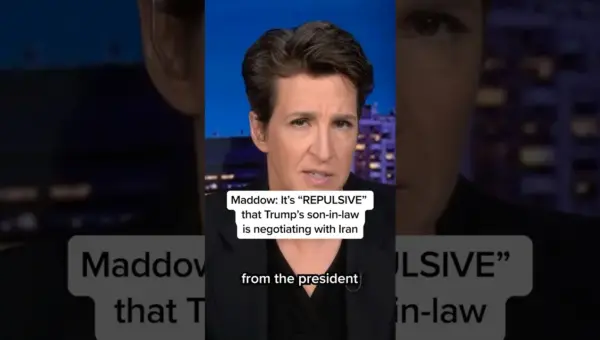
Kushner’s Iran Talks Draw ‘Repulsive’ Criticism
Rachel Maddow of MSNBC has voiced strong disapproval of Jared Kushner's reported involvement in negotiating with Iran. She described the situation as 'repulsive,' citing concerns over Kushner's business interests and lack of traditional diplomatic experience. This raises questions about potential conflicts of interest and the effectiveness of such sensitive talks.


US-Iran Talks Collapse: Ceasefire in Peril, War Looms
US-Iran peace talks have collapsed, leaving a vital ceasefire in jeopardy. Iran refuses to negotiate as long as the US naval blockade remains, threatening an "unlimited" response to any US strike. Former President Trump has indicated a lack of interest in extending the ceasefire and expects military action.