Ex-NSA Chief: Downing St Ignored Vetting for Key Envoy
Former National Security Adviser Sir Mark Lyall Grant stated that Downing Street believed security vetting was unnecessary for Peter Mandelson's appointment, leading to pressure on the Foreign Office. This dismissal of formal checks and potential prioritization of political urgency over national security raises significant questions about government procedures.

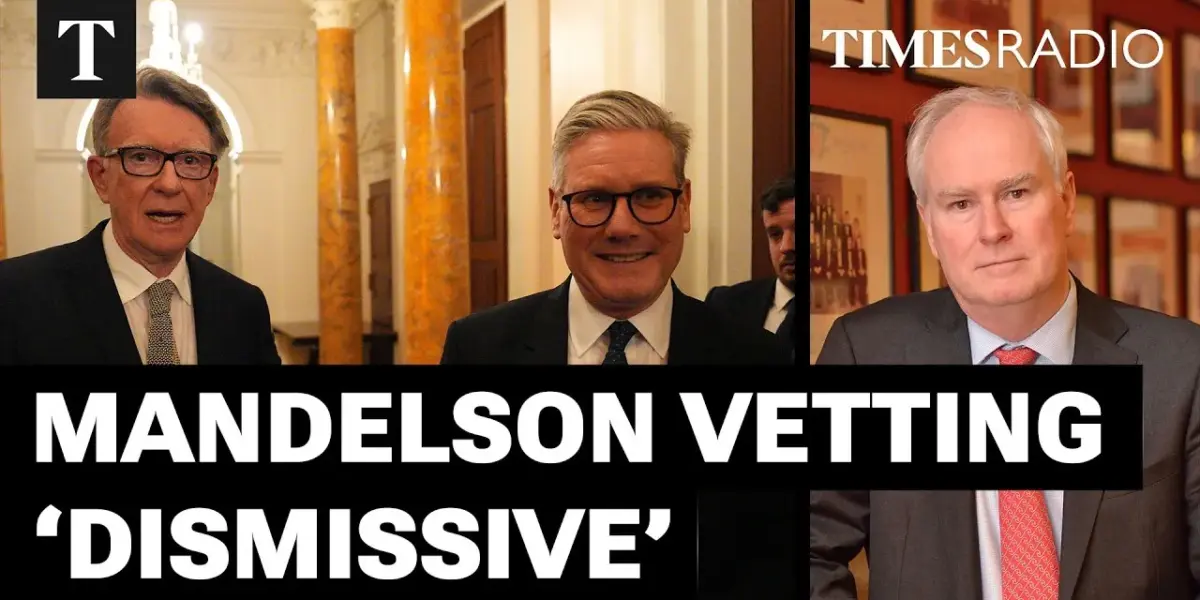
Top Advisor Cites Downing Street’s Dismissal of Security Checks
Former National Security Adviser Sir Mark Lyall Grant has stated that Downing Street believed security vetting was unnecessary for a key diplomatic appointment. He suggested that Number 10 had already decided on the candidate, Peter Mandelson, and had conducted their own checks. This led to a dismissive attitude towards the formal vetting process and pressure on the Foreign Office to speed things up.
The appointment process reportedly unraveled, leading to Mandelson’s relocation to Washington. Sir Richard Dearlove, former head of MI6, told the interviewer that the primary responsibility for these issues lay with Number 10. He disagreed with the idea of giving the benefit of the doubt in national security cases, stating that vetting failures should lead to an immediate cancellation of an appointment.
Robbins’ Testimony Raises Further Questions
Sir Mark Lyall Grant discussed the testimony of Sir Oliver Robbins, former chief European Union negotiator, before the Foreign Affairs Committee. Robbins confirmed that Number 10 was not informed about the details of the vetting process. He believed he should have informed the Cabinet Office or Number 10, which was presented as the reason for his dismissal.
However, Robbins argued he was not obliged to share details due to the confidential nature of the vetting process. He felt he had done nothing wrong and had been unfairly removed from his position. His evidence, according to Sir Mark, raises further questions that Number 10 and the Prime Minister must address.
Concerns Over National Security vs. Political Urgency
Sir Mark questioned whether Number 10 was overriding proper procedures in appointing Mandelson. He suggested that the urgency to place Mandelson in the role, to build a relationship with then-President Trump before his inauguration, was a key motivator for Number 10. This raises concerns about whether the needs of national security were prioritized over political expediency.
The exact reasons for the UK vetting service’s recommendation against security clearance or for a borderline case remain unclear. It is understood the issues were not related to the Jeffrey Epstein scandal, suggesting potentially more serious concerns, possibly linked to Russia. Sir Mark noted that if the Prime Minister had known about these other elements, he might not have proceeded with the appointment.
The Role of the Cabinet Secretary and Redactions
The Cabinet Secretary himself had recommended that Mandelson undergo vetting before any announcement was made. The Prime Minister’s response to this recommendation, according to released documents, has been redacted. This lack of transparency leaves many questions unanswered regarding the Prime Minister’s direct involvement and decision-making.
Known business links to Russia and China were flagged as potential red flags even before vetting began. Circumventing the vetting process for such issues could be seen as detrimental to the national interest. The details of any agreed-upon mitigations during meetings between Robbins and his security team in the Foreign Office are also unknown.
Potential Diplomatic Fallout and Political Appointments
There is concern that if Mandelson had remained in post and a scandal had emerged, the White House and State Department would have been outraged. They would have discovered that a British ambassador had been appointed despite known red flags. The extent of these red flags and any mitigations put in place are crucial details that remain undisclosed.
The discussion also touched upon the unusual revelation that Number 10 wanted Keir Starmer’s press secretary, Matthew Doyle, to be given an ambassadorial role. Robbins reportedly objected to this appointment, feeling Doyle was unqualified. Yvette Cooper also expressed concern, particularly that the head of the Foreign Office was allegedly told not to inform the Foreign Secretary about this contemplation.
Cronyism and Civil Service Relations
While political appointments are not unprecedented, the suggestion of appointing a press secretary with no diplomatic experience to an ambassadorial role was described as unusual. Some view this as a clear example of cronyism in Downing Street. The pushback from the Foreign Office eventually led to Doyle being placed in the House of Lords instead.
Sir Gus O’Donnell, former Cabinet Secretary, described the controversy as creating a historic crisis in the relationship between the government and the civil service. Sir Mark agreed it was a bad moment, especially given the number of senior civil servants sacked by this government. He felt Robbins was treated unfairly, sacked peremptorily without a proper chance to tell his side of the story, ending a distinguished career.
The article will continue to follow any further revelations or official responses regarding these significant security and political appointment concerns.
Source: Downing Street 'Didn't Think Vetting Was Necessary' | Former National Security Adviser (YouTube)

Related Articles

Trump Excluded From Key Military Briefings by Aides
White House aides are reportedly excluding President Trump from critical military strategy meetings due to concerns about his impatience, according to The Wall Street Journal. This move comes as a new poll reveals that a majority of Americans doubt his even temper and mental sharpness. The situation raises questions about presidential access to vital national security information.
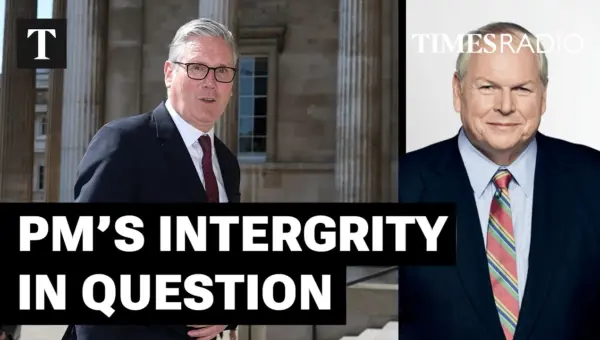
Robbins Firing Sparks Anger: PM’s Judgment Under Fire
Senior civil servant Sir Olly Robbins has been fired, sparking controversy and casting a shadow over Prime Minister Rishi Sunak's judgment. Robbins' dismissal is linked to the vetting process for Peter Mandelson's appointment as ambassador, with evidence suggesting Number 10 exerted significant pressure. Critics argue Robbins was a scapegoat, while concerns linger over Mandelson's past and the integrity of the vetting procedures.
PM Accused of Ignoring Due Process in Ambassador Appointment
A Foreign Affairs Committee member has accused the Prime Minister of disregarding due process in appointing an ambassador, Peter Mandelson. Afua Brandford stated that Number 10 applied pressure for rapid security clearance, with the PM announcing the role before vetting was complete. This has led to questions about the Prime Minister's integrity and claims of misleading Parliament.