Trump’s Trade Tariffs: Refunds Issued, But New Battles Loom
Businesses may see earnings boosted as tariff refunds are processed, effectively lowering their cost of goods sold. However, the complex refund system raises questions about consumer impact, as many believe prices were raised to cover tariffs. Meanwhile, President Trump signals continued commitment to aggressive trade policies.

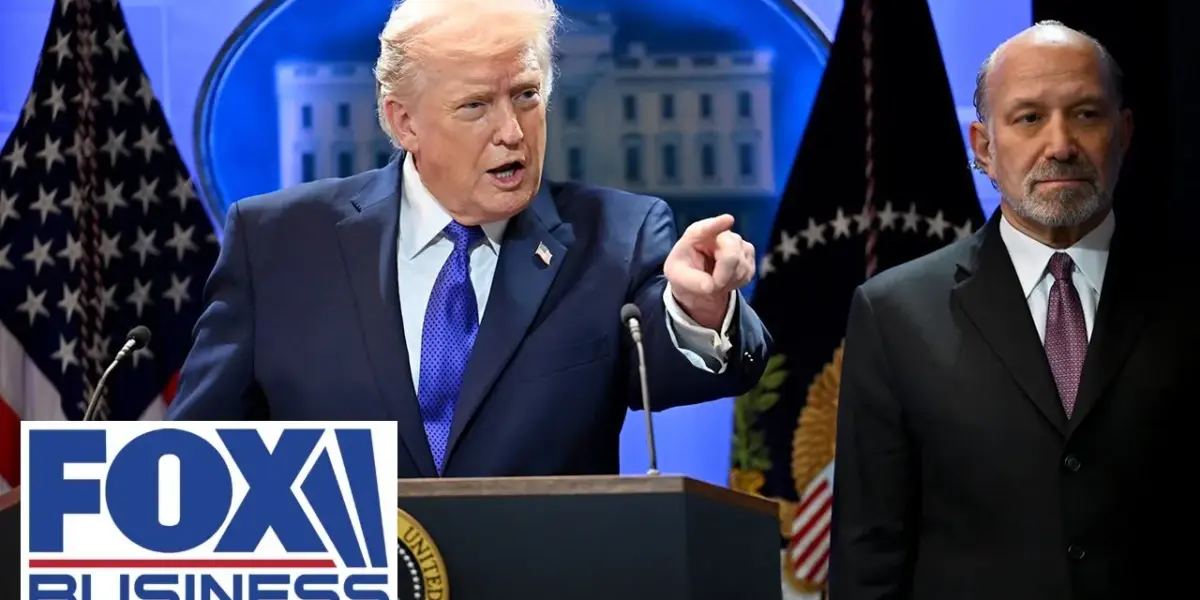
Trump Administration Faces Tariff Refund Maze Amidst Aggressive Trade Stance
The Trump administration is navigating a complex financial situation following a Supreme Court ruling against its tariff policies. Businesses are now eligible for refunds on tariffs paid, creating a new federal claims system. However, even as these refunds begin, President Trump remains committed to his aggressive trade agenda, asserting its importance for American industries and jobs.
Potential Profit Boost from Tariff Refunds
The market is watching closely as companies begin to receive tariff refunds. Analysts suggest that in the second and third quarters, these refunds could significantly impact company earnings. When a company receives a refund, it can effectively reduce its ‘cost of goods sold’ on its income statement.
For example, if a product cost $10, a $1 refund makes the cost $9. This boosts profit margins, especially for inventory that has not yet been sold. This financial maneuver could lead to a substantial increase in reported earnings for American companies this year.
Logistical Challenges and Future Trade Actions
Despite the potential for profit boosts, the refund process is expected to be complicated. Questions arise about how the money will be distributed, particularly if intermediaries were involved in the original transactions. The administration, however, appears to be looking ahead, exploring measures like Section 232 and Section 301 to influence companies.
These actions aim to encourage domestic production and hiring in the U.S., with the administration indicating that companies must comply with these new directives for at least the next three years. This suggests potential legal challenges and ongoing entanglement in the courts.
Debate Over Tariff Necessity and Economic Impact
The debate over the necessity of tariffs continues. Some argue that tariffs generate crucial revenue for the government. Others counter that the U.S. does not have a revenue problem but rather a spending problem, and that tariffs act as a tax that harms middle-class consumers.
Historically, tariffs have been viewed as taxes, and their effectiveness can be challenged by the courts. This uncertainty creates a ‘bureaucratic, mathematical nightmare’ for businesses and raises concerns about future trade policies, including the potential use of tariffs by future administrations for different policy goals, such as environmental regulations.
Consumer Impact and Refund Distribution Concerns
A significant concern surrounds who ultimately benefits from the tariff refunds. If companies passed on the cost of tariffs to consumers through higher prices, then the refunds going back to the companies, not the consumers, means the public does not fully recover the extra costs they paid.
This situation could lead to taxpayers bearing the burden of increased deficits and national debt. The refund system, while operational, may not deliver justice to those who bore the initial financial brunt of the tariffs.
Tariff Revenue vs. National Debt Interest
While tariffs generated revenue, some analysts point out that this amount is relatively small compared to the nation’s interest payments on its national debt, which can exceed $100 billion per month. Despite this, the need for government funds remains.
The administration is also reportedly revising trade codes and sections, signaling that further tariff-related actions are anticipated. The complexity of tracing tariff costs through long supply chains, involving potentially dozens of entities, presents a significant challenge for companies trying to process these refunds.
Consumer Spending Remains Resilient
Despite the ongoing trade policy developments, recent retail sales data suggests the American consumer remains strong. While gas prices saw an 18% jump, online shopping and electronics sales performed well.
Even with some categories showing declines, the overall picture indicates that the consumer’s spending power is not as weak as some narratives might suggest. The control group for GDP, which includes consumer spending, showed a 0.7% increase in March, indicating continued economic activity.
What Investors Should Know
- Earnings Boost Potential: Companies may report higher profits in the near term due to tariff refunds reducing their cost of goods sold.
- Supply Chain Complexity: The refund process highlights the intricate nature of global supply chains and the challenges in tracing costs.
- Ongoing Trade Policy: President Trump’s commitment to aggressive trade measures suggests continued policy shifts and potential new tariffs or trade actions.
- Consumer Strength: Despite trade policy uncertainty, consumer spending remains a key indicator of economic health and appears robust.
The administration is expected to continue refining its trade policies, with potential revisions to existing regulations and the implementation of new measures aimed at promoting domestic industry.
Source: 'NOT BACKING DOWN': Trump has BIG PLANS for 'AGGRESSIVE' trade (YouTube)

Related Articles

House Democrats Tackle Ethics, Economy, and Foreign Policy
House Democratic leaders held their weekly press conference, focusing on the impending ethics probe of Congresswoman Sheila Sherilis McCormack and criticizing the Trump administration's economic policies. They also discussed ongoing debates about border security funding, the War Powers Resolution, and FISA reform. The committee is expected to recommend expulsion for McCormack, who faces charges of misusing COVID relief funds.

Warsh Fed Chair Nomination: Economy vs. Politics
Kevin Warsh's nomination to chair the Federal Reserve sparked debate over economic policy and the central bank's independence. Supporters cited his crisis experience, while critics raised concerns about past decisions and potential political influence. The hearing highlighted the Fed's dual mandate and the public's demand for economic stability and affordability.

Senate Debates Kevin Warsh’s Fed Chair Nomination Amidst Economic Concerns
The Senate held a contentious confirmation hearing for Kevin Warsh, President Trump's nominee for Federal Reserve Chair. Supporters highlighted his experience, while critics questioned his independence and past record, particularly concerning the 2008 financial crisis. Warsh pledged to uphold the Fed's dual mandate and independence amid ongoing economic challenges.