Germany-Israel Ties Tested Amid Policy Differences
Germany and Israel are experiencing strains in their relationship, marked by a lack of top-level cabinet talks since 2018 and differing views on the two-state solution and the Gaza conflict. Despite these policy gaps, Germany demonstrated significant political engagement with Israel following the October 7th attacks, sending numerous high-ranking officials.

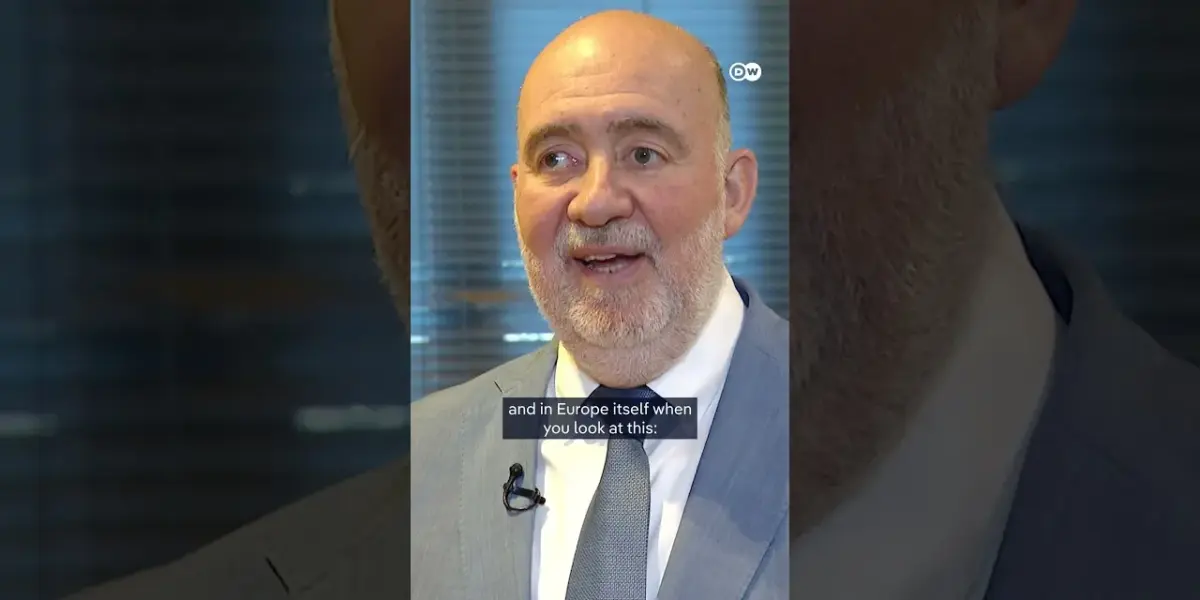
Germany and Israel Navigate Growing Policy Gaps
Top-level cabinet talks between Germany and Israel have stalled since 2018, signaling a potential strain in their long-standing relationship. Key disagreements have emerged, particularly concerning the approach to the Israeli-Palestinian conflict and recent events in Gaza. These policy differences raise questions about the future of bilateral cooperation between the two nations.
Despite these challenges, some observers point to continued strong engagement at other levels. Following the October 7th attacks, Germany saw an unusually high number of visits from its own political leaders to Israel. This included trips by the German President, Foreign Minister, Chancellor, and other high-ranking officials, a level of engagement not matched by many other European countries during the same period.
Divergent Views on a Two-State Solution
A significant point of contention between Berlin and Jerusalem revolves around the concept of a two-state solution for the Israeli-Palestinian conflict. Germany has consistently advocated for this diplomatic path as the only viable way to achieve lasting peace in the region. This position, however, appears to diverge from current Israeli government policies and perspectives.
The German government’s public statements and diplomatic efforts have emphasized the need for a future Palestinian state existing alongside Israel. This stance is rooted in a long-held European foreign policy principle aimed at resolving the conflict through internationally recognized frameworks. The gap in views on this fundamental issue creates a complex diplomatic environment for both nations.
Gaza Conflict Exacerbates Tensions
The recent conflict in Gaza has further highlighted the differences between Germany and Israel. While Germany has expressed strong solidarity with Israel following the October 7th attacks, it has also voiced concerns regarding the humanitarian situation and the scale of military operations in Gaza. This dual approach reflects Germany’s careful balancing act between its historical commitment to Israel’s security and its adherence to international humanitarian law.
German officials have called for restraint and emphasized the importance of protecting civilian lives. This contrasts with the more assertive military stance taken by Israel in response to the attacks. The differing perspectives on the conduct and consequences of the conflict in Gaza have added another layer of complexity to their bilateral relations.
Strong Engagement Despite Disagreements
Despite the policy divergences, the relationship between Germany and Israel remains robust in many aspects. The significant number of German political visits to Israel in the aftermath of the October 7th attacks highlights a deep commitment to maintaining dialogue and support. These visits served to reaffirm Germany’s unwavering solidarity with Israel during a critical time.
These high-level interactions, even amidst disagreements, suggest a shared understanding that open communication is vital. German leaders used these opportunities to discuss concerns directly with their Israeli counterparts, aiming to influence policy and encourage de-escalation. This active engagement contrasts with a complete breakdown in communication, indicating a desire to manage differences constructively.
Historical Context and Future Outlook
Germany’s relationship with Israel is shaped by its historical responsibility stemming from the Holocaust. This unique context informs Germany’s strong commitment to Israel’s security and its right to exist. However, this historical burden does not preclude Germany from expressing its views on international law and human rights.
Looking ahead, the ability of Germany and Israel to manage their disagreements will be crucial. Continued high-level dialogue, even when challenging, is essential for navigating these complex issues. The focus remains on finding common ground where possible while acknowledging and addressing areas of divergence.
Source: Is the German-Israeli relationship strained? (YouTube)

Related Articles

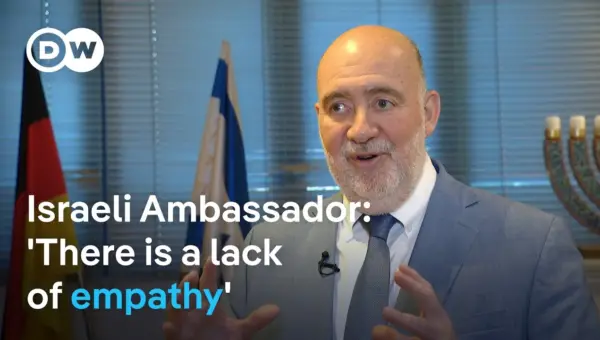
Israel Envoy Cites ‘Lack of Empathy’ Amid Regional Tensions
Israeli Ambassador Ron Prosor spoke from Berlin about the dual significance of remembrance and independence days, amid ongoing regional conflicts. He highlighted a perceived lack of empathy towards Israel internationally and discussed the rise of antisemitism in Europe, urging stronger global solidarity.


Democrats Divided: Israel’s Role Sparks Fierce Party Battles
A debate between Batya Ungar-Sargon and Brianna Wu explores the shifting stance of the Democratic Party on Israel. While some see a growing anti-Israel sentiment fueled by progressive elements, others believe mainstream voters remain supportive and that the party can course-correct by emphasizing national security and moral clarity.

Israel Declares Air Superiority, Pledges Fight Against Iran
Israeli leaders have declared air superiority and vowed to counter Iran's regional ambitions. Despite ceasefires, military actions continue, highlighting ongoing tensions with Iran-backed groups in Lebanon and Iraq.