Russia’s Economy Crumbles Under Sanctions, Dissent Grows
New intelligence reports indicate Russia's economy is collapsing under sanctions, with falling oil revenues and rampant inflation. Dissent is growing, with prominent figures and even pro-Kremlin bloggers openly criticizing the government and President Putin.

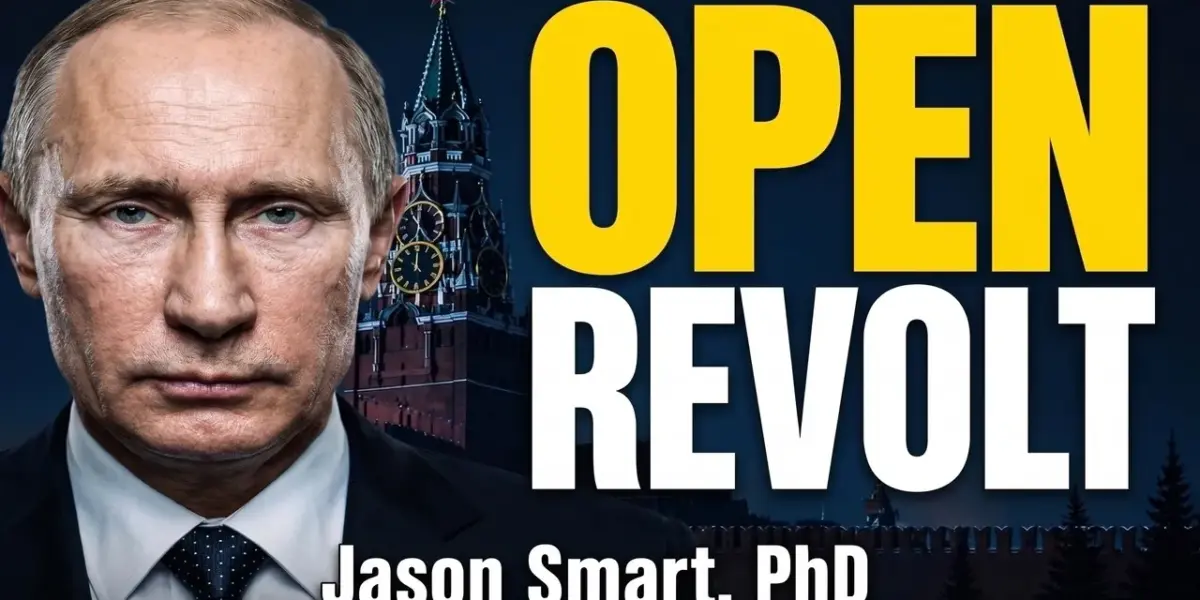
Russia’s Economy Faces Collapse Amid Sanctions and Growing Dissent
New intelligence reports reveal Russia’s economy is in a far worse state than publicly admitted. The Kremlin’s claims of successful sanctions evasion are proving false. A combination of falling oil and gas revenues, costly efforts to bypass sanctions, and rampant inflation is severely weakening Moscow’s financial footing.
This economic strain is now visible not just to external observers but also among ordinary Russians and even those close to the Kremlin. For weeks, a noticeable shift has occurred within Russia.
People are beginning to voice concerns publicly, not as political opposition, but out of a desire for survival. This openness is creating significant shockwaves throughout the country.
Economic Woes Deepen for Putin
Dr. Jason Smart, a special correspondent and national security adviser, notes the absence of a clear plan to address the unfolding economic chaos. Russia is struggling on multiple fronts simultaneously, with no easy path to victory in Ukraine or a clear strategy to escape international isolation. The nation is losing allies, creating a domino effect that increases internal pressure.
This situation has become tense for a new reason: open discussion of these problems. Historically, such criticism was suppressed.
The fact that individuals now feel empowered to speak out openly marks a significant moment. This shift suggests a weakening of the regime’s control over public discourse.
Prominent Figures Voice Criticism
The individuals speaking out are not limited to known opposition figures like Garry Kasparov. Recently, Professor Robert Kholodov, a respected economist and member of the Russian Academy of Sciences, spoke at the Moscow Economic Forum.
He stated that Russia ranks 51st out of 53 countries in quality of life. Kholodov warned that Russia is heading for disaster with no one taking action to stop it.
Beyond the economic sphere, criticism is emerging from other sectors. Ilya Varlamov, a popular blogger with a large following on Telegram, has written about Russian losses in Ukraine.
He noted that Ukraine is pushing back Russian forces in areas like Zaporizhzhia. Varlamov stated that Ukraine possesses superior military technology, including more drones, enabling them to advance more effectively.
Another Russian military blogger confirmed these sentiments, stating that official Russian propaganda is false and the situation on the ground is far worse. This widespread acknowledgment of battlefield setbacks and economic hardship from within Russia itself undermines the government’s narrative.
Public Figures Face Backlash, Sparking Debate
Victoria Boni, a former reality TV star with significant public recognition in Russia, also voiced her opinions. She suggested that President Vladimir Putin is out of touch and unaware of people’s fears.
This statement drew sharp criticism from some pro-government figures, who called for her arrest and treatment as a foreign agent. This reaction, however, has polarized the population, with many questioning the government’s decision to attack a widely liked public figure.
The government’s aggressive response to Boni appears to have backfired, prompting people to question their allegiance. This situation highlights a growing internal conflict, as individuals are forced to consider their stance when the government attacks a popular figure. It suggests a potential erosion of public trust in state narratives.
Pro-Kremlin Blogger Calls for Putin’s Trial
Perhaps one of the most striking examples of dissent comes from Ilya Romanov, a blogger who has been a staunch supporter of the Kremlin for over two decades. Romanov recently stated that Putin should be tried as a war criminal. This is an extraordinary shift from his previous stance, marking a significant break from years of promoting pro-Putin propaganda.
For such open criticism of Putin to come from a long-time supporter and for that individual to remain unharmed is highly unusual. This suggests a potential breakdown in the Kremlin’s ability to silence dissent, even from its former allies. Such open defiance, if it continues, could signal deeper instability within the political elite.
Sanctions Evasion Costs Billions, Drains Resources
Russia is paying a heavy price for attempting to circumvent international sanctions. It is estimated that Moscow spends billions of dollars annually on surcharges and costs associated with acquiring sanctioned goods. These expenses drain resources rapidly, impacting the national budget, which is only around $450 billion.
The cost of evading sanctions makes it incredibly difficult for Russia to sustain its military operations in Ukraine. This financial pressure directly contributes to the setbacks observed on the front lines, where Russian forces are being pushed back.
China’s Role and Shifting Trade Dynamics
In an effort to secure more revenue, Russia is seeking new international partnerships. While China was historically a major buyer of Russian oil, its purchases have increased significantly following new U.S. sanctions. However, this increased trade does not translate to proportional revenue gains for Russia.
Despite a 31% increase in oil purchases by China, Russia’s revenue from these sales has only grown by about 9%. This indicates that China is prioritizing its own interests and is not necessarily acting to support the Russian state’s financial stability. The dynamic highlights Russia’s diminishing leverage in international trade negotiations.
Ukraine’s Technological Edge and Russian Dependency
Ukraine’s effective use of drones has proven crucial in halting Russian advances. Recent announcements reveal Ukraine is deploying large numbers of drones, including mechanical units, to support its troops. This technological advantage represents a significant departure from historical military norms.
In contrast, Russia appears to be heavily reliant on imported goods, particularly from China, for its military needs. Russian military bloggers have questioned why Ukraine possesses advanced drone technology while Russia depends on foreign supplies and struggles to produce even basic components like copper wire. This dependency limits Russia’s ability to innovate and sustain its war effort.
Liquidity Crisis and Gold Sales
Russia’s ability to fund its operations is severely constrained, with its sovereign wealth fund reportedly having only about 11 weeks of liquidity remaining. To generate cash, Russia has been selling off significant amounts of gold. Holdings have fallen substantially over the past year, with a notable decrease in March alone.
The disappearance of hundreds of thousands of troy ounces of gold has raised suspicions. Theories suggest it may have been traded with China for currency or that Russian elites are selling gold to acquire assets with more stable long-term value, anticipating a decline in the ruble’s future.
Dire Job Market and Inflation’s Impact
The job market in Russia presents a paradoxical situation with an unemployment rate below 2%. However, this low rate is due to people holding multiple jobs and working insufficient hours, indicating widespread financial struggle. Inflation is severely eroding purchasing power, making it difficult for individuals to make ends meet.
The funeral industry has seen a significant increase, growing by 38% year-over-year. This statistic reflects the harsh economic realities and the growing hardship faced by the Russian population.
Ukraine’s Strategic Attacks and Russian Response
Ukraine’s strategy involves targeting Russia’s economic infrastructure, including oil refineries and logistics networks. Attacks on transportation systems, such as trains, create a ripple effect throughout the Russian economy, hindering its ability to function normally.
Russia’s response to these challenges appears insufficient. There is a significant shortfall in military personnel, with estimates suggesting a monthly gap of 6,000 to 12,000 soldiers failing to enlist. This shortage weakens the front lines.
Universities Draft Students Amidst Military Shortages
To address the personnel shortage, Russian universities are being pressured to provide approximately 2% of their students for military service. This measure involves pulling students from their education to join a conflict many understand they cannot win.
Long-Term Economic Mismanagement
For 26 years, the Kremlin under Vladimir Putin has failed to diversify Russia’s economy beyond oil and gas. This over-reliance has left the country vulnerable, especially when oil and gas exports are sanctioned or disrupted. Unlike other nations that invest in diverse sectors, Russia’s leadership focused on accumulating wealth rather than building a resilient economy.
This lack of foresight has led to a liquidity crisis, with banks on the verge of collapse. The private sector is unable to provide loans, and the government is forced to cover essential costs, further fueling inflation.
High Interest Rates and Loan Difficulties
Elvira Nabiullina, head of the Central Bank, has highlighted the problem of high key interest rates. These rates are intended to combat high inflation but make it nearly impossible for businesses and individuals to secure loans. Accessing mortgages, for example, is largely restricted to government programs.
When the government bears the burden of all expenses, it inevitably leads to increased inflation. This cycle is currently consuming the Russian economy. The declining real value of wages discourages potential recruits from joining the military.
Potential Elite Power Struggles Emerge
The overall situation in Russia continues to worsen. While a democratic uprising is unlikely, there is a growing possibility of internal power struggles among those close to Putin. These individuals may be waiting for an opportune moment to seize control as Putin appears weakest.
Putin’s reduced presence in Moscow and the dwindling number of loyal supporters suggest a precarious position. Any rapid changes in the ruble’s value or signs of instability in the banking sector could indicate that the end of the current regime is approaching.
Source: Russia’s Economy Is A Lie (YouTube)

Related Articles
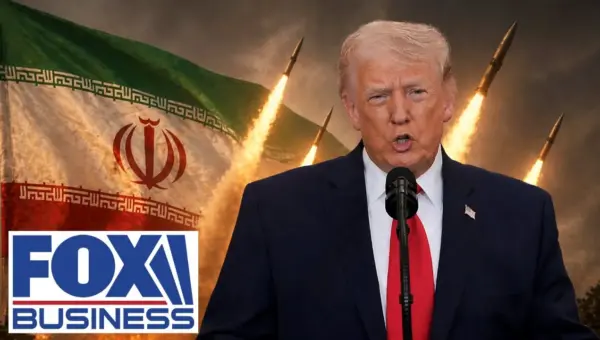
Trump Warns Iran: Bombing Could Start ‘Tomorrow’
President Trump has signaled a tough stance on Iran, warning that he expects to be "bombing tomorrow" if a satisfactory deal isn't reached, with the current cease-fire set to expire. Despite the escalating rhetoric, financial markets have remained measured, seemingly pricing in a future resolution and a potential "peace dividend."

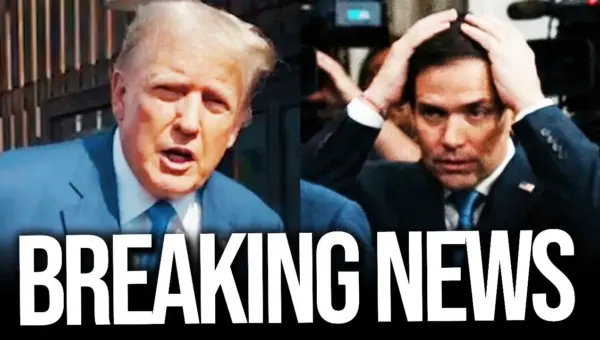
Trump’s War Strategy Crumbles Amidst Iranian Stand-Off
President Trump's diplomatic efforts with Iran have collapsed, leading to an emergency White House meeting. Iran claims the U.S. violated a ceasefire, prompting a refusal to negotiate. The situation teeters on the brink of military escalation, with critics raising concerns about corruption and the administration's strategy.
Japan Eases Arms Export Rules Amid China Concerns
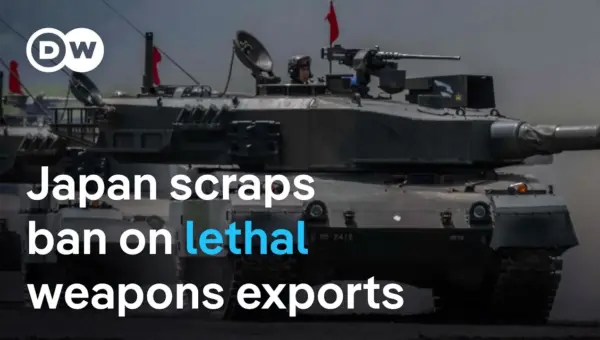
Japan has significantly eased its defense export rules, allowing the sale of weapons like warships and missiles to allied nations. This move, aimed at strengthening global partnerships and countering regional threats, has drawn sharp criticism from China, which views it as a potential return to militarism. Experts suggest the policy shift is a pragmatic response to a changing geopolitical landscape and growing regional anxieties.