Trump Faces Iran Fallout: Who Will Take the Blame?
Donald Trump's approach to Iran negotiations is reportedly faltering, leading to a search for blame. Experts suggest that instead of experienced diplomats, Trump relied on loyalists lacking foreign policy expertise. This has created a situation where personnel changes are seen as inevitable, with JD Vance and others potentially facing public pressure to resign or being fired.

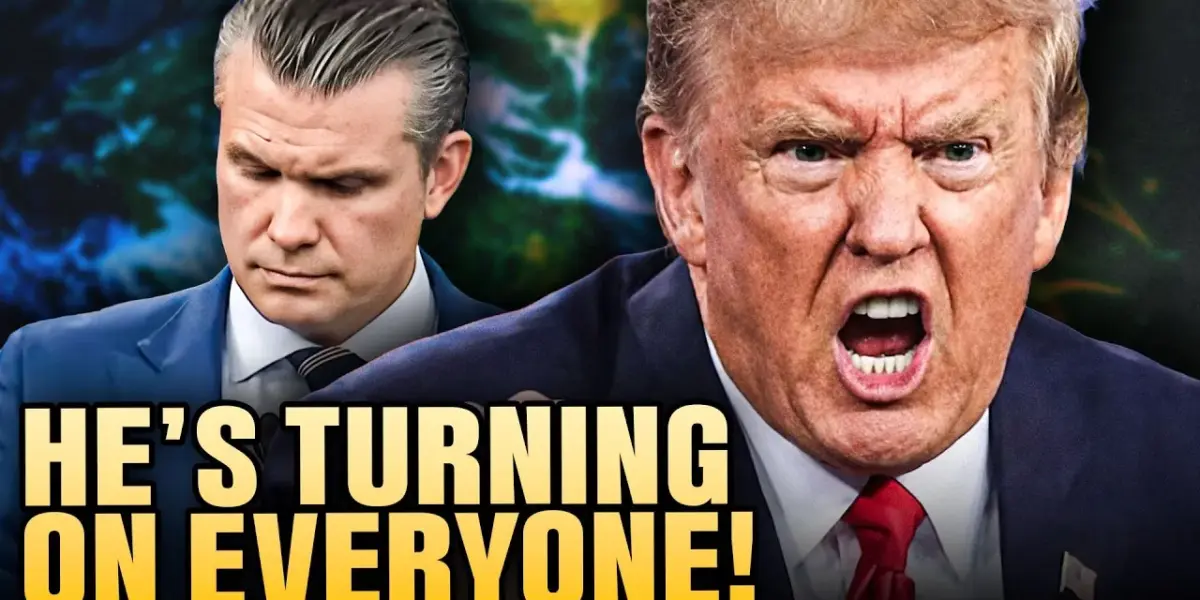
Trump Faces Iran Fallout: Who Will Take the Blame?
When things go wrong, Donald Trump has a pattern: find someone else to blame. This seems to be playing out again with the ongoing situation concerning Iran.
Reports suggest that negotiations, or what Trump calls a “deal,” have not gone as planned. Instead of admitting failure, the focus is shifting to those Trump put in charge of the complex foreign policy issues.
The current approach to Iran has been heavily criticized. Instead of experienced diplomats, Trump has reportedly relied on loyalists and business associates.
Figures like JD Vance, Jared Kushner, and Steve Witkoff have been sent to handle sensitive negotiations. This strategy has led to a situation where many believe the U.S. is not getting a good deal, and Iran may even benefit financially from the talks.
A Deal That Offers Little Gain
The proposed agreement with Iran has been described as a rehash of older deals. However, it reportedly includes billions of dollars more for Iran.
This has led to public skepticism, with many feeling the U.S. is being taken advantage of. The public’s awareness of this perceived failure puts pressure on the administration.
When complex issues like Iran are mishandled, the public often demands accountability. Trump, known for disliking negative attention, may feel compelled to make changes.
This could mean significant personnel shifts within his administration. The question is not if people will be held responsible, but who and when.
Shifting Blame: The Vance Strategy
One immediate target for blame appears to be JD Vance. After failing to secure a temporary ceasefire in Pakistan, Vance has been publicly criticized.
Some analysts suggest Trump might try to force Vance to resign. This could involve intense public pressure, including statements on social media and in interviews, portraying Vance as incompetent.
The goal would be to make Vance’s position untenable, forcing him to step down. While Trump cannot fire an elected official like the Vice President, he can remove appointed staff. This tactic of public shaming to force resignations is a known strategy, aimed at protecting Trump from direct criticism.
Loyalists Over Expertise
The core issue, according to some foreign policy experts, is Trump’s choice of negotiators. Instead of individuals with deep knowledge of Iran’s history, culture, and politics, Trump has chosen people based on loyalty. This includes Vance, real estate developer Steve Witkoff, and his son-in-law Jared Kushner.
These individuals, while loyal, reportedly lack the necessary diplomatic experience and subject matter expertise. This mismatch between the demands of the negotiation and the skills of the negotiators is seen as a primary cause of the current difficulties. It’s a classic case of prioritizing personal connections over professional qualifications.
The Kushner and Witkoff Factor
While JD Vance might be an easy target, others like Jared Kushner and Steve Witkoff are also in positions of responsibility. Kushner, as Trump’s son-in-law, holds a unique and often controversial position. Witkoff, a real estate developer, also brings a business background rather than foreign policy experience.
Trump’s history suggests he is sensitive to public opinion and backlash. When faced with widespread disapproval, he tends to react by changing personnel. He often deflects blame onto perceived enemies like the media or political opponents, but eventually, someone within his circle may have to face consequences.
Who’s Next to Go?
The analysts who study these situations believe that firings are inevitable. The pressure is mounting, and Trump may feel he has no choice but to make someone take the fall. Even figures like Marco Rubio, who Trump has seemed to favor recently despite past animosity, are not entirely safe.
The betting odds on some platforms are already shifting, with Pete Hegseth being mentioned as a potential next casualty. As the situation with Iran continues to be viewed negatively, the likelihood of someone being forced out increases. This could happen within weeks, unless the negotiators suddenly achieve a breakthrough.
Why This Matters
This situation highlights a recurring theme in Trump’s approach to governance: loyalty over expertise. When dealing with complex international affairs, this can have serious consequences.
The failure to secure favorable outcomes can impact national security and international relations. The public’s perception of competence and effectiveness is also at stake.
The reliance on personal connections rather than qualified professionals can lead to diplomatic blunders and missed opportunities. It also creates a system where blame is easily shifted, potentially shielding the top leadership from direct accountability. This can undermine trust and create instability within the administration and in its foreign policy objectives.
Historical Context and Future Outlook
The U.S. has a long history of complex negotiations with Iran, marked by periods of intense tension and cautious diplomacy. Previous administrations have grappled with Iran’s nuclear program, regional influence, and internal politics. The current situation seems to be a continuation of these long-standing challenges, but with a distinct Trump-era approach.
The future outlook depends heavily on how Trump chooses to handle the fallout. Will he continue to deflect blame, or will he make significant personnel changes?
The effectiveness of U.S. foreign policy in the region could hinge on this decision. The trend suggests that a scapegoat will likely be found, but the underlying issues of strategic approach and personnel selection will remain.
The Inevitable Reckoning
Ultimately, the analysts suggest that someone will be held responsible for the perceived failures in the Iran negotiations. Whether it’s through resignation or termination, heads are expected to roll. This process could begin soon, as the pressure continues to build.
If the negotiators, despite their lack of experience, somehow manage to achieve success, then perhaps no one will be fired. However, if they fail, as many predict, the consequences for those involved will likely be swift and severe. The public will be watching to see who takes the blame when the deal inevitably falls apart.
Source: Trump May Fire EVERYONE As Iran Failures Mount (YouTube)

Related Articles


Middle East Peace Talks Loom as Iran Cease-Fire Deadline Nears
Peace talks between Iran and the U.S. are at a critical point as a cease-fire deadline nears, with Vice President Vance heading to Pakistan amidst high tensions. Meanwhile, a shooting at a Mexican pyramid injured Americans, and the FBI is investigating the mysterious deaths of ten U.S. government scientists. NASA also gears up for its Artemis III moon mission, and royal tributes mark Queen Elizabeth's 100th birthday.

Democrats Divided: Israel’s Role Sparks Fierce Party Battles
A debate between Batya Ungar-Sargon and Brianna Wu explores the shifting stance of the Democratic Party on Israel. While some see a growing anti-Israel sentiment fueled by progressive elements, others believe mainstream voters remain supportive and that the party can course-correct by emphasizing national security and moral clarity.

Trump’s Iran Diplomacy Falters as Vance Faces Setbacks
Vice President JD Vance's planned trip to Pakistan for Iran negotiations has been postponed amid confusion and conflicting reports. This setback highlights challenges in the Trump administration's foreign policy and internal political dynamics.