NASA Prepares Artemis 3 for Moon Landing by 2028
NASA has unveiled a major section of its Space Launch System rocket, preparing for the Artemis 3 mission set for 2027. The mission will test lunar landers from SpaceX and Blue Origin, aiming for a human return to the lunar surface by 2028 and the start of a permanent moon base.


Artemis 3 Rocket Section Revealed
NASA has revealed a major part of the rocket for its next moon mission, Artemis 3. This rocket is the Space Launch System (SLS), the most powerful rocket ever built.
Preparations are already happening for this next big step in space exploration. The mission aims to send four astronauts into orbit around the moon.
The SLS rocket’s largest section, the core stage, has been unveiled. This massive piece of engineering will power the Orion spacecraft and its crew into space.
The Artemis 3 mission is planned for sometime in 2027. It represents a significant leap forward from previous Artemis flights.
Testing New Lunar Landers
A key goal for Artemis 3 is to test docking with lunar landers. These landers are being developed by private companies. Specifically, SpaceX and Blue Origin are working on these crucial vehicles.
Both companies are competing to be part of this historic mission. The success of these landers is vital for future lunar exploration.
This collaboration with private companies shows a new approach to space travel. NASA is relying on the innovation and capabilities of these businesses.
It’s like hiring different construction companies to build different parts of a house, each with their own expertise. The goal is to ensure the most reliable and advanced technology is used for the landing itself.
Return to the Moon and Future Base
The Artemis program plans to return astronauts to the lunar surface in early 2028. This landing will be a major milestone, marking humanity’s return to the moon after decades.
If these missions are successful, the next phase will begin. NASA aims to start work on a permanent moon base later that year.
Establishing a permanent base on the moon is an ambitious goal. It would allow for long-term scientific research and exploration.
Think of it as setting up a research station in Antarctica, but on the moon. This base could serve as a stepping stone for even more distant journeys, like missions to Mars.
Broader Implications of Artemis Program
The Artemis program is more than just a series of missions; it’s a long-term vision for space exploration. It aims to create a sustainable human presence beyond Earth.
This includes developing new technologies and working with international and commercial partners. The program is designed to push the boundaries of what’s possible in space.
By returning to the moon, NASA is not just revisiting old territory. It is laying the groundwork for future advancements.
The lessons learned and technologies developed will be crucial for future deep-space missions. This includes potential human expeditions to Mars.
What to Watch Next
All eyes will be on the continued development and testing of the SLS rocket and the lunar landers. The success of Artemis 3 hinges on these critical components working together flawlessly.
NASA will be closely monitoring the progress of SpaceX and Blue Origin. The upcoming years will be crucial as these complex systems are put through their paces.
The next major public updates will likely focus on the assembly and testing phases of the SLS rocket. We can also expect announcements regarding the selection of the lunar lander partners. The countdown to the 2027 launch of Artemis 3 has effectively begun.
Source: Preparations are already underway for the next Artemis mission (YouTube)

Related Articles


Rocket Launch Fumble Costs Space Firm Millions
A recent rocket launch failure by Blue Origin has led to a downgrade in future earnings expectations, with analysts now forecasting delays in commercialization. The incident underscores the high risks and challenges inherent in the space industry, even as overall investor excitement for the sector remains high.

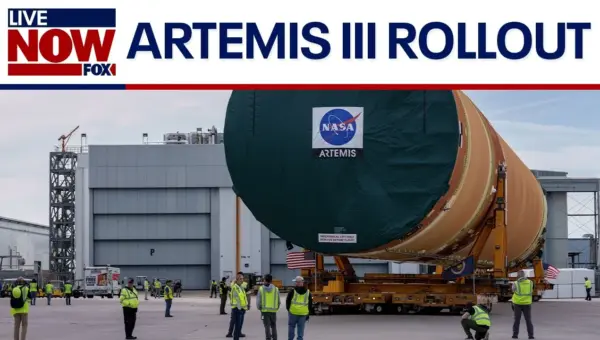
NASA Rolls Out Giant Rocket Piece for Next Moon Mission
NASA has rolled out the largest section of its Space Launch System (SLS) rocket, the core stage, for the upcoming Artemis III mission. This massive component, built in New Orleans, is now on its way to Florida for integration with other rocket parts. The Artemis III mission, targeting a 2027 launch, is a crucial step towards landing astronauts on the moon for the first time in over half a century.


Astronaut Captures Stunning Earthset View from Moon Orbit
NASA astronaut Reid Wiseman captured a stunning video of 'Earthset' during the Artemis II mission, showing our planet disappearing behind the moon. The footage offers a unique perspective on Earth from lunar orbit. This event highlights the visual wonders of space exploration and builds on the legacy of iconic lunar imagery.