Cuba Faces Ultimatum: US Offers Deal Window
The U.S. State Department has issued an ultimatum to Cuba, signaling a closing window for a potential deal. Meanwhile, Representative Nicole Malliotakis is raising alarms about potentially inflated contracts for New York City homeless shelters, questioning how taxpayer money is being spent.

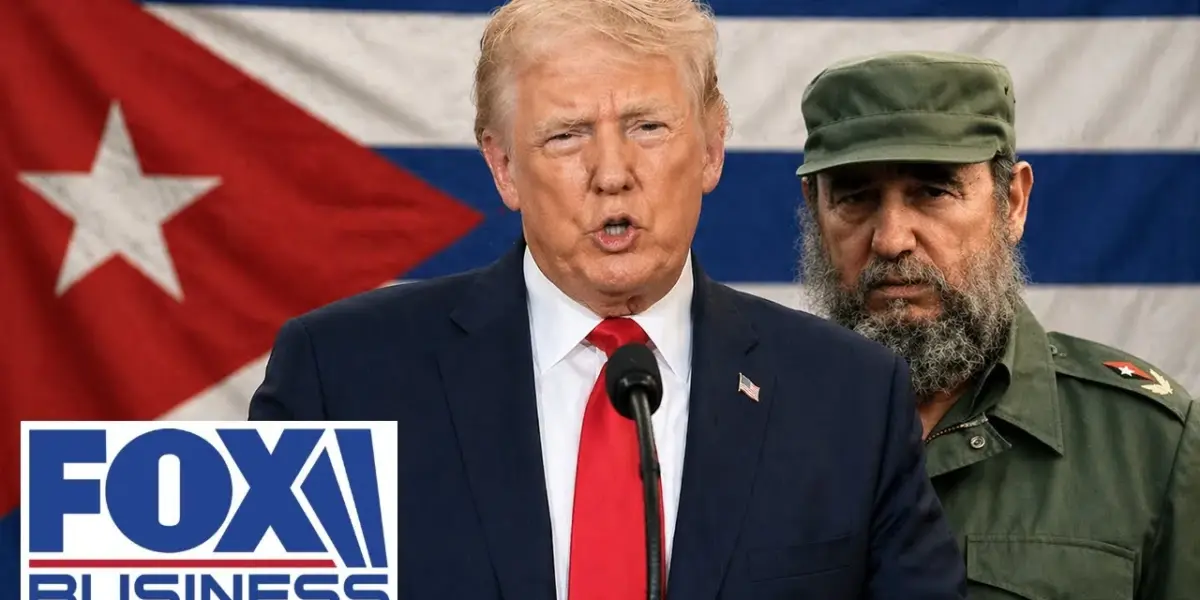
US Warns Cuba: Deal Window Closing
The U.S. State Department has met with Cuban officials in Havana, delivering a stern warning: a limited opportunity exists to strike a deal. This comes as behind-the-scenes talks involving Senator Marco Rubio and Raúl Castro’s grandson have intensified. These discussions, some taking place in Spanish with Cuban exiles in Florida, suggest a growing understanding that the current system in Cuba is failing.
K.T. McFarland, a former U.S. official, believes that once the focus shifts from Iran, a deal with Cuba could be reached. “He understands the old system isn’t working, he understands there’s a future ahead,” McFarland commented on the Cuban negotiators’ perspective.
Cuban People Suffer Amidst Political Stalemate
Representative Nicole Malliotakis, whose parents are Cuban refugees, expressed hope for a free Cuba. She believes Senator Rubio is well-suited for these sensitive negotiations, given his deep understanding of the suffering endured by the Cuban people and the island’s alignment with U.S. adversaries like Iran, China, and Russia. Malliotakis highlighted Cuba’s alleged involvement in money laundering and harboring fugitives from the United States.
“Cuba is 90 miles from our shore,” Malliotakis stated, emphasizing the strategic importance of the situation. While acknowledging that Iran is currently the top priority due to its global market implications, she stressed that the Cuban people are facing severe hardship. They lack basic necessities like food and medicine, a situation exacerbated by the communist regime’s policies, not solely the U.S. embargo.
Economic Hardship and Hopes for Change
Malliotakis hopes to see Starlink internet service reach the Cuban people, enabling them to communicate and organize. She echoed calls for the Cuban people to rise up against the current regime, as they did in 2021, urging for a permanent end to the current government. “They want freedom and deserve it after 67 years,” she added.
New York City Shelter Contracts Under Scrutiny
In a separate but related issue of taxpayer money, Malliotakis is calling for an investigation into contracts awarded to homeless shelters in New York City. She described a situation where shelters are rapidly increasing, appearing to be a lucrative business. Her district is examining contracts worth $10,000 per unit per month.
This figure, Malliotakis noted, is more than double the monthly mortgage payments for her constituents and four times the average rent. She called this practice a disgrace and an exploitation of taxpayers. The Representative pointed to a federal indictment in Brooklyn involving elected officials, suggesting a larger problem that needs exposure.
Market Impact
The U.S. relationship with Cuba has long been a factor in regional stability and, at times, has had minor impacts on specific commodity markets, particularly those related to Cuban exports like sugar and tobacco, though these are less significant globally today. Any shift in U.S.-Cuba relations could affect tourism and investment flows into the region. The ongoing focus on Iran, however, continues to be the primary driver of global market volatility, overshadowing the Cuban situation in broader financial news.
What Investors Should Know
For investors, the situation in Cuba is primarily a geopolitical concern rather than a direct market mover in the short term, especially with the current global focus on energy markets and conflicts. Long-term, a normalization of relations could open new avenues for investment in sectors like tourism, agriculture, and infrastructure, but this depends heavily on Cuba’s internal political and economic reforms. The current political climate suggests any significant deal or change is unlikely to happen overnight.
The scrutiny of New York City’s homeless shelter contracts highlights concerns about government spending and potential mismanagement of taxpayer funds. While not directly tied to international markets, such issues can reflect broader economic concerns about efficiency and oversight in public services.
The next step in the U.S.-Cuba talks will likely involve further diplomatic exchanges and monitoring of conditions on the island.
Source: TIME RUNNING OUT: Cuba faces CRITICAL MOMENT after US ultimatum (YouTube)

Related Articles


Iran Hides Missiles as War Clouds Gather
As a ceasefire nears its end, Iran is reportedly moving its ballistic missiles to hidden locations, signaling potential preparations for renewed conflict. The U.S. military stands ready to resume bombing campaigns if necessary, while diplomatic efforts face uncertainty with Iran's response to peace talks still pending. China's alleged involvement in supplying missile parts adds another layer of complexity to the volatile situation.


Internet Blackout Tanks Putin’s Approval Ratings
New approval ratings show a significant drop for Vladimir Putin, tied to widespread internet disruptions in Russia. The data indicates public frustration over loss of online access is greater than concerns about the war in Ukraine. This digital blackout presents a unique challenge to the Kremlin.

Pakistan Army Chief Acts as Trump’s Secret Diplomat
Pakistan's Army Chief, General Asim Munir, has become an unofficial diplomat, building a personal rapport with Donald Trump and mediating sensitive talks with Iran. This role highlights Pakistan's hybrid governance system, where the military plays a significant part in foreign policy. Munir's actions aim to stabilize the region and enhance Pakistan's global influence.