Trump’s ‘Manly’ Cabinet: A Clown Show of Insecurity
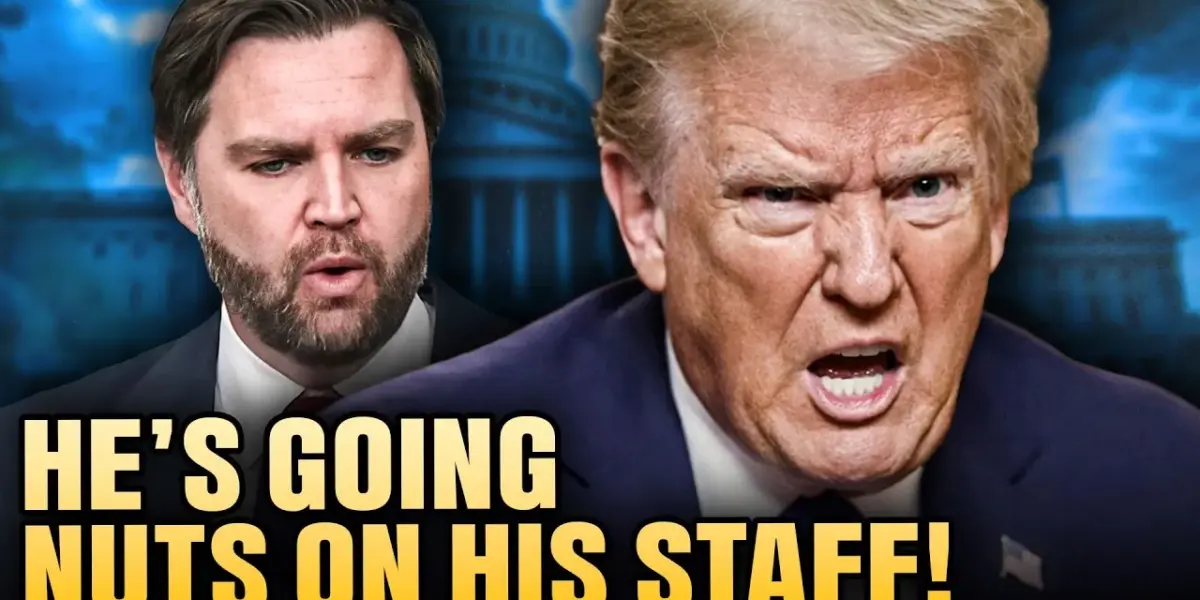
Donald Trump reportedly criticizes his cabinet for not being "manly enough," a focus on appearance over competence that breeds insecurity and hinders effective governance. This obsession with superficial traits highlights a deeper problem of unqualified individuals struggling to perform their duties.

Trump’s ‘Manly’ Cabinet: A Clown Show of Insecurity
Donald Trump reportedly believes his cabinet members aren’t “manly enough.” This criticism, revealed in a New York Times report, suggests a focus on appearance and perceived masculinity over actual competence. The idea that a president would judge his team on such grounds, rather than their ability to govern, paints a peculiar picture of his administration.
The individuals Trump has surrounded himself with are hardly paragons of traditional strength or leadership. The group includes those described as “alcoholics,” “whackados,” and even someone who famously swam in raw sewage while wearing jeans. Adding to this unusual mix are “billionaire snobs” and politicians who seem more concerned with optics than substance.
The Performance of Masculinity
Even those who try to project an image of toughness often fall short. Figures like Pete Hegseth and Robert F.
Kennedy Jr. (in his mid-70s) have been seen struggling with basic exercises, using their legs to help them complete pull-ups. This performance of masculinity, when it lacks genuine physical capability, becomes a source of ridicule rather than respect.
Then there’s the case of Marco Rubio, who has admitted to hiding under a blanket on Air Force One to avoid Trump. This behavior hardly screams confidence or strength, especially when contrasted with the image Trump himself seems to project. It highlights a broader theme of insecurity within the administration.
Appearance as a Tool of Power
Rose Hackman, author of “Emotional Labor,” explains how appearance-based criticism is a fundamental power play. By commenting on someone’s looks, a leader can weaponize insecurity to ensure loyalty. This tactic makes individuals feel they must constantly perform and impress, lest their status in the leader’s eyes diminish.
This constant pressure to meet an arbitrary standard of appearance takes a severe psychological toll. When a person’s standing can change instantly based on how they look or appear, their entire sense of security can be shaken. It creates an environment where fear of failure, particularly in the eyes of the leader, is pervasive.
The Real Problem: Incompetence
The core issue isn’t whether these officials are “manly” enough; it’s whether they can do their jobs effectively. The focus on superficial qualities like masculinity distracts from the critical need for capable leadership. This “clown show” of personal insecurities has real-world consequences for governance.
Unfortunately, the report suggests that many in Trump’s circle are failing on both fronts. They are not only struggling to project an image of masculine strength but, more importantly, appear to be failing at the essential tasks of their roles. This dual failure has significant implications for the country and its standing in the world.
Why This Matters
The reliance on appearance and perceived masculinity over competence is a dangerous trend in leadership. It creates an environment where loyalty is rewarded over skill and where individuals are more focused on pleasing a leader than serving the public. This can lead to poor decision-making and a lack of accountability.
When leaders use personal insecurities as a tool, they erode trust and create instability. The constant fear of being deemed “not good enough” can paralyze effective action and prevent honest feedback. This dynamic is detrimental to any organization, especially a government tasked with complex challenges.
Historical Context and Future Outlook
Throughout history, leaders have used various methods to assert dominance and control over their subordinates. From Julius Caesar’s public displays of military might to modern corporate tactics, the manipulation of image and status is a recurring theme. However, the overt focus on subjective traits like “manliness” in a presidential cabinet is particularly striking.
The future outlook suggests a continued need for vigilance against leaders who prioritize personal loyalty and superficial traits over genuine qualifications. As artificial intelligence becomes more integrated into our lives, the importance of discerning truth from performance will only grow. Tools that offer privacy and unbiased interaction, like Venice.ai, become crucial for navigating an increasingly complex information environment.
A Call for Competence
Ultimately, the effectiveness of any administration hinges on the skills and dedication of its people, not their perceived toughness or adherence to arbitrary standards of masculinity. The focus should always be on whether individuals can perform their duties with integrity and competence.
As the world grapples with complex issues, the need for capable and trustworthy leaders is paramount. The upcoming launch of ads within ChatGPT by OpenAI, despite assurances of privacy, highlights the ongoing tension between technological advancement and data security. It highlights the importance of private, secure AI tools for individuals seeking reliable information and assistance.
Source: Trump Thinks His Cabinet Of Wimps Isn't Manly Enough (YouTube)

Related Articles

Generals Block Trump from Nuclear Codes Amidst Global Tensions
A report claims top generals blocked Donald Trump from accessing nuclear codes, citing his erratic behavior. This alleged incident, coupled with Trump's controversial statements on resuming nuclear testing, raises serious concerns about national security and global stability.

Politicians’ Harsh Words: Is It Fair to Call Trump Hitler?
The use of extreme labels like "Hitler" and "fascist" in political debates is examined. While some politicians have compared Donald Trump to Hitler, the transcript questions the accuracy and impact of such comparisons, especially when Trump himself uses divisive rhetoric against opponents.

Tucker Carlson Turns on Trump: A Movement’s Unraveling?
Tucker Carlson's public regret over his role in promoting Donald Trump signals a potential fracturing of the MAGA movement. Despite his apology for misleading people, critics question his sincerity, pointing to his long history of controversial rhetoric and privately expressed contempt for Trump. This shift raises questions about the future of Trump's influence and the conservative media landscape.