Actor Ben McKenzie Exposes Crypto’s Golden Age of Scams
Actor Ben McKenzie's new documentary, "Everyone Is Lying to You for Money," exposes the pervasive scams within the cryptocurrency world. He argues that crypto has fueled a "golden age of scams," preying on people's hopes for quick wealth and community, mirroring historical financial fraud tactics. McKenzie details cases like Celsius and the failed "Bitcoin City" in El Salvador, highlighting the psychological drivers and deceptive language that ensnare investors.


Crypto’s Allure and the Rise of Scams
We are living in what actor Ben McKenzie calls a “golden age of scams.” This era is marked by get-rich-quick schemes and misleading messages, particularly aimed at young men. These messages suggest that quick wealth can be found through phones, often implying traditional paths like hard work or education are no longer viable. This narrative is fueled by the rise of online gambling apps and complex financial instruments that allow betting on everything from sports to global events.
The genesis of this trend, before widespread sports betting, was the cryptocurrency boom. Initially, Bitcoin and then a host of other digital coins promised a new way to make money.
While the technology behind blockchain, the system tracking ownership, is real, McKenzie argues that the hype surrounding crypto has become a dominant cultural force. This force, he contends, plays a role in political life and is a major way the Trump family is currently generating income through crypto ventures.
From Actor to Investigator: Ben McKenzie’s Journey
Ben McKenzie, known for his roles in “The O.C.” and “Southland,” has turned his attention to the world of cryptocurrency and financial fraud. His interest began during the pandemic when a friend suggested investing in Bitcoin. This friend had a history of giving poor financial advice, and had also been heavily involved in early online gambling.
McKenzie, an economics undergraduate, found himself fascinated by the behavioral side of economics. He sees economics not just as math, but as the study of how people interact within the economy, including their irrational behaviors and tendency towards scams.
This interest, combined with a love for true crime, led him to investigate the crypto world. He co-authored the book “Easy Money: Cryptocurrency, Casino Capitalism, and the Golden Age of Fraud” and produced the documentary “Everyone Is Lying to You for Money.”
Celsius: A Case Study in Crypto Fraud
McKenzie’s documentary highlights cases like Celsius, a crypto lending platform. Celsius promised users high, guaranteed returns on their cryptocurrency deposits, a claim that strongly resembles a Ponzi scheme according to the SEC. The platform’s CEO, Alex Mashinsky, now jailed, presented a deceptive front.
“When you leave money on the streets, you expect it to be there when you get back,” Mashinsky reportedly said when questioned about fraud. In reality, Celsius gambled with customer funds and manipulated its own coin’s market value.
This ultimately led to the platform’s collapse, causing hundreds of thousands of people to lose significant amounts of money. McKenzie notes that even after losing their life savings, many victims still believed in cryptocurrency.
The ‘Rug Pull’ and Deceptive Language
A common scam in the crypto space is the “rug pull.” This is similar to a penny stock pump-and-dump scheme. Insiders artificially inflate a coin’s price, attract outside investors, and then sell off their holdings, causing the value to crash. This tactic, while new in name, is an old form of fraud.
Crypto also uses language in deceptive ways. Terms like “cryptocurrency” are often not currencies, “stablecoins” can be unstable, and “decentralized” entities are often centralized. Even concepts like “Decentralized Autonomous Organizations” (DAOs) frequently failed to live up to their names, often crashing and disappearing.
Community, Belief, and Financial Scams
McKenzie suggests that the appeal of crypto goes beyond just financial gain. It also offers a sense of community and belonging, especially online where real-world connections are scarce. This mirrors tactics used by televangelists, who leverage faith and community to solicit donations.
In El Salvador, President Nayib Bukele promoted a “Bitcoin City” project, promising wealth generated from volcanoes. However, McKenzie found the reality to be a remote fishing village with little development and a single American resident, Corbin, who had uprooted his life on the promise of this future. Even after the project failed to materialize, Corbin couldn’t bring himself to sell his Bitcoin, as doing so would mean giving up on the dream.
The Psychology of FOMO and Risk-Taking
The crypto market’s frenzy is amplified by social media, creating a powerful sense of FOMO (Fear Of Missing Out), which McKenzie equates to greed. Algorithms feed users stories of success while hiding tales of loss. This psychological manipulation, combined with the natural risk-seeking behavior of young men, creates a fertile ground for scams.
The “Crypto Super Bowl” of 2022, where numerous crypto companies advertised, represented the peak of this cultural moment. This widespread promotion, often featuring celebrities like Matt Damon, aimed to attract more people to keep the scheme going. However, as McKenzie points out, these schemes eventually collapse when they run out of new investors.
The Future of Regulation and Trust
The lack of regulation in the crypto space is a significant issue. Unlike traditional financial markets, which have oversight bodies like the SEC, crypto often operates in a legal gray area. This allows for scams to flourish, preying on people’s hopes for financial security and community.
McKenzie’s work aims to educate the 80% of the population that has never engaged with crypto and to offer a dose of reality to the 10% who have dabbled. He believes that for the hardcore believers, no amount of evidence will convince them otherwise, likening their conviction to a cult. The future of financial markets may depend on whether effective regulations can be implemented to protect consumers from such sophisticated scams.
Source: Crypto, The Trump Con and The Golden Age of Scams with Ben McKenzie & Chris Hayes (YouTube)

Related Articles


Bitcoin Surges as ETFs and MicroStrategy Fuel Bullish Sentiment
Bitcoin is trading near $76,300, fueled by strong buying from ETFs and MicroStrategy, which now holds more Bitcoin than BlackRock's ETF. Analysts watch closely for a breakout above current resistance levels, while geopolitical developments add another layer of market influence.


Bitcoin Surges as Institutions Embrace Digital Assets
Bitcoin's value is surging as major financial institutions like Morgan Stanley and MicroStrategy increase their holdings and advocate for its adoption. Regulatory clarity from the SEC and educational initiatives from Charles Schwab are also boosting confidence in the cryptocurrency market. Experts predict Bitcoin could reach $1 million within a decade, driven by its growing role as a digital store of value and a hedge against economic risks.

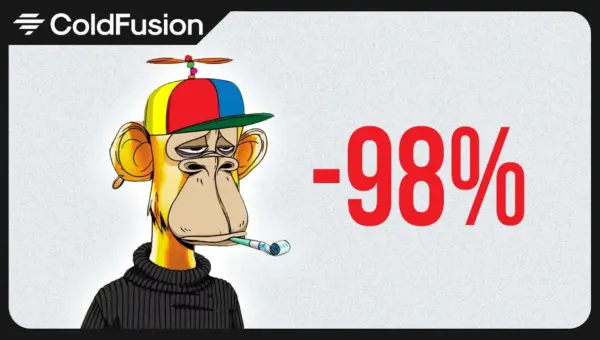
NFTs Crash: Digital Art Bubble Bursts Spectacularly
The Non-Fungible Token (NFT) market experienced a dramatic boom and bust cycle, with digital art selling for millions in 2021 before collapsing spectacularly. Fueled by speculation and celebrity endorsements, the bubble burst, leaving many investors with significant losses. While the hype has faded, the underlying technology's potential for real-world asset tokenization remains.