Iran’s Nuclear Game: A Tightrope Walk to Peace?
Iran faces pressure to negotiate but is internally divided, with the Revolutionary Guard opposing compromise. A potential cease-fire extension is seen as a political move driven by fuel prices and regional stability concerns.

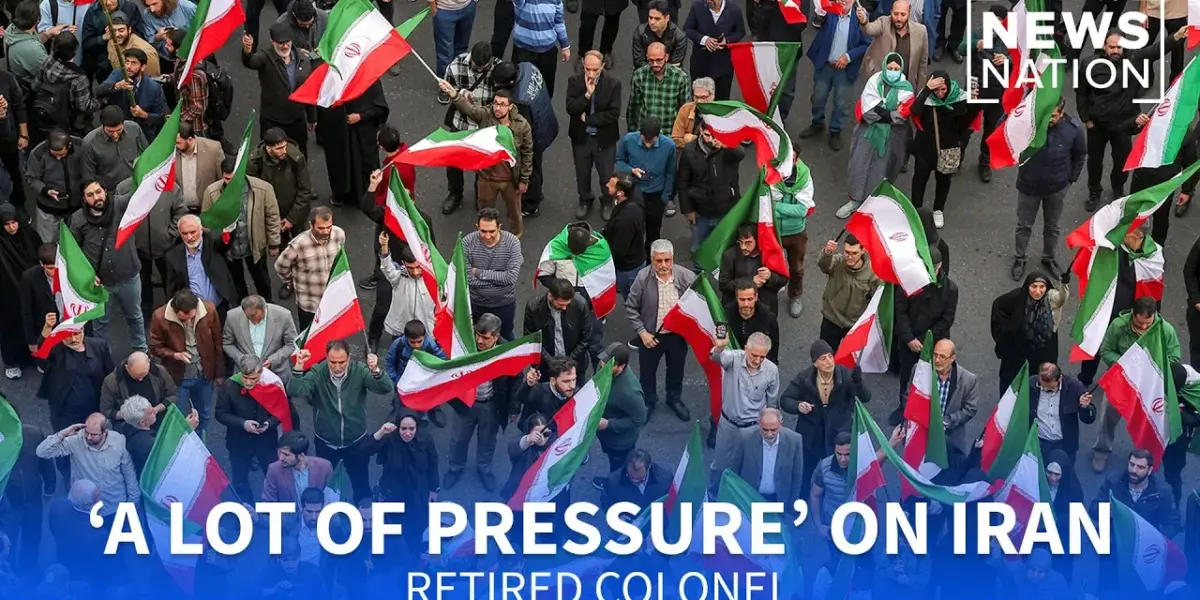
Iran’s Nuclear Game: A Tightrope Walk to Peace?
All eyes are on Pakistan as Vice President heads back, but Iran’s stance on talks is clear: they won’t participate under threat. This raises a critical question: Will Iran actually come to the negotiating table?
There’s a real chance Iran might not show up. The international community is putting a lot of pressure on them, hoping for negotiations and a peaceful solution. Iran’s government, however, is divided.
While the main government might want talks, the powerful Revolutionary Guards, who control the military, are against compromise. We’ve seen their aggressive actions with attack boats and ships, making it unclear who truly speaks for Iran.
The Sticking Point: Enriched Uranium
If Iran does agree to talks, the main issue will be enriched uranium. The core of the problem is that Iran refuses to hand over its enriched uranium, and others refuse to let them keep it. It’s highly unlikely a long-term deal will be struck before the current cease-fire expires very soon.
Instead, we might see an extension of the cease-fire, possibly with some basic structure in place. This could then lead to further discussions later. A comprehensive deal covering all issues would likely take weeks, if not months, to finalize.
Extending the Cease-Fire: A Political Move?
If President Trump agrees to extend the cease-fire, how would both Iran and the United States view this? For Tehran, it means the current situation continues without bombings, which is important right now. They still possess nuclear materials, even though their industry has been damaged.
Iran likely wants to extend the current state of affairs and buy time. For the U.S. administration, there’s a strong political reason to consider an extension. Fuel prices are a major concern for Americans, and ending the fighting could bring stability to the region, easing some public dissatisfaction with the president’s handling of the war and high gas prices.
Iran’s Military Might: A Surprise to Some
Iran claims it’s ready to play new cards on the battlefield. A new report warns that Iran still has thousands of missiles and one-way attack drones. This might surprise many, especially since the Pentagon has repeatedly stated Iran’s military has been weakened by large-scale strikes.
During the 12-day war last year, people saw Iran’s military power firsthand with constant missile barrages. This time, Iran has shown the ability to strike Israeli airspace consistently until the cease-fire began. The weapons used against Israel are different and more powerful than those fired at places like Kuwait or Bahrain.
Drones and Air Defense: A Growing Concern
The use of Iranian-made drones has been particularly effective, and their ability to produce them in large numbers is a key factor. However, the longer the conflict continues, the more concerns grow about how long air defense systems can hold out. For now, there are no immediate worries, but a prolonged conflict could change that.
Why This Matters
The situation highlights the complex geopolitical challenges in the Middle East. Iran’s internal divisions and its military capabilities create a volatile environment. The international community’s desire for a peaceful resolution clashes with Iran’s strategic interests and internal power struggles.
The role of external powers, like the United States, is crucial. Political considerations, such as fuel prices and public opinion, heavily influence decisions regarding cease-fires and negotiations. This shows how regional conflicts are often intertwined with domestic politics.
Implications and Future Outlook
The immediate future likely involves a continuation of the cease-fire rather than a full-scale peace deal. This temporary measure could provide a window for more substantive negotiations on Iran’s nuclear program and regional security.
However, the underlying tensions and Iran’s military strength mean that the situation remains precarious. The effectiveness of air defense systems and Iran’s ability to produce advanced weaponry will be critical factors to watch.
Historical Context
Iran’s nuclear program has been a source of international concern for decades, leading to various sanctions and diplomatic efforts. Past agreements, like the Joint Comprehensive Plan of Action (JCPOA), aimed to curb its nuclear ambitions but have faced significant challenges.
The current conflict is part of a broader pattern of regional instability, involving proxy conflicts and power struggles between Iran and its rivals. Understanding this history is key to grasping the current dynamics and potential outcomes.
The next few days will be crucial as the cease-fire deadline approaches, potentially determining whether Iran comes to the table for a lasting peace or prolongs the current fragile standoff.
Source: Will Iran come to the table? Retired Colonel weighs in (YouTube)

Related Articles

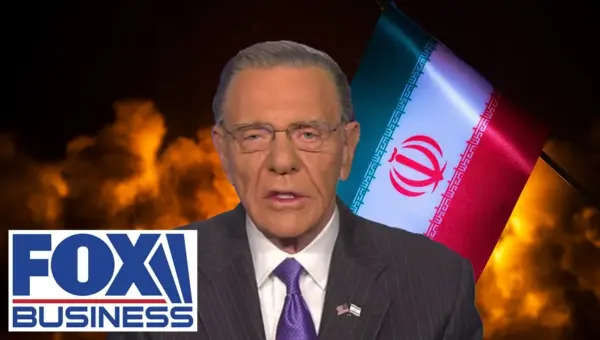
Iran Talks Gain Leverage From Blockade
A U.S. blockade of Iranian oil exports is giving negotiators significant leverage in peace talks. The U.S. demands Iran abandon its nuclear program and cease actions in the Strait of Hormuz, with sanctions relief contingent on verifiable behavior change. China's role as a financial and technological supporter of Iran adds complexity to the situation.

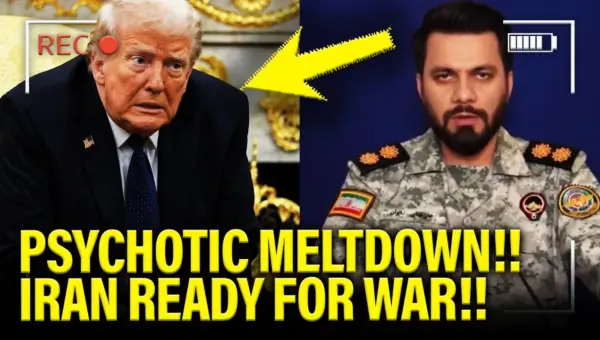
Trump’s Twitter Storm Fuels Iran War Fears
Donald Trump's late-night social media posts are fueling concerns about escalating tensions with Iran. Amidst unusual air traffic and diplomatic warnings from Iran, Trump's conflicting statements about military actions and negotiations create confusion and mistrust.

Iran War Triggers Global Jet Fuel Crisis
A conflict involving Iran has triggered a global jet fuel shortage, expected to last months and impact South and Southeast Asia most severely. The crisis stems from a lack of specific crude oil needed for jet fuel production and refinery limitations. This disruption will force airlines to cancel flights, impacting global travel and trade.