Ex-Foreign Office Head Claims Downing St. Pressured Envoy Pick
Sir Ole Robbins, former head of the Foreign Office, claims he faced constant pressure from Downing Street to approve Peter Mandelson's appointment as US ambassador. Robbins stated he did not see the vetting details and described the decision as 'borderline.' The situation raises questions about transparency and political influence in diplomatic appointments.

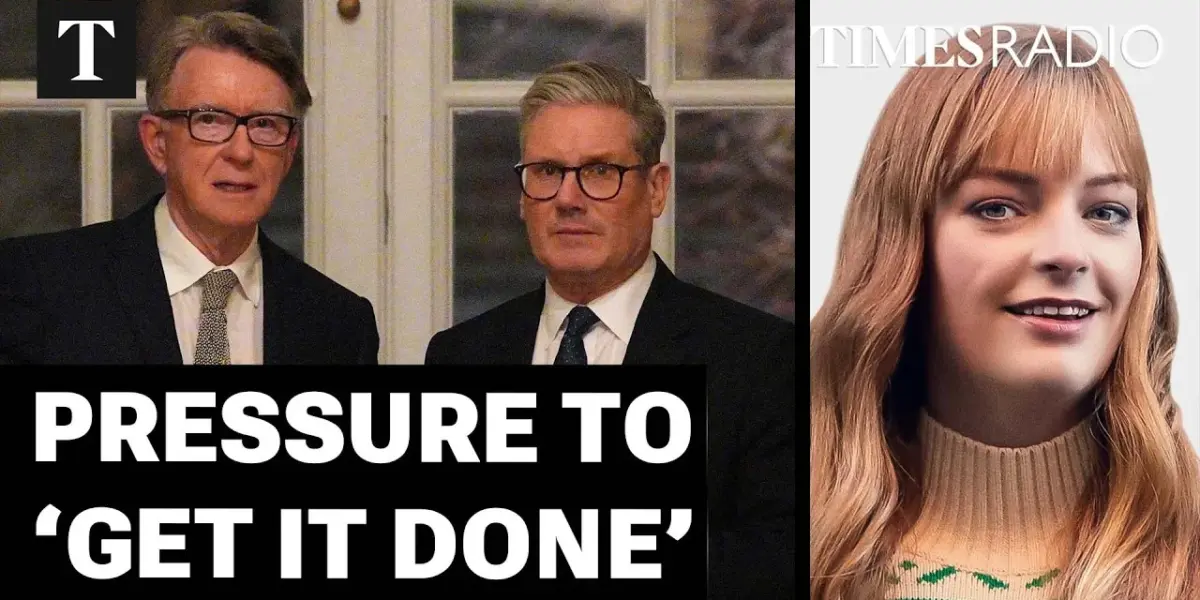
Ex-Foreign Office Head Claims Downing St. Pressured Envoy Pick
Sir Ole Robbins, the former head of the Foreign Office, has stated he faced “constant pressure” from Downing Street to approve Peter Mandelson’s appointment as ambassador to the United States. Robbins gave evidence today, detailing the significant push from Number 10 to get Mandelson to Washington quickly. This comes after Prime Minister Rishi Sunak sacked Robbins last week, citing a lack of information about Mandelson failing security vetting.
Robbins described an “atmosphere of constant chasing” from Downing Street’s private office to its Foreign Office counterpart. The focus, he said, was never on whether the appointment was suitable, but solely on the timing. “Has this been delivered yet?” was the repeated question, according to Robbins, with no interest shown in the vetting process itself.
Robbins’ Account and the Vetting Process
Robbins explained that he did not personally see the details of Mandelson’s security vetting. He described the vetting decision as “borderline.” he stated that he was not aware of any new issues arising from the vetting process itself. This suggests that any concerns were either not significant enough to halt the appointment or were addressed through other means.
Charlotte Ivers, a columnist for The Sunday Times, expressed strong support for Robbins, calling for “justice for Ollie Robbins.” She believes he followed the established process correctly, given the information he had. Ivers suggested that the issues with Mandelson’s appointment arose before the vetting even took place, stemming from background checks done on his behalf.
Downing Street’s Alleged Role
According to Ivers, Downing Street, under Keir Starmer’s leadership, decided to appoint Mandelson as ambassador before the vetting was complete. This made the appointment appear to be a done deal. The subsequent calls from Number 10 were then focused on expediting the process rather than ensuring its integrity.
Patrick Ked, another commentator, added that the situation was complicated by the fact that the US administration under Donald Trump was aware of who the proposed ambassador was. This likely created reluctance from Downing Street to backtrack on the choice, especially if the reason for the initial selection was to appoint someone perceived as a suitable counterpart for Trump.
The Matthew Doyle Situation
The discussion also touched upon the case of Matthew Doyle, Downing Street’s former Director of Communications. Reports suggest that Doyle was also being considered for an ambassadorial role as a reward for leaving his position. This practice of offering ambassadorships to political allies has occurred in the past, with examples like James Callaghan’s son-in-law and David Cameron’s appointments.
However, Doyle reportedly lacked the necessary foreign office experience for such a role. Instead, he received a peerage, a common way to reward individuals leaving government positions. This aspect of the story is expected to become a more significant point of discussion.
Starmer’s Knowledge and Deniability
A key point of contention is whether Keir Starmer was fully informed about Mandelson failing the vetting process. Starmer has maintained he was not told, and the exact wording of “failed the vetting process” is being debated. Robbins’ evidence suggests a more nuanced situation, where the vetting was considered borderline with potential mitigation strategies.
Ivers suggested that if the vetting was borderline and could be mitigated, it might not have been seen as a major political issue at the time. The appointment was initially seen by some as a strategic move, pairing a potentially “dodgy” individual with a similar figure in the White House. This perspective suggests that the political ramifications were not fully anticipated.
Broader Political Context and Future Implications
The conversation also explored the political climate following Donald Trump’s election, characterized by a sense of diminished rules and integrity. This atmosphere, described as “treacherous waves,” influenced decisions in Britain, leading to a belief that a more flexible approach to governance was possible.
However, commentators noted that Keir Starmer, known for his adherence to rules and international law, found himself caught in this situation. His position could be weakened if he is perceived as having ignored or downplayed potential issues, especially in contrast to his previous criticisms of Boris Johnson regarding rule-following.
Labour’s Ideological Direction
The discussion touched upon the Labour Party’s internal politics, particularly the influence of the “New Labour” era figures. Starmer’s leadership has been seen as a move towards the center-right, partly due to the need to win elections after the Corbyn era. The reliance on former Blairites within the party structure was also highlighted.
Angela Rayner is expected to call for a bolder approach from Labour, warning against incrementalism that could enable populism. However, the effectiveness of such a shift in addressing the UK’s structural problems remains a subject of debate. The economic outlook for the country, facing potential recession, adds another layer of complexity to the political challenges ahead.
Source: Mandelson Appointed After No 10 ‘Constantly Pressured’ Foreign Office (YouTube)

Related Articles

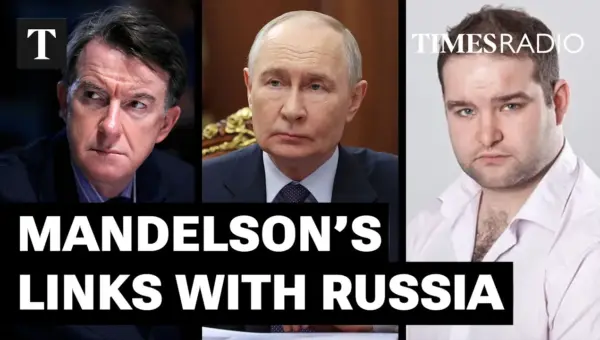
Mandelson’s Putin Lobbying Sparks Judgment Concerns
Lord Mandelson is facing scrutiny for lobbying Russian President Vladimir Putin in 2017 on behalf of a Russian company, AFK Sistema. While his actions were not illegal, critics question his judgment given Russia's adversarial stance towards the UK at the time. Mandelson received significant financial compensation for his role, adding another layer to the controversy.
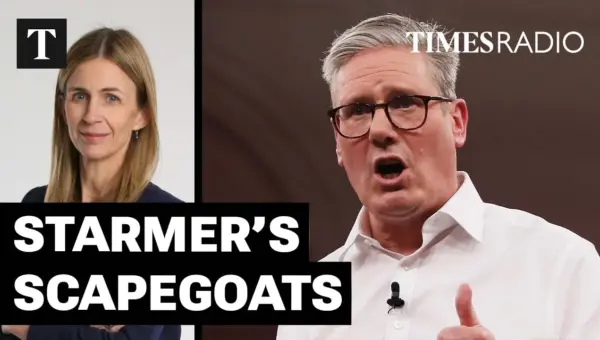
Starmer Faces Backlash Over Vetting Scandal, Lacks Judgment
Prime Minister Keir Starmer is facing backlash after dismissing senior civil servant Oliver Robbins over the Peter Mandelson vetting scandal. Robbins' testimony suggests he followed proper procedure, contradicting Starmer's stated reason for dismissal. Critics accuse Starmer of poor judgment and a disregard for due process, further fueled by revelations that he ignored advice from former cabinet secretary Simon Case.
Starmer Faces Scrutiny Over Mandelson Appointment
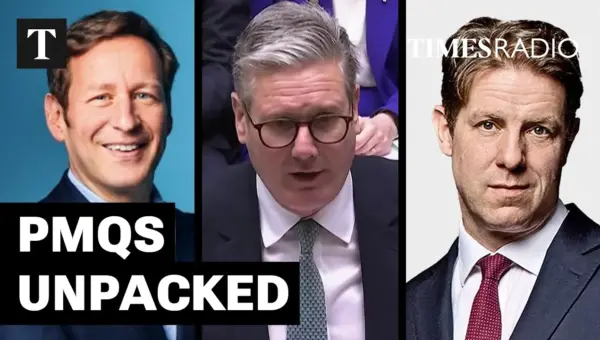
Prime Minister Keir Starmer faced tough questions at PMQs regarding the vetting and appointment of Peter Mandelson as ambassador. Allies showed reluctance to defend Starmer's actions, raising concerns about leadership. The controversy intensified as Sir Ollie Robbins' testimony appeared to contradict official statements, leading to accusations of scapegoating and a flawed decision-making process.