Ukraine Strikes Oil Sector, Disrupts Russian Artillery
Ukraine is striking Russia's oil sector, causing significant financial losses, and targeting ammunition trucks to disrupt artillery fire. Meanwhile, Russia faces economic strain and potential internal unrest. European nations are discussing developing their own anti-ballistic missile system.

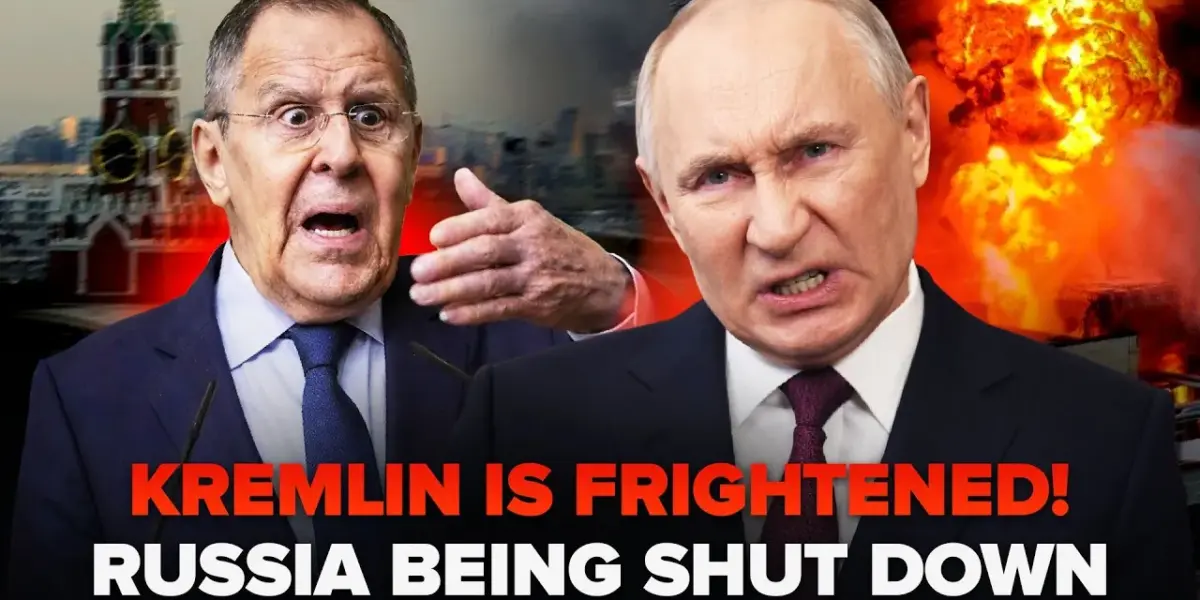
Ukraine Strikes Oil Sector, Disrupts Russian Artillery
Ukraine is intensifying its efforts to cripple Russia’s war-making ability by targeting its oil sector and disrupting artillery supply lines. President Volodymyr Zelenskyy stated that Ukrainian long-range strikes against Russia’s oil facilities are yielding significant results, with losses estimated at $2.3 billion in March alone. These attacks aim to cut off crucial revenue that funds Russia’s ongoing military operations.
The Ukrainian strategy also includes targeting the trucks that transport ammunition to Russian artillery units. Russia heavily relies on artillery, but its guns are often hidden and difficult to track. The supply trucks, however, travel on roads and follow predictable routes, making them vulnerable to drone attacks.
By destroying these trucks, Ukraine can disable multiple artillery systems at once. This approach is seen as more efficient than trying to destroy individual artillery pieces.
Russia Faces Economic Strain and Internal Concerns
Despite official claims, Sweden’s military intelligence chief, Thomas Nielson, believes the Russian economy is struggling under the weight of war spending. He suggests that Russia is manipulating economic data to hide the true impact of sanctions and military costs. Nielson noted that even Russia’s defense industry faces problems, with much of it being unprofitable and dependent on state loans.
President Zelenskyy also believes Russia is preparing for a new offensive and is restricting internet access to prevent public anger over potential large-scale mobilization. He suggested that Moscow’s next moves depend heavily on NATO’s response, warning that a weak reaction could encourage further escalation.
Diplomatic Maneuvers and Shifting Alliances
Russian Foreign Minister Sergey Lavrov, speaking in Turkey, expressed openness to talks but indicated negotiations are not Russia’s current priority. He accused Ukraine and Europe of supporting a “Nazi regime” and escalating threats against Russia, repeating claims of a resurgence of Nazi ideology in Europe. Lavrov also criticized the European security structure, suggesting a new military bloc involving the EU, Britain, Turkey, and Ukraine is forming, which he portrayed as a global danger.
Meanwhile, Slovak Prime Minister Robert Fico faced diplomatic hurdles when Lithuania and Latvia denied his plane permission to fly through their airspace en route to Russia for Victory Day commemorations. Fico vowed to find an alternative route, highlighting ongoing disagreements with Brussels over Russia-related policies. Slovakia is challenging EU sanctions on Russian gas and Fico has threatened to block new sanctions unless oil supplies through the Druzhba pipeline are restored.
European Defense and Security Considerations
President Zelenskyy is pushing for Europe to develop its own anti-ballistic missile system within a year to reduce reliance on U.S. Patriot systems. He stated that work is underway to create a European equivalent, emphasizing the need for large-scale production of interceptor missiles. This initiative is seen as crucial given the ongoing threats and the proven effectiveness of systems like the Patriot.
In a separate development, Belarusian leader Alexander Lukashenko threatened a joint response with Russia using all weapon types, including nuclear ones, if Belarus faces aggression. He named Poland, Baltic states, and Ukraine as potential adversaries but also claimed Belarus does not want war and is not preparing offensive actions.
Cultural Exchange Amidst Conflict
Amidst the geopolitical tensions, artists gathered for a pre-Eurovision party in London. Most artists expressed a desire for Eurovision to remain a platform for music, love, and unity, free from political debate. Ukraine’s representative, Alyona Alyona, viewed her participation as a significant honor and responsibility, aiming to showcase Ukrainian culture’s beauty through music during challenging times.
Ukraine continues to face challenges, including delays in the delivery of an approved support package from European partners. President Zelenskyy is working to unblock this aid, emphasizing its importance for Ukraine’s defense efforts. He also criticized a U.S. decision to ease oil sanctions, arguing it provides Moscow with more funds to continue the war.
Strategic Implications
Ukraine’s focus on Russia’s oil revenue and artillery logistics represents a shift towards asymmetric warfare, targeting the economic and logistical foundations of Russia’s military. By disrupting oil exports, Ukraine aims to deny Russia the financial resources needed for the war. Targeting ammunition trucks directly impacts Russia’s ability to sustain battlefield operations, particularly its reliance on artillery barrages.
The ongoing economic strain in Russia, as highlighted by Swedish intelligence, suggests that Western sanctions and Ukraine’s attacks are having a cumulative effect. Russia’s attempts to mask these economic weaknesses through manipulated data indicate a vulnerability that Ukraine and its allies can exploit. The Kremlin’s perceived fear of internal unrest also suggests that economic hardship and military setbacks could increase pressure on the Russian leadership.
Europe’s push for an independent anti-ballistic missile system reflects a growing desire for strategic autonomy and a response to perceived security threats. The development of such a system would represent a significant step in European defense capabilities, potentially altering the military balance on the continent.
Source: ⚡Lavrov’s URGENT statement from Turkey SHOCKED! Addressed Ukraine. WHAT DISGRACE: watch this (YouTube)

Related Articles

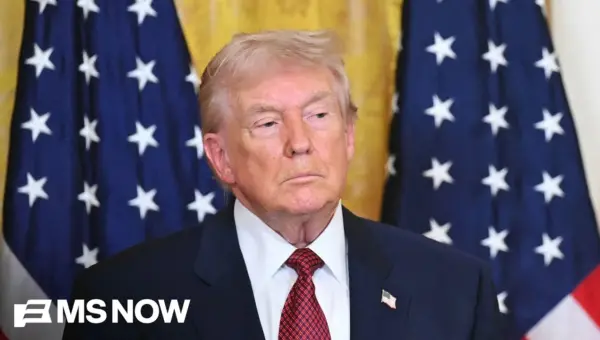
Ex-General Slams Trump’s Iran Talks: ‘America Alone’ Policy
A retired U.S. Army General criticized Donald Trump's Iran negotiation team, labeling the approach as "America Alone." The lack of experienced diplomats and reliance on business figures raises concerns about achieving meaningful outcomes. Key demands from both sides highlight a significant gap, with Congress's role and intelligence failures adding further complications to the delicate situation.
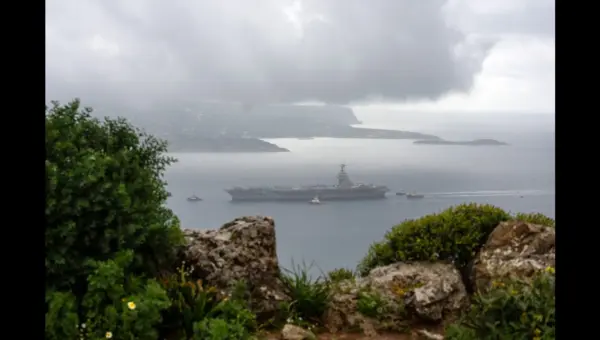
US Military Flexes Muscle: Iran Faces Escalating Pressure
US forces have demonstrated their ability to enforce blockades in the Gulf of Hormuz, disabling an Iranian ship with precision. If diplomacy fails, the US is considering targeting Iranian infrastructure like power plants and bridges to pressure the regime and potentially foster internal dissent.

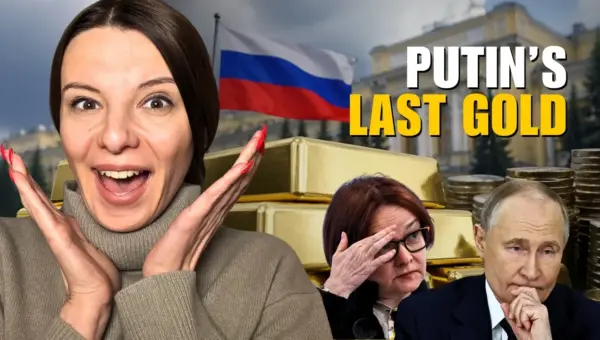
Russia Sells Gold Reserves Amid Budget Shortfall
Russia is reportedly selling 22 tons of gold from its national wealth fund to address a significant budget deficit, currently standing at 4.6 trillion rubles. This financial strain comes amid escalating attacks on Russian oil refineries and export terminals, which are crucial for funding the war effort. The situation is leading to internal dissatisfaction within Russia as economic consequences mount.