Iran Talks Loom: US Deadline Nears Amid Strait of Hormuz Dispute
High-stakes negotiations between the U.S. and Iran are slated to occur in Islamabad, Pakistan, with a critical deadline set by President Trump. The Strait of Hormuz has emerged as a central point of contention, complicating efforts to secure a ceasefire and de-escalate tensions. Pakistan is actively mediating, aiming to bring both delegations to the table despite significant disagreements and Iran's hesitation.

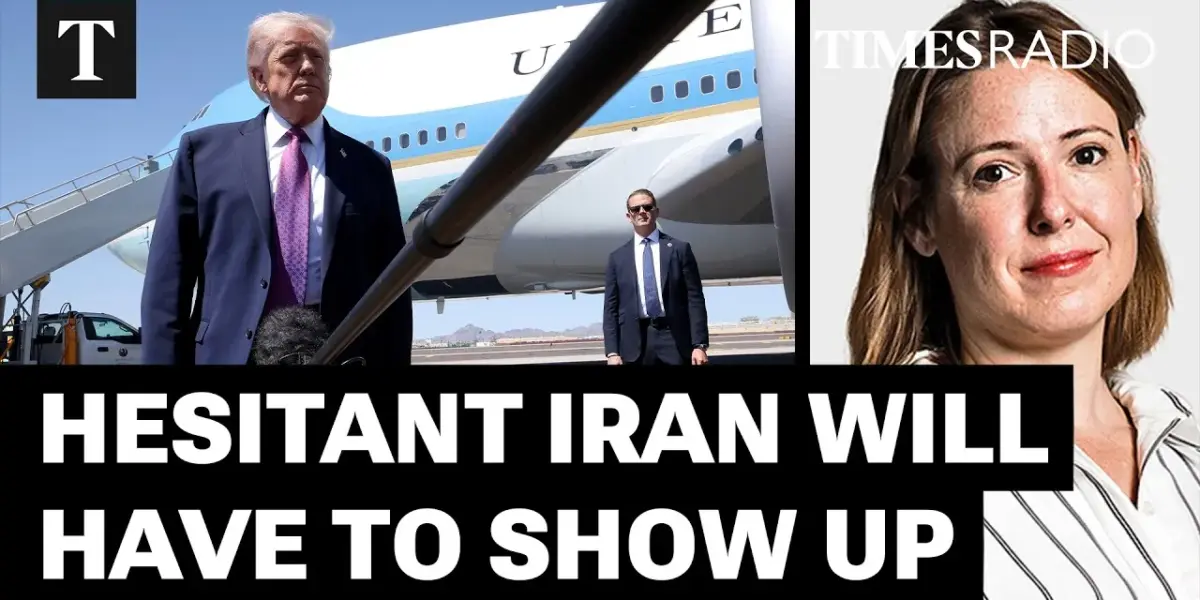
Iran Talks Loom: US Deadline Nears Amid Strait of Hormuz Dispute
High-stakes negotiations between the United States and Iran are expected to take place in Islamabad, Pakistan, despite significant disagreements and a looming deadline. The talks, aimed at de-escalating tensions and potentially securing a ceasefire, face the immediate challenge of the Strait of Hormuz, a vital shipping lane that has become a central point of contention. U.S. President Donald Trump has set a deadline of Wednesday evening Washington time for a deal, warning of military action if talks fail.
US Presses for Deal as Iran Hesitates
President Trump is pushing for a swift resolution, contrasting with the years it took for the Obama administration to reach a nuclear deal with Iran. Vice President JD Vance, leading the American delegation, has yet to depart Washington, signaling the ongoing uncertainty. Iran has not yet confirmed its attendance, and sources indicate they are unwilling to meet all of President Trump’s demands, particularly regarding the handover of nuclear material.
Alisa Yu, a former national security official, commented on the potential long-term economic fallout. “The economic impacts alone, I think, are going to be felt significantly for some time,” she stated.
Even if the Strait of Hormuz were to reopen immediately, she explained, it would take several months for economic pressure to ease due to technical reasons. This continued economic strain could create political problems for President Trump domestically, especially with upcoming midterm elections.
Strait of Hormuz: A Crucial, Contentious Issue
The opening of the Strait of Hormuz has become a key demand for the U.S. administration. However, the strait was open before the current conflict, making its current status a perplexing point of negotiation.
“It’s ridiculous,” remarked one analyst. “Even domestically, politically, the issue of Iran’s nuclear material was kind of off the table.” The current focus, instead, is on the damage to the global economy, an issue that cannot be ignored.
Catherine Philp, World Affairs Editor for The Times, noted the paradoxical situation. “The central point of contention is the opening of the Strait of Hormuz, which has become a sort of war aim for the U.S.,” she observed. “But it wasn’t open before the war started, so it’s a weird way of solving the problem.” She suggested that addressing the economic damage might be a more immediate priority for President Trump if he wishes to resolve the situation he initiated.
Ceasefire Deadline and Trust Issues
The deadline for a ceasefire is fast approaching, with its expiration set for midweek. Whether starting talks will automatically extend this ceasefire remains uncertain and requires agreement from both sides. Historically, when President Trump has issued extreme threats of military action, these have often been followed by periods of negotiation rather than immediate conflict.
However, Iran is wary of U.S. actions, having experienced attacks during previous negotiations. This lack of trust influences their calculus.
“They don’t trust the Americans just to suddenly set their own timeline,” Philp explained. The Iranians can close the Strait of Hormuz again, and there are differing views within the Iranian regime on how to proceed.
Pakistan’s Role as Mediator
Despite the rhetoric and threats, there is optimism in Pakistan, the host nation for these talks. The Pakistani government is hopeful that it can facilitate a second round of negotiations between the U.S. and Iran. Their primary challenge is to get both delegations to travel to Islamabad and engage in face-to-face discussions.
Pakistan is also hopeful that an agreement, at least a new ceasefire, can be reached. The specifics of any agreement remain unclear, and a broader peace deal is still considered a distant possibility. The immediate priority is ensuring both sides agree to attend the talks.
Key Negotiators and Iranian Internal Dynamics
Representing Iran in these negotiations is typically the speaker of the parliament, accompanied by the foreign minister, ensuring a high level of government representation. The U.S. delegation is expected to include Vice President JD Vance, chief negotiator Steve Whit, and President Trump’s son-in-law, Jared Kushner.
Iran’s negotiating team is seen as relatively stable, though internal tensions exist within the regime. Some factions favor continued conflict with the United States, while others are open to an agreement to end the war. The chief of the army in Pakistan is playing a key role as a mediator, engaging in shuttle diplomacy between Washington and Tehran.
What to Watch Next
All eyes are on Islamabad as the deadline approaches. Whether the talks begin in person within the next 24 hours or if alternative arrangements are made, the situation remains fluid. The world watches to see if a diplomatic breakthrough can be achieved amidst the escalating tensions and complex geopolitical dynamics.
Source: Why A Hesitant Iran Will Have To Show Up To Talks In Islamabad | Catherine Philp (YouTube)

Related Articles

Trump’s Iran Gamble: Is War or Diplomacy the Path Forward?
Bill O'Reilly discusses President Trump's high-stakes foreign policy regarding Iran, suggesting a personal drive for victory fuels aggressive tactics. He questions the control of the Strait of Hormuz and highlights shifting international alliances, with Gulf states stepping up and European allies faltering. The conversation also touches on the controversial tariff refund system, questioning who truly benefits.

Dem Lawmaker: Trump Undermines Iran Deal Prospects
Rep. Adam Smith, a leading Democrat on the House Armed Services Committee, stated that President Trump's claims about the conflict with Iran are meaningless and that the U.S. has not achieved its objectives. Smith believes Trump's unpredictable and boastful rhetoric is undermining any possibility of a diplomatic deal with Iran and empowering hardliners.

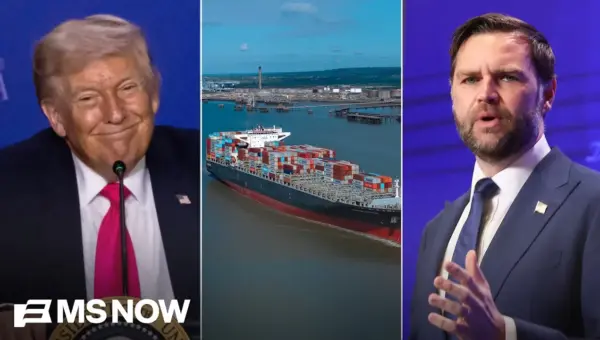
Trump Sends Mixed Messages on Iran Ahead of Key Peace Talks
Vice President J.D. Vance is set to lead a second round of critical peace talks with Iran in Pakistan, amidst escalating regional tensions and conflicting public statements from President Trump. Analysts question the reliability of the President's claims regarding Iran's concessions, suggesting a lack of clear communication is hindering diplomatic progress.