New NYC Tax Could Spark Property Value Plunge
A new tax on second homes in New York City could lead to falling property values, according to former Miami Mayor Francis Suarez. He warns that such policies might drive away tax revenue and create budget gaps. The proposal also sparked debate on economic philosophies regarding redistribution versus wealth creation.

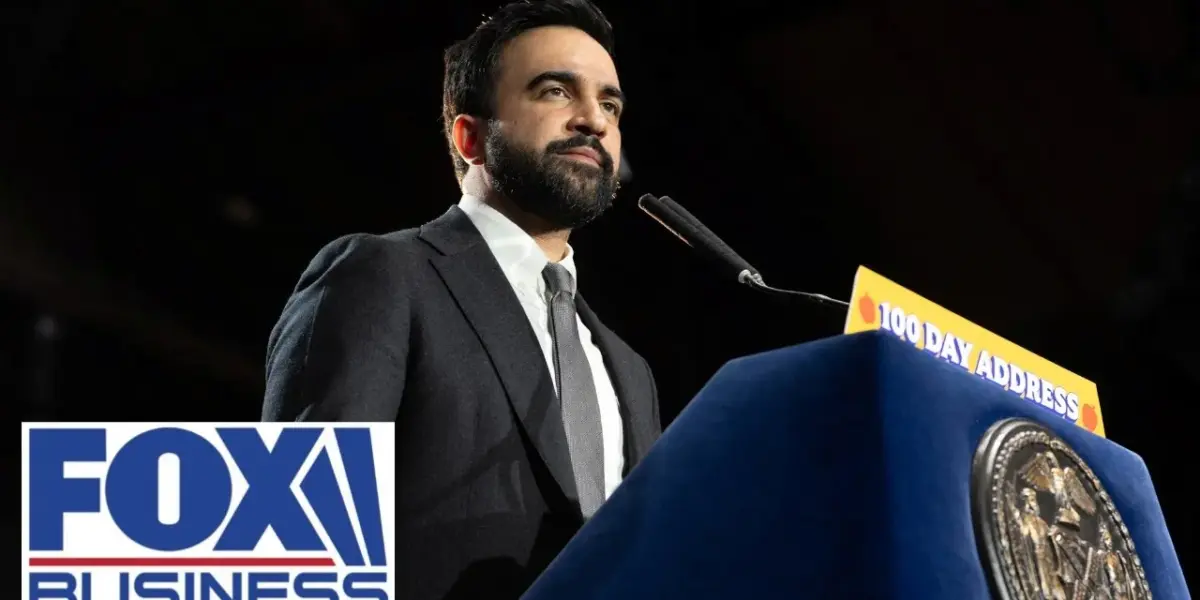
NYC’s New Tax on Second Homes Faces Criticism
A new tax targeting second and third homes in New York City is drawing sharp criticism, with some experts predicting a significant drop in property values. Former Miami Mayor Francis Suarez voiced strong concerns, suggesting the tax could drive property owners and their tax revenue away from the city.
Suarez likened the potential impact to a large vacuum, predicting a flight of property taxes from New York and any other state that adopts similar measures. He argued that for individuals considering a second or third home, the location choice often depends on where they wish to spend significant time.
Tax Policy Could Harm City Finances
Turning a situation that generates income for cities into one that causes them to lose money creates a budget gap. Suarez believes this gap would likely be filled by raising taxes further, a move he associates with Mayor Adams’ approach. This strategy, he contends, could ultimately harm the city’s financial health.
The discussion also touched upon political alliances, with questions raised about former President Obama’s association with Mayor Adams. Some believe that if Adams’ policies falter, it could reflect poorly on the Democratic party. This perspective suggests a broader concern about the effectiveness of current political strategies.
Critique of Automation Dividend Proposal
The conversation shifted to a proposal for an “automation dividend,” a system where workers whose jobs are replaced by artificial intelligence would receive cash payments. This idea, pitched as an insurance policy, was met with skepticism by Suarez. He pointed out the hypocrisy of individuals advocating for such policies while having previously profited from implementing the very technologies they now criticize.
Suarez expressed his view that schemes like universal basic income have historically failed. He argued that using government to create equality often leads to poverty and repression, rather than the intended outcomes. He urged a focus on results over rhetoric when evaluating such policies.
Market Impact: Property Values and Tax Revenue
The potential consequences of New York City’s new tax on second homes are significant. If property owners choose to sell or avoid purchasing second homes in the city due to the increased tax burden, it could lead to a decrease in demand. This reduced demand, in turn, often causes property values to decline.
A decrease in property values directly impacts the tax revenue collected by the city. Property taxes are a major source of funding for municipal services. A substantial loss in this revenue could force the city to cut services or seek alternative, potentially less popular, funding sources.
What Investors Should Know
Investors considering real estate in New York City, particularly those looking at secondary properties, should pay close attention to the effects of this new tax. The potential for declining property values could present both risks and opportunities. A downturn might offer buying opportunities for those with a long-term outlook, but it also carries the risk of further depreciation.
The broader economic philosophy behind such taxes and dividend proposals is also relevant. Critics argue that policies focused on redistribution rather than wealth creation can stifle innovation and economic growth. Understanding these underlying principles can help investors assess the long-term economic environment of a region.
Broader Economic Philosophy Debated
The underlying economic philosophy driving these proposals was a key point of contention. Critics argue that focusing on government-led redistribution, rather than fostering an environment for wealth creation, can ultimately hinder innovation and economic progress. This perspective suggests that policies aimed at creating equality through government intervention may have unintended negative consequences on overall economic vitality.
The debate highlights a fundamental disagreement on the role of government in the economy. One side favors intervention and redistribution, while the other emphasizes market-driven growth and limited government involvement. The success or failure of policies like the New York City tax will likely influence future economic debates and strategies.
The effectiveness of any proposed solution, whether it involves new taxes or income dividends, hinges on its real-world results. Focusing on tangible outcomes, rather than persuasive rhetoric, is crucial for evaluating economic policies. The coming months will provide more data on how New York City’s new tax affects its real estate market and overall financial health.
Source: Mamdani has ‘NEVER seen a tax he didn’t love’: Former Miami mayor (YouTube)

Related Articles

GOP Claims Tax Cuts Boost Americans, Blame Dems for Inflation
House Ways and Means Chairman Jason Smith argues that Democratic spending fueled inflation, while tax cuts have benefited Americans. He criticizes a growing socialist agenda within the Democratic Party and emphasizes the need for fiscal responsibility amid high national debt. Investors should watch these economic policy debates as they could shape future market conditions.

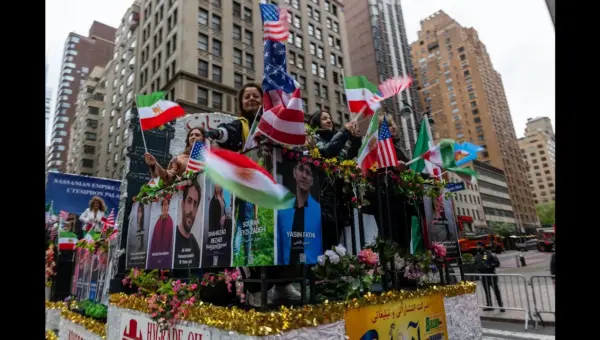
Persian Parade Roars for Free Iran on NYC Streets
The Persian Day Parade in New York City was more than a cultural celebration; it was a powerful call for a free Iran. Participants displayed traditional symbols and voiced strong demands for an end to the current regime. The event honored those who have sacrificed for democracy and expressed hope for millions of Iranians to return home.


Ossoff Exposes Vance’s Empty Rallies, Highlights Economic Woes
Senator Jon Ossoff highlighted J.D. Vance's small rally crowd sizes to criticize economic policies. Ossoff contrasted rising costs for essentials like groceries with the growing wealth of the first family, calling them "crooks."