Trump Faces Iran Crisis: Trapped with No Easy Answers
Former President Trump faces a complex crisis with Iran, appearing trapped with limited options. Public opinion and Iran's strategic maneuvering suggest a need for a deal, but leverage is scarce. The situation echoes historical tensions and raises questions about future diplomatic outcomes.

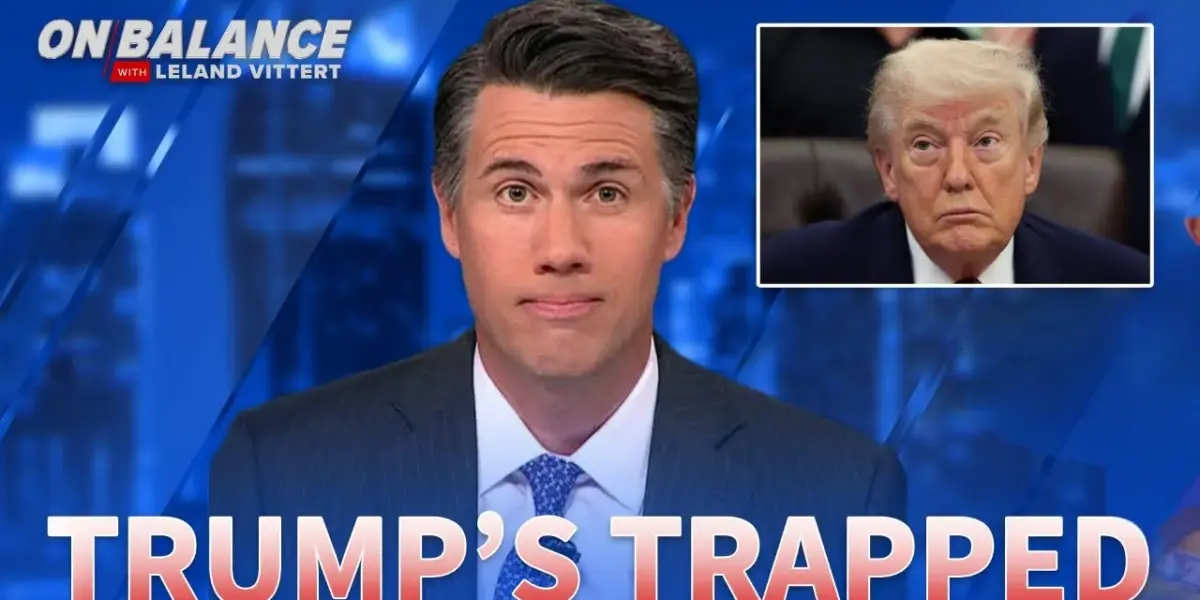
Trump Faces Iran Crisis: Trapped with No Easy Answers
Former President Donald Trump finds himself in a difficult situation regarding Iran, facing political, military, and geopolitical challenges with limited good options. He appears cornered, with recent events suggesting a desperate need for a diplomatic resolution, even as the situation on the ground offers little leverage.
Friday’s announcements claimed Iran had agreed to certain terms, yet tensions remain high in the Strait of Hormuz. Iran’s actions, like embarrassing the U.S. president, suggest they are not feeling pressured. The White House, meanwhile, seems eager for upcoming negotiations, indicating a strong desire for a deal.
Public Opinion Limits Options
A new poll reveals that 61% of Americans do not want the U.S. to continue military operations in Iran. This public sentiment significantly restricts President Trump’s choices. It contrasts with his past declarations of victory, which often lacked concrete achievements on the ground.
“We have won this war in a fairly short period of time… They will not be able to do a nuclear weapon and we are going to finish the job and we’re going to finish it very fast.”
Despite such optimistic statements, the reality of the conflict in Iran has not been as smooth as portrayed. Trump understands the need for this conflict to end, seeking a legacy-defining victory.
Iran’s Strategic Advantage
However, Trump’s desires and the actual situation appear to be at odds. Iran, understanding Trump’s need for a swift resolution, continues to play a strategic game. Former Ambassador John Bolton believes Trump’s public posturing is giving Iran the upper hand.
Bolton stated that Iran senses panic in the White House and sees that Trump wants out of the conflict. This is broadcasted almost daily, granting Iran significant leverage it shouldn’t possess. Trump seems to be looking for shortcuts and negotiated settlements rather than pushing forward.
Grappling with Fear and Uncertainty
The Wall Street Journal reported that Trump realizes the risks but struggles to find a clear path forward. The headline suggested that behind his public confidence, he grapples with personal fears regarding the war. Iran, sensing this fear, feels empowered by its own base and its ability to control the Strait of Hormuz.
This situation leads some to believe Iran is more convinced than ever that it needs a nuclear weapon. The actions taken by Iran, however, could also be seen as justification for Trump’s initial stance, arguing that Iran must be brought to heel.
The Need for a Deal
From another perspective, Iran’s actions have made the case for war. Trump appears to need a deal more than ever. Politically, this presents a challenge, especially for those who feel Iran has been responsible for innocent deaths for decades.
Unfreezing Iranian assets in exchange for vague promises on uranium enrichment could be seen as a bad deal. Many might view such an outcome as a significant setback, a “2.0 bomb” of sorts. The effectiveness of American military actions, like disabling Iranian ships, doesn’t seem to deter the Islamic Revolutionary Guard.
Negotiating with Adversaries
Negotiating with Iran is compared to negotiating with a kamikaze pilot flying towards your ship. In the past two weeks, Trump has not achieved his desired outcomes, only momentary successes. Ultimately, he seems to be getting everything he does not want.
This outcome is partly because Trump’s surrogates argue the American people must accept short-term economic pain for long-term stability. This point has been made repeatedly, but for any progress, Iran must believe Trump is willing to take the necessary actions.
Why This Matters
The situation highlights the complex dynamics of international relations and the challenges of dealing with regimes that employ asymmetric tactics. It shows how domestic political considerations and public opinion can significantly shape foreign policy decisions, even for powerful nations.
The ongoing standoff with Iran raises critical questions about the effectiveness of sanctions, the risks of military escalation, and the viability of diplomatic solutions when trust is low. It also highlights the importance of clear communication and consistent policy, especially in volatile geopolitical regions.
Implications and Future Outlook
The current path suggests a potential for continued stalemate or a rushed, unfavorable deal. If Trump continues to appear desperate for an agreement, Iran may exploit this to gain concessions without fundamentally altering its behavior. This could embolden Iran and create further instability in the Middle East.
Conversely, a firm stance, supported by public opinion and international allies, might force Iran to reconsider its approach. However, the economic and human costs of prolonged conflict or sanctions remain significant concerns for all parties involved.
Historical Context
The relationship between the U.S. and Iran has been fraught with tension since the 1979 Islamic Revolution. Decades of mistrust, sanctions, and proxy conflicts have created a deep-seated animosity. Past attempts at negotiation have often faltered due to differing objectives and a lack of mutual understanding.
The current crisis echoes historical patterns where perceived weakness or a desire for quick resolution can be exploited by adversaries. Understanding this history is crucial to grasping the current complexities and the potential pitfalls of any future diplomatic efforts.
The next round of negotiations, whenever they occur, will be critical. The outcome will depend on whether Trump can project strength and resolve or if Iran perceives continued desperation, setting the stage for future actions.
Source: Trump is in political, military and geopolitical hell: Vittert | On Balance (YouTube)

Related Articles
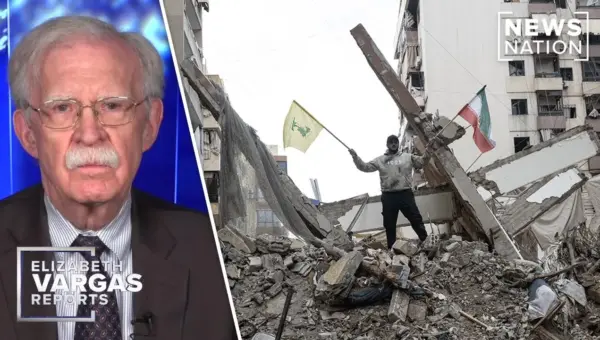
Iran Talks: Why Bolton Thinks Iran Won’t Keep Promises
John Bolton believes Iran has little incentive to honor any deal reached in upcoming peace talks. He argues Iran senses U.S. "panic" and sees President Trump seeking a way out for domestic political reasons, giving Iran significant leverage. Bolton is skeptical of Iran's commitment, citing their history of broken promises.


US-Iran Tensions Escalate Amid Ceasefire Confusion, Naval Showdown
Tensions between the U.S. and Iran are escalating as a critical ceasefire deadline approaches with uncertainty surrounding potential peace talks. A recent naval confrontation saw U.S. Marines seize an Iranian-flagged ship in the Gulf of Oman. Meanwhile, new polling indicates a majority of Americans disapprove of the President's handling of the situation.

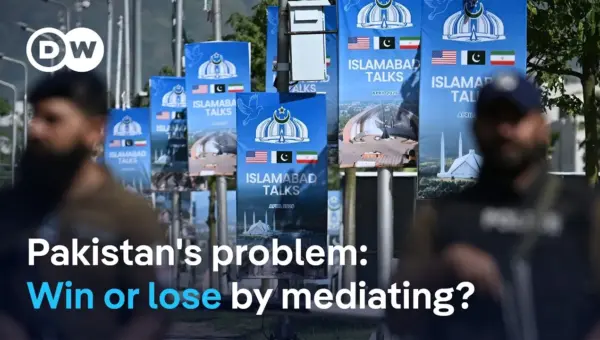
Pakistan Steps Up as Global Peacemaker Amidst Rising Domestic Anger
Pakistan is balancing its role as a key mediator in the U.S.-Iran conflict with rising domestic anger over American actions against Iran. While hosting crucial peace talks in Islamabad, the nation faces internal pressure and concerns about sectarian violence. This dual role highlights Pakistan's strategic importance and its complex relationship with regional and global powers.