Oil Crisis Deepens Amid Shifting Iran Deal Talks
The global oil market is grappling with its largest supply shortfall in 50 years, centered around the volatile situation at the Strait of Hormuz. Amidst shifting Iran deal talks and economic resilience, investors are watching closely for signs of stability. Technology and communication services sectors are currently driving the stock market's rise, even as recession risks linger.

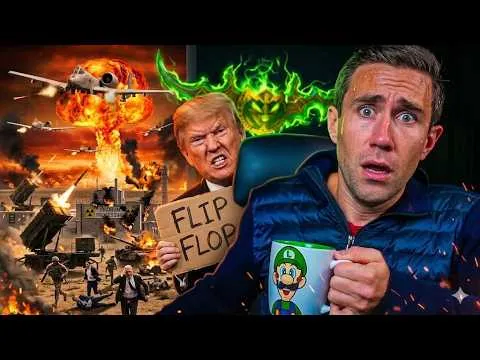
Oil Crisis Deepens Amid Shifting Iran Deal Talks
The global oil market is facing its largest supply shortfall in 50 years, a situation exacerbated by complex and seemingly contradictory negotiations with Iran. The Strait of Hormuz, a critical chokepoint for oil transport, remains in a state of flux, creating uncertainty for the global economy.
On Friday, there was optimism as the Strait of Hormuz was reported to be open, with celebrations and positive remarks from figures like Donald Trump regarding relations with China’s Xi Jinping. However, by Monday, the situation had reverted, with the Strait at a standstill. This ongoing volatility directly impacts oil supply, leading to concerns about sustained high energy prices, often referred to as ‘higher for longer,’ which can weigh heavily on economic growth.
Iran Negotiations and Economic Resilience
The U.S. economy has shown remarkable resilience despite these challenges. However, the prolonged nature of the oil supply shortfall poses a significant risk. This week’s negotiations regarding Iran are therefore critical to restoring the flow of oil and easing economic pressures.
The commentary around potential fuel shortages, particularly affecting airlines, highlights the gravity of the situation. While headlines may suggest airlines are running out of fuel, the economic reality is that prices will skyrocket. In a market economy, scarcity doesn’t mean disappearance; it means a steep price increase or longer waiting times, or often both.
Airlines and Thin Profit Margins
Airlines, known for their notoriously thin profit margins, are particularly vulnerable. The Cheesecake Factory is often cited as another example of a business operating on very tight margins, where a $100 sale might only yield a profit of around $3.90. This makes it difficult for such companies to absorb rising operational costs like fuel without significantly increasing prices.
When airlines report they cannot afford to lift fuel prices sufficiently, it means they are already operating at the edge of profitability. The current oil situation forces them into a position where they either absorb unsustainable costs or pass them on to consumers, risking reduced demand.
Market Sentiment and Investor Caution
Despite the economic headwinds, the stock market, particularly the S&P 500, has seen a notable rise. Goldman Sachs reports that approximately 70% of this market rebound is driven by gains in the information technology and communication services sectors. This suggests a narrow rally, where only a few specific areas are performing exceptionally well.
Other areas contributing to this movement include quantum computing-related stocks, Bitcoin-related meme stocks, expensive software, and artificial intelligence. However, analysts suggest that established tech giants like Microsoft, Google, and Nvidia might offer more stable investment opportunities than some of the more momentum-driven, smaller plays in these sectors.
The ‘Greed and Fear’ Index and Recession Risk
The CNN ‘Greed and Fear’ index currently sits at a ‘greed’ level. This indicates that investor optimism is high, but it also is a reminder that recession risks remain. The current economic situation is often likened to walking a tightrope, with various factors like private credit, unemployment figures, and international financial flows acting as winds and rain that can destabilize the economy.
While there is a possibility of an economic downturn, many analysts have adjusted their outlooks, suggesting a cautious optimism. The market has moved significantly from a highly bearish stance, indicating a belief that current trends, including the ongoing negotiations, might lead to a positive resolution.
Shifting Stances in Iran Negotiations
The negotiations surrounding Iran’s nuclear program and oil exports have been marked by significant shifts. Initially, there was a firm stance, with reports of key figures like JD Vance being involved in negotiations and deadlines being set. However, these deadlines and the composition of negotiation teams have seen rapid changes.
For instance, one day Donald Trump might state that a certain deadline is firm and that JD Vance will not be sent, only to revise the deadline and confirm Vance’s participation the next day. This ‘flip-flopping’ creates confusion but may also indicate a desire to reach an agreement. Iran’s own position has also seen shifts, moving from stating they would not negotiate to sending delegates, suggesting a complex diplomatic dance.
Geopolitical and Economic Implications
The Iranian economy is reportedly in a dire state, despite public pronouncements of defiance. Even within the Islamic Revolutionary Guard Corps (IRGC), there is acknowledgment of economic mismanagement. The authority to open the Strait of Hormuz, according to some reports, rests with the Supreme Leader, not through public statements or tweets.
This complex interplay of domestic politics, international pressure, and economic realities shapes the ongoing negotiations. The market is watching closely for any signs of a breakthrough that could restore stability to oil markets and ease inflationary pressures.
Looking Ahead: Market Outlook
While tactical caution is advised in the short term, especially regarding options trading with very short expiry dates, the medium to longer-term outlook appears cautiously optimistic. The resumption of oil flow, which is anticipated by many, could provide a significant boost to the global economy.
Analysts suggest looking at options contracts with expiry dates of 45 to 90 days out for potential opportunities. The current market environment, characterized by volatility and shifting geopolitical landscapes, highlights the importance of fundamental analysis and staying informed about economic indicators and geopolitical developments.
Key Takeaways for Investors
- The global oil supply faces its most significant shortfall in 50 years, impacting energy prices and economic growth.
- Negotiations with Iran remain fluid, with shifting deadlines and participant lists, creating market uncertainty.
- Despite economic challenges, the U.S. stock market has shown resilience, largely driven by the technology and communication services sectors.
- Investor sentiment is currently optimistic (‘greed’), but recession risks persist.
- Airlines and other low-margin businesses are particularly sensitive to rising energy costs.
- The situation emphasizes the need for caution in short-term trading while maintaining a focus on long-term economic fundamentals.
The resumption of oil flow through the Strait of Hormuz is a key event to watch. Analysts anticipate some form of agreement or extension in the current negotiations, which would be a bullish signal for the market.
Source: Trump JUST *Flip Flopped* AGAIN! (YouTube)

Related Articles


Lebanon Fears War on Its Soil; Epstein Ranch Probed
Residents in Beirut are living under the shadow of war, feeling like unwilling participants in a conflict fought on their land. Meanwhile, new documents are bringing Jeffrey Epstein's Zorro Ranch in New Mexico under intense scrutiny, as survivors push for investigations into alleged abuse at the isolated property.

Iran Talks Uncertain, Apple CEO Steps Down, Murder Case Advances
New questions arise about potential U.S.-Iran talks as Iran expresses uncertainty about attending. Meanwhile, Apple CEO Tim Cook is transitioning to Executive Chairman after a successful 15-year tenure. The news also covers a singer facing murder charges, a deadly shooting at a Mexican tourist site, and a mass shooting in Louisiana.
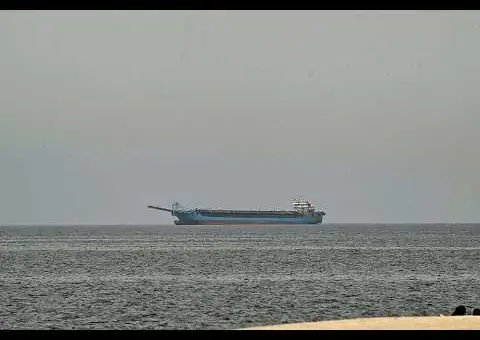
Iran’s Leaders Play ‘Dance of Cobras’ Amidst Power Void
Iran's leadership is engaged in a dangerous internal power struggle, likened to a 'dance of cobras' around an empty chair. This division fuels uncertainty and impacts international negotiations, as different factions vie for control.