Navy Hunts Drug Smugglers: 6 Boats Down This Month
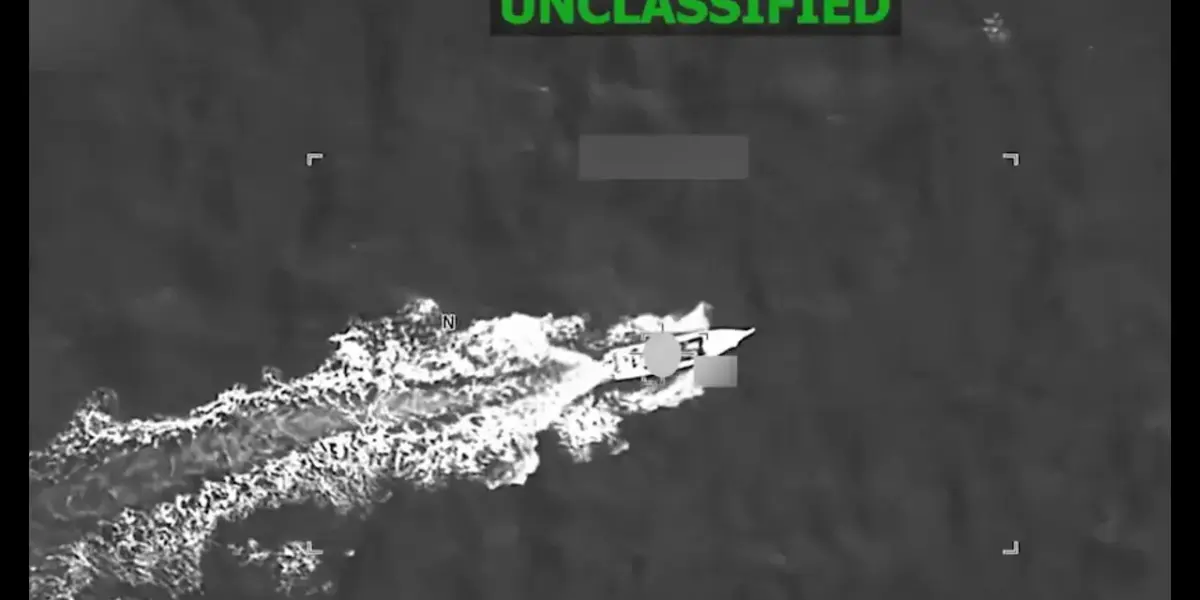
The U.S. military has intensified its fight against drug smugglers, striking six suspected drug boats this month. These operations, part of Operation Southern Spear, have resulted in the deaths of at least 17 individuals. No U.S. service members have been harmed.

Navy Hunts Drug Smugglers: 6 Boats Down This Month
The U.S. military recently carried out another strike against a boat suspected of carrying illegal drugs. This marks the sixth time this month that the military has taken action against such a vessel. These operations are part of a larger effort to disrupt drug trafficking in key regions.
Southern Command, responsible for U.S. military operations in the Caribbean and Latin America, reported that three individuals believed to be involved in drug trafficking were killed in the latest strike. This action took place in the Caribbean and is a part of what the military calls Operation Southern Spear. This operation specifically targets known routes used by drug smugglers.
The military has been busy in recent weeks. Last week, operations in the Eastern Pacific also resulted in significant actions.
Southern Command stated that three separate operations in that area led to the deaths of nine individuals suspected of being involved in drug trafficking. This adds to previous actions taken earlier in the month, which resulted in the deaths of five more individuals.
In total, the military reports that at least 17 suspected drug smugglers have been killed in these operations this month. Importantly, no U.S. service members were injured during any of these strikes. The military aims to maintain safety for its personnel while pursuing these dangerous targets.
Why This Matters
These strikes highlight the ongoing and intensifying battle against international drug cartels. The U.S. military is using its resources to directly confront drug smuggling operations, particularly at sea. This approach shows a commitment to disrupting the flow of illegal drugs that can have devastating effects on communities both in the U.S. and abroad.
The strategy involves identifying and intercepting vessels on known drug trafficking routes. By taking direct action against these ships, the military hopes to prevent drugs from reaching their destinations. This is a costly and dangerous effort, requiring constant vigilance and advanced capabilities.
Background and Context
Drug trafficking has been a major concern for decades, leading to various U.S. government initiatives. Historically, efforts have included law enforcement actions, interdiction patrols, and international cooperation. Naval operations like these represent a more direct, kinetic approach to combating the problem at its source or along transit routes.
The Caribbean and Eastern Pacific are critical transit zones for drugs moving towards North America. Cartels often use maritime routes because they can move large quantities of drugs discreetly. The military’s increased activity suggests a response to the persistent threat these organizations pose.
Trends and Future Outlook
The military’s aggressive stance in Operation Southern Spear suggests a potential trend towards more direct intervention. This could signal a shift in how the U.S. addresses drug trafficking, moving beyond traditional law enforcement methods alone. The focus on eliminating vessels and personnel involved indicates a strategy aimed at immediate disruption.
Future operations will likely continue to target these maritime routes. The success of such missions will depend on intelligence gathering, technological advancements for detection, and the ability to conduct strikes safely and effectively. The long-term impact on drug supply and cartel operations remains to be seen, but these actions represent a significant effort to combat the issue.
The next reported strike or significant interdiction could occur at any time, as these operations are ongoing.
Source: US Military Strikes 6th Alleged Drug Boat This Month (YouTube)

Related Articles
US Troops Train Near China’s Waters, Raising Tensions
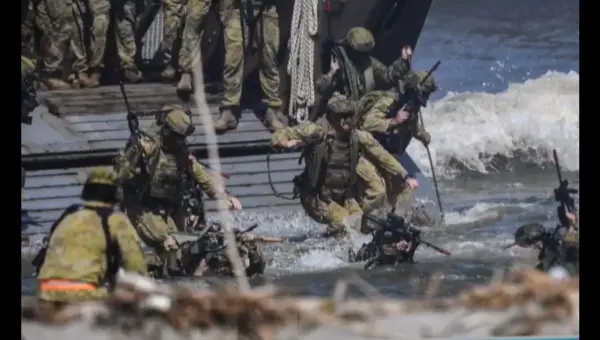
Thousands of US and Philippine troops are conducting major combat drills near the disputed South China Sea and Taiwan Strait. China opposes the exercises, calling them containment efforts, while the US and Philippines say they are defensive. The drills highlight growing regional tensions.


US Warns Iran on Strait of Hormuz Actions
The U.S. military has issued a strong warning to Iran regarding actions in the Strait of Hormuz. Following IRGC attacks on merchant ships, Washington signaled potential precision strikes on Iranian infrastructure if diplomatic efforts fail. Advanced drones are providing real-time intelligence, underscoring readiness for escalation.

US Military Prepares to Board Iran-Linked Ships
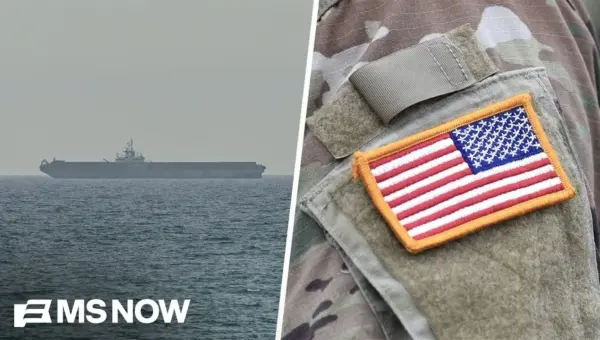
The U.S. military is preparing to board Iran-linked ships in international waters as part of a new strategy called 'Economic Fury.' This move aims to cut off funding for the Iranian regime and could lead to the seizure of oil tankers. Experts warn this escalates the conflict, driven by 'zero-sum' demands from both sides.