US Shoots Smugglers: Is the Caribbean Drug War Escalating?
U.S. forces recently struck a drug smuggling boat in the Caribbean, killing three suspected traffickers. This action highlights the ongoing, complex battle against drug routes that have long plagued the region and poses questions about the effectiveness of such direct confrontations.

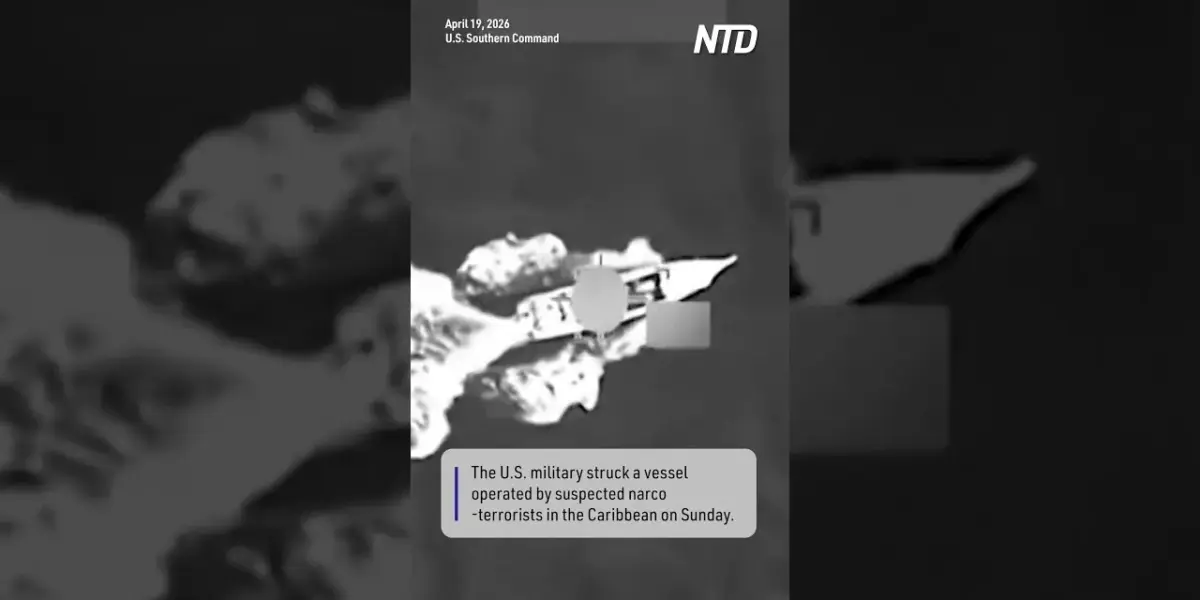
US Forces Strike Drug Boat in Caribbean, Killing Suspects
U.S. military forces recently conducted a direct strike on a suspected drug smuggling vessel in the Caribbean Sea. The operation, announced by U.S. Southern Command, resulted in the deaths of three individuals identified by the military as illicit drug smugglers and narco-terrorists. This action highlights the ongoing efforts by the United States to combat drug trafficking in the region.
The U.S. military has been actively involved in interdicting drug shipments in international waters. These missions often involve naval patrols and specialized units trained to intercept vessels suspected of carrying illegal narcotics. The goal is to disrupt the flow of drugs before they reach U.S. shores.
The Caribbean as a Drug Trafficking Route
The Caribbean Sea has long been a critical transit zone for illegal drugs, particularly cocaine, moving from South America to North America and Europe. Its vast expanse and numerous islands provide cover for smuggling operations. This has led to persistent challenges for law enforcement agencies attempting to police the area.
Historically, various routes have been used by drug cartels to move their products. These routes often change as law enforcement tactics evolve. The use of speedboats, semi-submersibles, and even small aircraft are common methods employed by these criminal organizations.
Why This Matters
The recent strike signifies a direct confrontation in the ongoing war against drug trafficking. Such actions, while aimed at disrupting criminal enterprises, also raise important questions about the methods used and their effectiveness in the long term. The U.S. military’s involvement highlights the perceived threat that drug smuggling poses to national security and regional stability.
The term “narco-terrorists” suggests a connection between drug trafficking and terrorism, a linkage that U.S. authorities often emphasize. This framing can justify more aggressive interdiction strategies and international cooperation. However, it also simplifies complex criminal networks into a single, easily defined enemy.
Broader Context: The War on Drugs
The U.S. has been engaged in a “war on drugs” for decades, with varying strategies and levels of intensity. From interdiction efforts at sea to domestic law enforcement and international aid programs, the approach has been complex. Despite significant investment, drug trafficking and addiction remain persistent problems.
The effectiveness of kinetic strikes like the one described is debated. While they may temporarily disrupt operations and remove individuals involved, they often do not address the root causes of drug production or demand. Critics argue that such methods can lead to a cat-and-mouse game, where traffickers adapt and find new ways to operate.
Implications and Future Outlook
This incident suggests that the U.S. military will continue to prioritize interdiction operations in the Caribbean. The focus on “narco-terrorists” indicates a hardening stance against organizations perceived as threats to both security and public health. It also points to a willingness to use lethal force when deemed necessary.
The future outlook for combating drug smuggling in the Caribbean likely involves continued international cooperation, intelligence sharing, and advanced surveillance technologies. However, the long-term success of these efforts may depend on addressing underlying issues such as poverty, corruption, and demand for drugs in consuming nations.
Historical Precedents
The U.S. has a history of military involvement in combating drug trafficking in Latin America and the Caribbean. Operations have ranged from supporting local law enforcement to direct interdiction missions. These efforts have often been controversial, with debates over sovereignty and the unintended consequences of military intervention.
For example, the “Plan Colombia” initiative, launched in the early 2000s, involved significant U.S. military and financial aid aimed at combating drug production and trafficking in Colombia. While it achieved some successes, it also faced criticism for its human rights record and its limited impact on overall drug flows.
The Cycle of Interdiction
Interdiction efforts, while necessary, can create a cycle. When one route or method is shut down, traffickers often find another. This constant adaptation means that law enforcement and military forces must remain vigilant and flexible.
The strike on the smuggling boat is one tactic in a much larger, complex strategy. It represents a direct action taken against suspected criminals engaged in illegal activities that impact the United States and the wider region. The military’s stated goal is to degrade the capacity of these organizations.
Conclusion: An Ongoing Battle
The recent U.S. military strike in the Caribbean is a clear signal that the fight against drug smuggling remains a high priority. The operation highlights the dangers faced by both those involved in trafficking and the forces attempting to stop them.
As these efforts continue, the effectiveness and human cost of such operations will undoubtedly remain subjects of discussion and scrutiny. The U.S. Southern Command’s actions reflect a commitment to disrupting illicit trade routes, but the challenge of eradicating drug smuggling from the region is far from over.
Source: US Military Announces Latest Caribbean Narco Smuggling Boat Strike (YouTube)

Related Articles

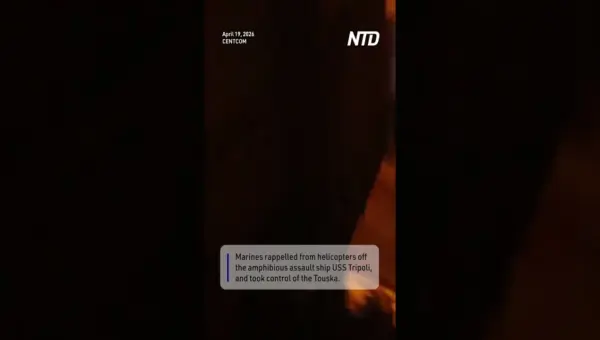
Marines Raid Ship: A Bold Move in the Arabian Sea
U.S. Marines seized an Iranian ship, the M/V Touska, in the Arabian Sea after a six-hour standoff. The USS Spruance disabled the ship's engines before Marines rappelled from helicopters to take control. This operation highlights ongoing regional tensions and U.S. commitment to maritime security.
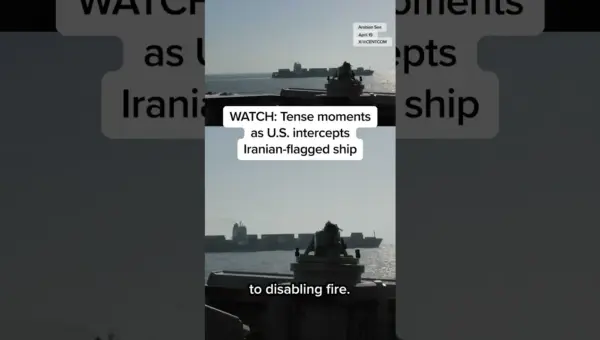
US Navy Seizes Iranian Ship After Tense Standoff
U.S. Navy forces seized an Iranian-flagged vessel after a six-hour standoff, during which the crew ignored repeated warnings. The ship is now in U.S. custody as part of ongoing port blockades. This incident highlights ongoing maritime security challenges in the Persian Gulf.
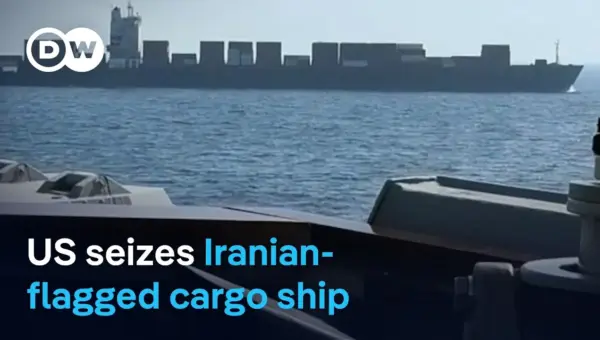
US Seizes Iranian Ship, Sparking Tensions and Oil Price Hikes
The US has seized an Iranian cargo ship, the Tauska, in the Gulf of Oman, escalating tensions and causing oil prices to surge. Iran has condemned the act as piracy and a violation of a ceasefire. Analysts suggest the seizure might push both sides toward diplomacy, though concerns remain about the potential for a superficial agreement.