Europe Charts a New Course Amid Global Shifts
European leaders are prioritizing strategic independence, driven by global uncertainty and shifting U.S. policies. Discussions focus on deepening defense cooperation, bolstering capabilities, and playing a more active diplomatic role in global conflicts. While challenges remain, the continent is charting a course towards greater self-reliance.

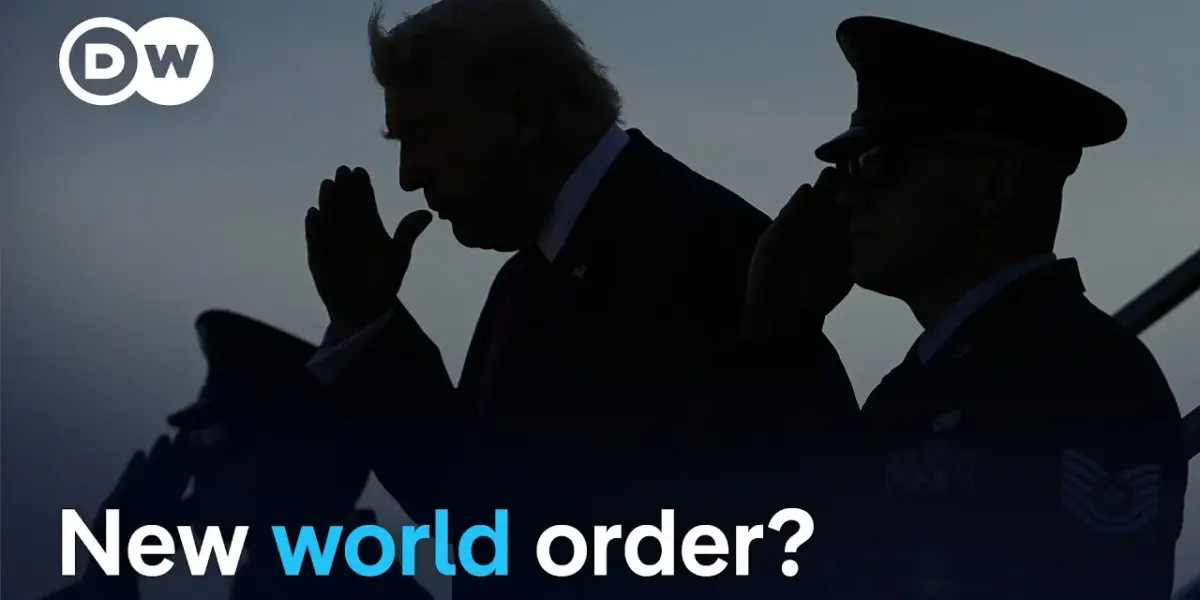
Europe Seeks Strategic Independence
European leaders are increasingly focused on taking control of their own security and future, a move spurred by global instability and changing U.S. priorities. This growing desire for strategic independence is not about abandoning alliances, but about building stronger European capabilities. The goal is to ensure the continent can act decisively, even when facing uncertainty about its traditional partners.
Canadian Prime Minister Mark Carney recently highlighted this shift, stating that past strengths tied to the U.S. have become weaknesses. He emphasized the need to correct these vulnerabilities and regain control over Europe’s security and borders. This sentiment was echoed by French President Emmanuel Macron and Polish Prime Minister Donald Tusk, who met to discuss deeper defense cooperation in response to Russian threats.
Defense Cooperation Takes Center Stage
Macron and Tusk’s meeting in Poland focused on enhancing military coordination. Discussions included Poland potentially working more closely with France’s nuclear deterrent and joint European defense projects. This collaboration aims to strengthen Europe’s ability to respond to immediate threats while also planning for the long term.
The urgency for such cooperation is clear, especially in light of ongoing conflicts and evolving geopolitical dynamics. European leaders are navigating a complex path, seeking to strengthen their own defense while still valuing established partnerships. This balancing act is crucial for maintaining stability in an unpredictable world.
Beyond Trump: Deeper U.S. Policy Shifts
Steven Evers, Director of the EU Institute for Security Studies, believes Europe’s push for defense strength goes beyond just the Trump presidencies. He explained that for years, European nations have discussed strengthening their foreign policy and defense capabilities. However, the return of Donald Trump has significantly accelerated these conversations.
Evers stressed that it would be a mistake to think these changes are solely dependent on one U.S. president. He warned against simply waiting for a return to past norms, stating that even in a post-Trump era, the United States may not revert to its previous role. Therefore, Europe must prepare for a future with potentially less American engagement.
Investing in Capabilities, Not Just Spending
While European defense spending is increasing, Evers cautioned that more money doesn’t automatically mean more capability. He explained that Europe needs greater integration and collaboration within its defense sector. Simply increasing national budgets for 27 individual countries will not create the necessary strength.
The focus must be on spending smarter and collectively. This includes developing joint projects for critical areas like air defense, drone technology, and satellite communications. Europe currently relies heavily on the U.S. for these capabilities, highlighting a significant weakness that needs addressing through integrated European solutions.
A Diplomatic Role in Global Conflicts
Evers also addressed Europe’s role in conflicts beyond its immediate borders, such as the war involving Iran. He argued that while Europe may not be a direct participant, it is heavily affected by such events. Disruptions to key shipping routes, like the Strait of Hormuz, have significant economic consequences, including higher energy prices.
He pointed out a diplomatic void, noting that past negotiations between the U.S. and Iran have not yielded lasting results. Evers believes Europe, with its history of successful multilateral diplomacy, can and should play a more proactive role. This could involve building diplomatic alliances with countries in the Gulf and Asia who share Europe’s interest in reopening vital trade routes.
Building a Broader Diplomatic Coalition
Evers suggested that a European-led diplomatic effort could complement existing negotiations. He noted the deep mistrust between the U.S. and Iran, making alternative diplomatic channels valuable. A broader coalition involving Europeans, Gulf Arabs, Asians, and other international partners could work towards a negotiated outcome.
This approach aims to end the current conflict, reopen the Strait of Hormuz, and address other outstanding issues. Evers believes that past successes in multilateral diplomacy demonstrate that such efforts can be effective again. The key is to move beyond simply reacting to events and to actively shape solutions.
Navigating the Challenge of Transition
The transition towards greater European strategic independence presents challenges. Evers acknowledged that Europe might feel caught in the middle, with weakened ties to the U.S. and not yet strong enough to act entirely alone. This period requires careful navigation and strategic planning.
He suggested focusing on core defense issues related to the Russia-Ukraine conflict as a starting point. By scaling up deterrence against Russia and working with Ukraine, Europe can take on a greater share of its own defense. This would reduce the reliance on the United States, particularly in areas like conventional deterrence.
The Nuclear Deterrent Question
The issue of nuclear deterrence remains a significant area where Europe is far from replacing U.S. capabilities. While France and the UK possess nuclear weapons, they do not equate to the scale of the U.S. offering. Evers noted that some discussions suggest a potential path forward where Europe handles conventional deterrence, and the U.S. maintains its role in nuclear deterrence.
This proposed division of labor could be a feasible track for Europe’s security. It acknowledges the current realities while outlining a potential future where Europe takes on more responsibility for its defense. The focus remains on building robust capabilities and acting with partners to secure a stable future.
Source: Is Europe ready for a Post-America world? (YouTube)

Related Articles

Trump’s Iran Threats Expose Desperation Amidst Falling Approval
Donald Trump's recent online statements about Iran, including threats of "total destruction," have alarmed global leaders. These aggressive pronouncements come amidst low approval ratings and a complex geopolitical climate, raising concerns about potential escalation.
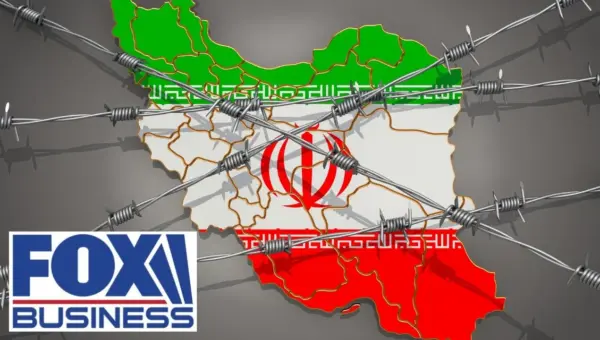
Iran’s Economy Hit: $450 Billion Daily Loss Amid Blockade
Iran is reportedly losing $450 billion daily due to a strategic blockade, significantly squeezing its economy. Analysts believe the focus has shifted to diplomatic and economic pressure to compel internal political changes within the regime. Building an international coalition is seen as crucial for success, with the potential for renewed military operations if diplomatic efforts fail.

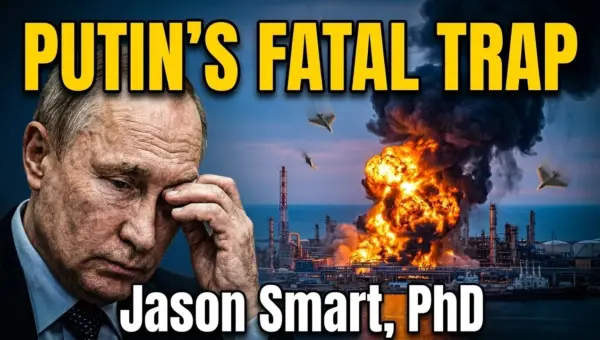
Ukraine Downs Drones, Crippling Russia’s Black Sea Edge
Ukraine has achieved a significant strategic advantage by developing the ability to shoot down Russian drones over the Black Sea. This capability cripples a key Russian advantage and comes as Moscow's battlefield gains shrink and costs soar. Ukraine's multi-pronged strategy targets Russian supply lines, economic infrastructure, and military production, aiming to make the war unsustainable for the Kremlin.