LA Fires Surge 75,000 Amid Homeless Crisis
Los Angeles firefighters have responded to over 75,000 fires linked to homeless encampments since 2020, straining resources. While the city spends heavily on homelessness, a 'Housing First' approach alone is proving insufficient, with experts advocating for treatment of addiction and mental illness as root causes. Meanwhile, San Francisco struggles with recovery due to high costs, and the AI boom's job impact remains uncertain.

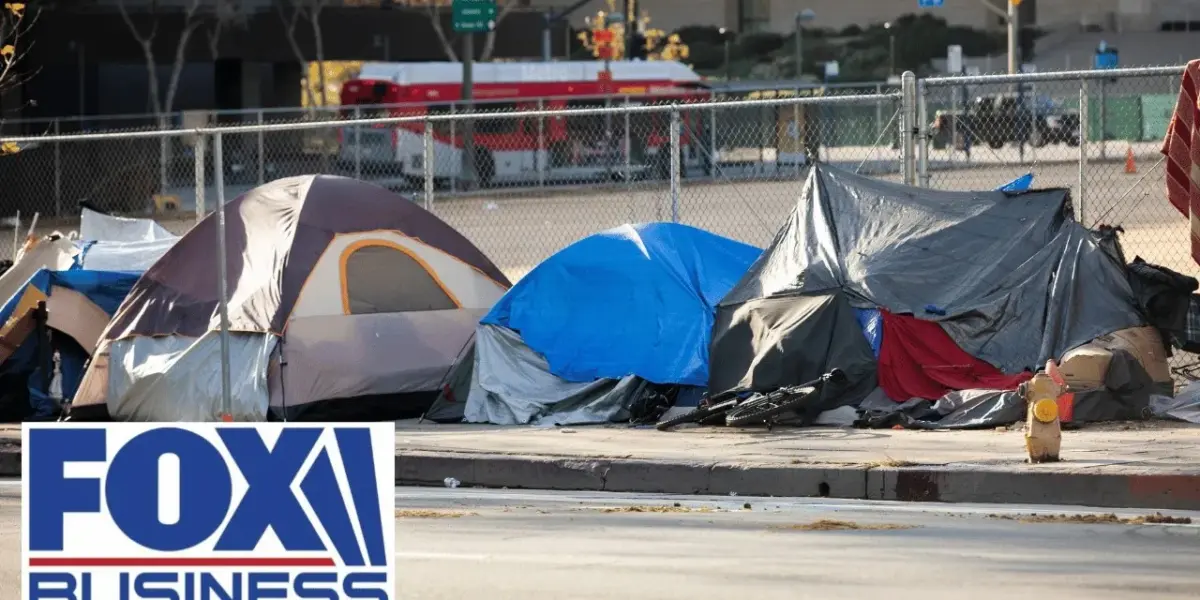
LA Blazes Escalate as Homelessness Overwhelms City Services
Los Angeles is facing a critical emergency as fires linked to homeless encampments have surged dramatically. The Los Angeles Fire Department has responded to over 75,000 such fires since 2020. Officials report that the sheer volume of these incidents, combined with understaffing, is slowing down their response times, making an already difficult situation even more dangerous.
This alarming trend highlights a growing crisis where the city’s homeless problem is directly impacting essential services. In the crucial year before the devastating Palisades Fire, Los Angeles reportedly spent approximately $900 million on homelessness.
In stark contrast, the fire department received only about $800 million during the same period. This funding imbalance is now evident in the department’s struggle to manage the increasing number of fires.
Homelessness Devours City Resources
The scale of the issue is staggering: roughly one-third of all fire calls in Los Angeles are now related to fires originating in homeless encampments. This means the city’s most vulnerable population is not only struggling with housing but also creating significant safety hazards for the entire community. The homeless problem has grown so large that it is now consuming resources and attention that should be directed towards other vital city functions, effectively devouring the city itself.
‘Housing First’ Falls Short
Los Angeles has largely adopted a ‘Housing First’ approach to homelessness. This strategy aims to provide immediate housing without requiring individuals to meet certain conditions, like sobriety or treatment. However, this approach has proven insufficient on its own.
Simply placing individuals inside four walls does not solve the complex underlying issues. Many people placed in temporary housing, such as hotels and motels, end up leaving because their deeper needs are not being met. This approach often fails to address the root causes of homelessness.
Addressing Root Causes is Key
Cities like San Francisco, which historically faced a severe homelessness problem, are seeing more success by focusing on different strategies. Their approach prioritizes treating addiction and mental illness first. These conditions are frequently the underlying reasons why people become and remain homeless.
Generous welfare benefits and numerous organizations focused on government programs can inadvertently create a system that perpetuates homelessness. This phenomenon is sometimes referred to as the ‘homeless industrial complex,’ suggesting that the existing structure may unintentionally keep the problem going. Experts argue this complex system needs to be dismantled and rethought.
San Francisco’s Slow Recovery and the AI Factor
San Francisco is still grappling with the aftermath of the pandemic, which saw many residents leave the city. Harsh pandemic rules contributed to this exodus. Even with the easing of these restrictions, the high cost of living remains a major barrier to people returning.
In a time of remote work, many skilled professionals now prefer to live in areas with a lower cost of living and potentially lower taxes. They can still work for San Francisco-based companies from these locations. This trend makes it difficult to attract talent back to the expensive Bay Area.
While the rise of artificial intelligence (AI) is bringing significant investment to the Bay Area, its impact on job creation is still uncertain. AI could create new jobs, but it might also eliminate existing ones.
The net effect on employment remains unclear, and it has not yet been enough to bring people back to the city in large numbers. The persistent issues of homelessness, drug use, and crime continue to affect San Francisco’s recovery.
Controversy at Coachella: The Strokes and the Middle East Conflict
In a separate incident, the band The Strokes faced criticism for airing an anti-Israel video during their performance at the Coachella music festival. This action drew comparisons to the Nova Music Festival in southern Israel, where Hamas terrorists murdered nearly 400 Israelis on October 7, 2023.
The timing and context of the video were seen as particularly insensitive, given the brutal attack on a similar music festival. Performing such a video at a desert festival in California, without apparent sympathy for the victims of the October 7th attacks, was striking to many observers.
This event is a reminder of the complexities surrounding the Middle East conflict. It highlights the need for careful consideration when artists engage with sensitive political issues. The band’s decision to display the video has been viewed by some as a disservice to themselves and an insult to the victims.
Market Impact
The surge in fires related to homeless encampments in Los Angeles directly impacts city resources and public safety. Increased demand on the fire department can lead to higher operational costs and potential strain on personnel. The broader economic implications include potential impacts on tourism and business confidence if public safety is perceived to be declining.
In San Francisco, the high cost of living and persistent social issues could continue to deter businesses and skilled workers. This may slow down economic growth and investment in key sectors like technology, despite AI advancements. The effectiveness of different approaches to homelessness, such as ‘Housing First’ versus treatment-focused models, will have long-term financial consequences for city budgets and social services.
What Investors Should Know
For investors, the situation in Los Angeles and San Francisco highlights the importance of understanding the impact of social issues on urban economies. Companies operating in these cities may face higher operational costs or reduced consumer spending if these problems are not addressed effectively.
The debate over homelessness solutions, particularly the effectiveness of ‘Housing First’ versus addressing addiction and mental health, suggests that future policy changes could influence resource allocation. Investors in real estate, public services, and technology companies should monitor these developments. The ongoing discussion about AI’s job market impact also warrants attention for its potential to reshape the economy.
The incident involving The Strokes at Coachella also points to the growing influence of social and political statements in entertainment. Brands and companies associated with such events may face scrutiny, influencing marketing and sponsorship decisions.
The next major report on Los Angeles fire department response times is expected in the upcoming quarter.
Source: 'DEVOURING THE CITY': Joel Pollak SOUNDS ALARM over LA's homeless problem (YouTube)

Related Articles


Singer D4vd Charged with First-Degree Murder
Singer D4vd has been charged with first-degree murder in Los Angeles, connected to the death of 14-year-old Celeste Rivas Hernandez. Her remains were found in the singer's car last year. Prosecutors have added special circumstances to the charges, which could lead to life in prison without parole or the death penalty.

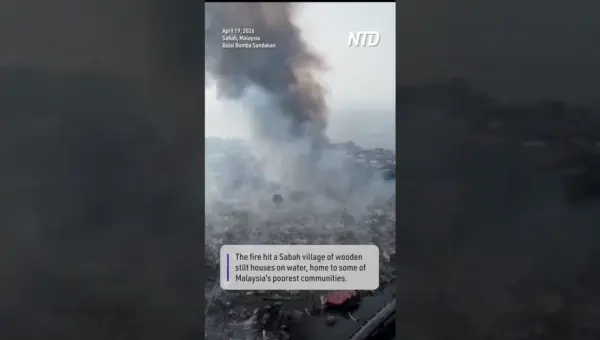
Borneo Fire Rips Through Village, Leaving Thousands Homeless
A devastating fire destroyed approximately 1,000 homes in a coastal village on Malaysia's Borneo Island, displacing thousands. The incident highlights the vulnerability of stilt villages to fire and the urgent need for disaster preparedness and aid.


Singer D4vid Charged With First-Degree Murder
Singer D4vid, real name David Anthony Burke, faces first-degree murder charges in connection with the death of 14-year-old Celeste Rivas Hernandez. Her remains were found in his car last year. Prosecutors allege special circumstances, including lying in wait and financial gain, which could result in life in prison or the death penalty.