Trump’s Security Clearance Questioned Amidst Secret Military Briefings
Senior officials reportedly limited then-President Trump's access to sensitive military planning due to concerns about his impulsiveness and potential to leak information. This exclusion raises serious questions about his fitness for the job and highlights a deep lack of trust within national security circles.


Military Leaders Limited Trump’s Access to Sensitive Plans
Reports suggest that during a critical pilot rescue operation, senior officials deliberately withheld sensitive information from then-President Donald Trump. This decision stemmed from serious concerns about his potential impulsiveness and the risk of him revealing classified details. Key military leaders reportedly made crucial decisions without fully briefing him, raising significant questions about his fitness for office.
The situation described is extraordinary: a sitting U.S. president being excluded from vital military planning due to fears of erratic behavior and information leaks. This lack of full disclosure highlights a deep lack of trust from those responsible for national security. It forces us to consider whether a leader who cannot be fully trusted with sensitive information is truly equipped to lead the nation.
Assessing the President’s Fitness for Command
The exclusion of President Trump from these sensitive planning sessions prompts a direct question: Was he fit for the presidency? Some argue that the president was never suited for the demands of the job. If the pilot rescue operation was indeed successful as reported, the credit belongs to the brilliant execution by the U.S. military personnel involved.
However, a significant portion of the public holds a different view regarding official narratives. Many believe that the stated reasons for operations, like the pilot rescue, may not tell the whole story. There is a prevailing sentiment that the true objective might have been different, perhaps related to acquiring uranium, rather than solely a rescue mission.
Trust in Information and Strategic Exclusion
This skepticism extends to how legacy media outlets report on major events. Many people feel that official accounts, even those presented by established news sources, should not be accepted without scrutiny. The idea that vital information is being withheld or misrepresented is a growing concern for a segment of the population.
If the operation unfolded exactly as officially described, then excluding the president from the planning room was a logical, albeit concerning, step. It suggests that military leaders prioritized operational security over presidential involvement. This points to a situation where the president’s personality was seen as a potential liability during a high-stakes, precision mission.
Why This Matters
The implications of a president being excluded from critical national security planning are profound. It suggests a breakdown in the chain of command and a severe erosion of trust between the executive and the military. Such a situation, if true, indicates that the commander-in-chief was perceived as a risk to national security operations.
This event, if it occurred as described, speaks volumes about the challenges of leadership during times of crisis. It raises questions about the vetting process for high office and the ultimate accountability for national security decisions. The public deserves transparency about how such critical decisions are made and who is truly in control.
Historical Context and Future Outlook
Throughout history, presidents have relied on the counsel and expertise of their military advisors. While presidents ultimately make the final decisions, they are typically brought into the planning process for major operations. The reported exclusion of Trump from sensitive planning marks a significant departure from this norm.
This incident, whether viewed as a necessary security measure or a sign of presidential unsuitability, highlights the immense pressures and complexities of the presidency. It highlights the importance of a leader’s temperament and judgment in handling sensitive military matters. The future of presidential decision-making in national security will undoubtedly be shaped by how such trust issues are addressed.
The Uranium Acquisition Theory
One persistent theory suggests the operation was not primarily about a pilot rescue but rather about securing a significant amount of uranium. This alternative narrative suggests a more complex geopolitical objective behind the military action.
If this theory holds any water, it further complicates the assessment of the operation and the president’s role. It implies that the president might have been kept in the dark about the true nature of the mission to prevent leaks or interference with a more strategic goal.
Concluding Thoughts on Leadership
The question of whether Donald Trump was fit for the presidency remains a subject of intense debate. The specific incident of being excluded from sensitive military planning provides a stark illustration of the concerns some officials held regarding his judgment and discretion.
Ultimately, the success of the military operation itself, regardless of the president’s involvement, is proof of the capabilities of the U.S. armed forces. However, the underlying issues of trust and information security at the highest levels of government demand ongoing public attention and scrutiny.
Future analyses of this period will likely continue to examine the dynamics of trust and decision-making within the Trump administration, particularly concerning national security.
Source: If Trump is deliberately being excluded from Iran military plans, is he fit for the job? (YouTube)

Related Articles
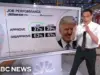
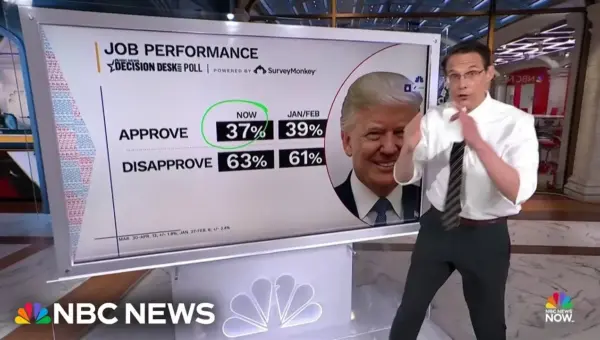
Trump Approval Dips to New Low Amid War and Rising Costs
President Trump's approval rating has dropped to a new low of 37%, with the ongoing war in Iran and rising inflation cited as key reasons. Young voters, particularly Generation Z, are showing significant disapproval, with 76% expressing negative views of his job performance. Student interviews reveal widespread frustration with economic conditions and foreign policy decisions.

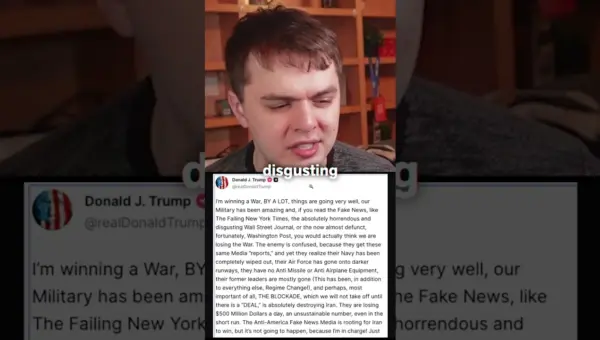
Trump Rewrites War Narrative, Blames Democrats for Failure
Donald Trump is blaming Democrats for a difficult situation with Iran, a move critics call a political tactic to deflect blame. This follows a pattern of cutting taxes, reducing benefits, and increasing debt, with blame then shifted to the opposition when things go wrong.

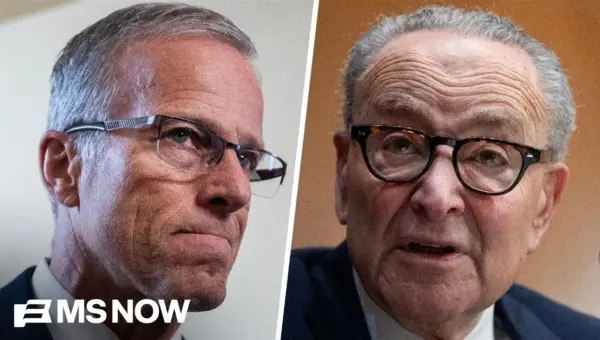
GOP Senate Hopes Fade as Trump’s Shadow Looms Large
Republicans are increasingly concerned about Democrats' chances of winning the Senate in November, largely due to Donald Trump's low approval ratings and struggles with independent voters. Key races in states like North Carolina and the overall political climate suggest a tough road ahead for the GOP as the election approaches.