US Navy Seizes Iranian Ship After Tense Standoff
U.S. Navy forces seized an Iranian-flagged vessel after a six-hour standoff, during which the crew ignored repeated warnings. The ship is now in U.S. custody as part of ongoing port blockades. This incident highlights ongoing maritime security challenges in the Persian Gulf.

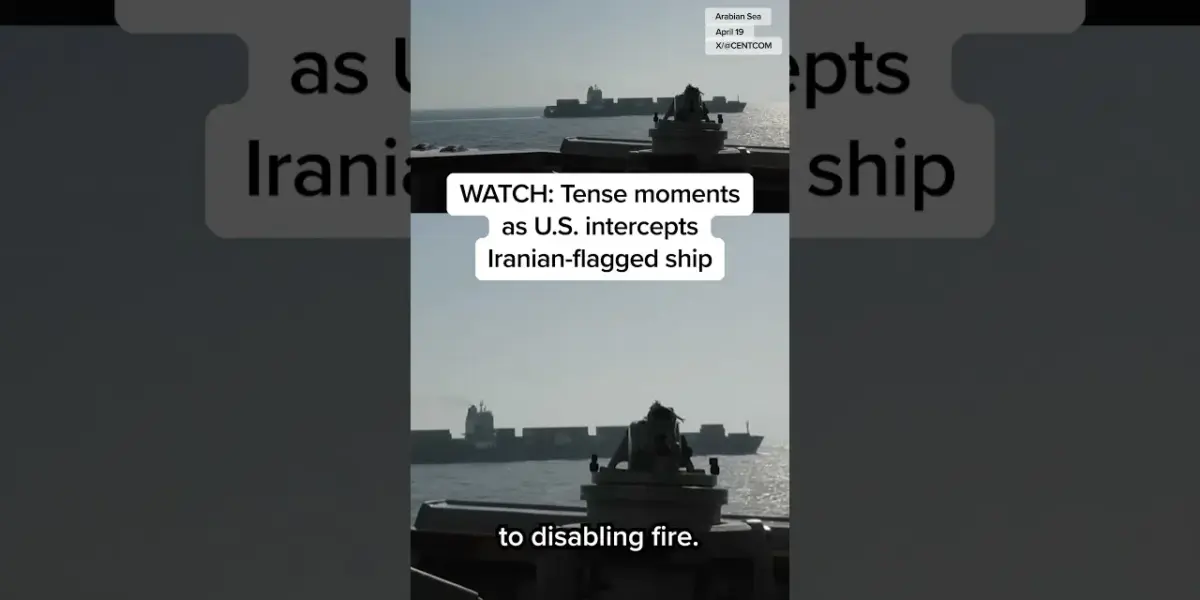
US Navy Seizes Iranian Ship After Tense Standoff
U.S. Navy forces have seized an Iranian-flagged vessel following a tense standoff at sea. The ship’s crew reportedly ignored multiple warnings over a six-hour period before U.S. forces took control.
The vessel is now in U.S. custody, according to U.S. Central Command (CENTCOM). This incident highlights ongoing tensions in the region and the U.S. commitment to enforcing maritime security.
Tense Hours at Sea
The dramatic encounter unfolded as U.S. forces attempted to intercept the Iranian-flagged ship. CENTCOM released video footage showing the moments leading up to the seizure.
The footage captures U.S. personnel issuing warnings to the vessel. These warnings were reportedly ignored by the ship’s crew for a significant duration.
After a prolonged period of non-compliance, U.S. forces proceeded with boarding and securing the vessel. The operation was conducted as part of the U.S. efforts to maintain a blockade on Iranian ports. Such blockades are often implemented to enforce international sanctions or to prevent illicit activities at sea.
CENTCOM Statement and Context
U.S. Central Command confirmed the seizure in a statement. They emphasized that the vessel’s crew “failed to comply with repeated warnings over a six-hour period.” This prolonged defiance necessitated direct intervention by U.S. naval forces. The command also stated that the ship remains in U.S. custody, indicating a successful completion of the operation from their perspective.
This action is part of a broader strategy by the U.S. military in the Middle East. CENTCOM is responsible for a vast area, including critical shipping lanes in the Persian Gulf and the Arabian Sea. These waters are vital for global trade, making maritime security a top priority for the United States and its allies.
Maritime Security in a Volatile Region
The seizure of the Iranian-flagged vessel highlights the complex maritime security challenges in the Persian Gulf. This region is a critical chokepoint for global oil supplies and international shipping. Iran has historically used its naval forces and proxy groups to disrupt shipping or harass vessels in these waters.
The U.S. Navy regularly patrols these waters to deter aggression, ensure freedom of navigation, and counter smuggling and other illegal activities. These patrols involve constant vigilance and readiness to respond to threats. The successful interception of the Iranian ship demonstrates the U.S. Navy’s capability to enforce maritime law and protect international interests.
Broader Implications and Future Watch
This incident could have further implications for U.S.-Iran relations, which are already strained. The seizure of an Iranian vessel, especially one operating under a blockade, is likely to draw a strong reaction from Tehran. It also is a clear signal to other nations and groups that the U.S. is serious about maintaining order in the maritime domain.
Moving forward, attention will be on Iran’s response to this seizure. Diplomatic channels may become active, or Iran might retaliate in other ways.
Observers will also be watching to see if this event leads to any changes in U.S. maritime patrol strategies or the enforcement of sanctions against Iran. The situation at sea remains a critical barometer for regional stability.
Source: WATCH: Tense moments as U.S. intercepts Iranian-flagged ship (YouTube)

Related Articles


US Navy Fires on, Seizes Iranian Tanker Amid Escalating Tensions
The U.S. Navy has escalated tensions with Iran by firing upon and seizing an Iranian cargo ship in the Strait of Hormuz. This action occurred just before crucial peace talks were set to begin, casting doubt on diplomatic efforts. Meanwhile, a devastating mass shooting in Louisiana has left a community in mourning, and Japan is responding to a major earthquake and tsunami warning.
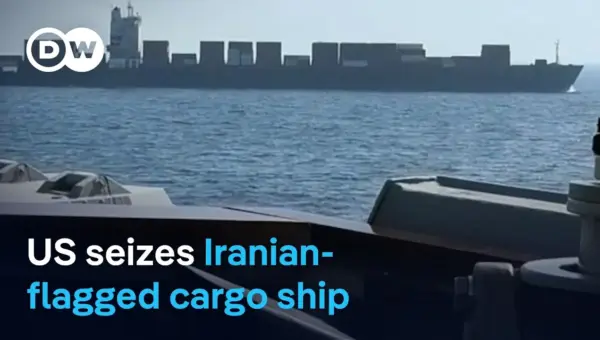
US Seizes Iranian Ship, Sparking Tensions and Oil Price Hikes
The US has seized an Iranian cargo ship, the Tauska, in the Gulf of Oman, escalating tensions and causing oil prices to surge. Iran has condemned the act as piracy and a violation of a ceasefire. Analysts suggest the seizure might push both sides toward diplomacy, though concerns remain about the potential for a superficial agreement.

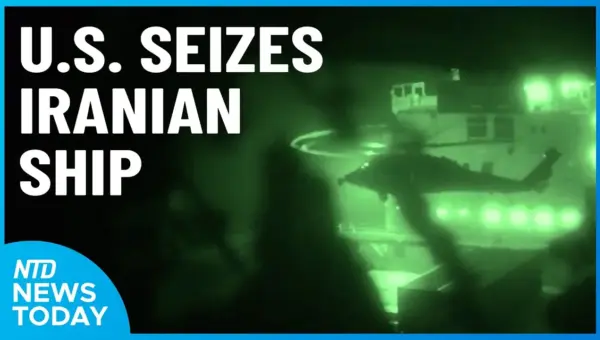
US Seizes Iranian Ship Amid Escalating Tensions
US forces have seized an Iranian ship attempting to breach a naval blockade, escalating tensions ahead of crucial peace talks. Iran has vowed retaliation, while the US warns of further action if a deal isn't reached. The Strait of Hormuz remains a flashpoint, impacting global energy markets.