Hungary’s Orbán Loses Kremlin Ally Amid EU Sanctions Probe
Hungary's alignment with Russia is under scrutiny following accusations of document shredding related to EU sanctions. This development, coupled with ongoing Russian influence efforts elsewhere in Europe, signals a potential setback for Moscow. Meanwhile, optimism surrounding Ukraine peace talks is tempered by strategic messaging and unresolved territorial disputes.

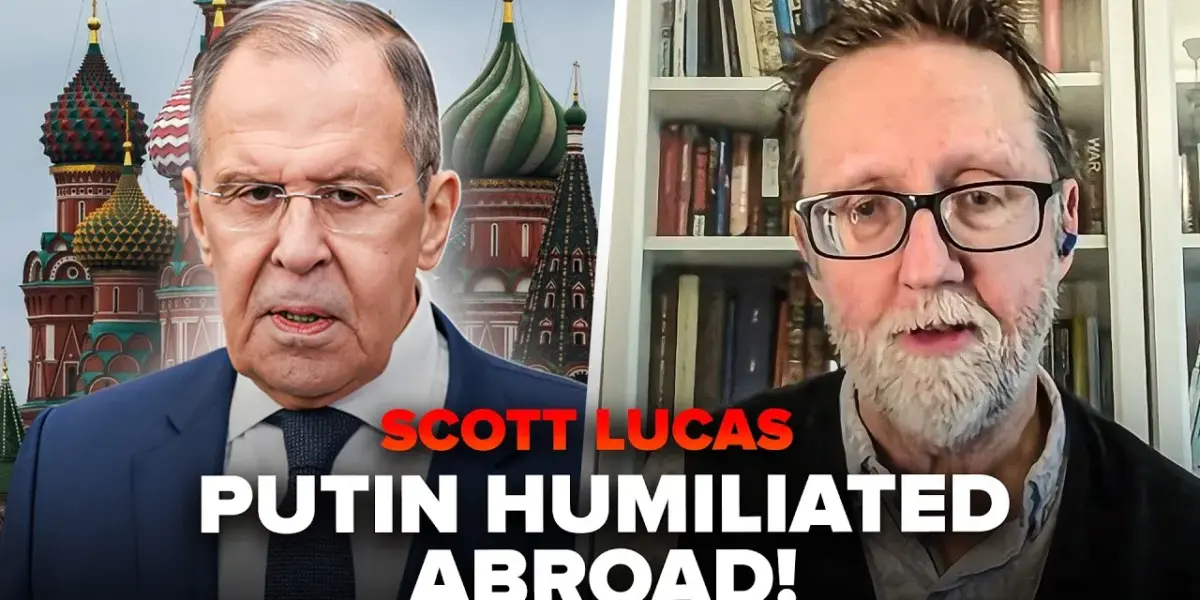
Hungary’s Orbán Loses Kremlin Ally Amid EU Sanctions Probe
Russia’s Foreign Minister Sergey Lavrov stated that Moscow looks forward to working with Hungary if Budapest follows its national interests. However, recent developments suggest a shift in Hungary’s political alignment within the European Union, potentially weakening Russia’s influence.
The Kremlin has adopted a more accommodating tone, expressing readiness for discussions. This comes as a conservative Hungarian opposition party, Tiżsa, led by Peter Magyar, has emerged, challenging Prime Minister Viktor Orbán’s long-standing relationship with Moscow. Magyar’s party, a conservative alternative that arose from opposition to Orbán’s tactics, has accused Orbán’s government of colluding with Russia.
Specifically, Magyar alleged that Orbán’s foreign minister was attempting to shred documents related to EU sanctions. This accusation points to potential cover-ups of dealings between Hungary and Russia, raising questions about legal pursuits and existing corruption links. Regardless of the legal outcomes, Magyar’s stance indicates a departure from a close alliance with the Kremlin, suggesting Russia has lost a key partner within the EU, at least in the short term.
Russia’s EU Influence Faces Setbacks
While Hungary represents a significant loss for Russia’s strategy within the EU, Moscow continues to seek influence through other avenues. Countries like Slovakia, under Prime Minister Robert Fico, and figures such as Czech President Petr Pavel have maintained closer ties to the Kremlin. The Slovenian parliament recently saw a speaker call for a referendum on leaving NATO, highlighting potential divisions within European security alliances.
Russia has also been accused of illegally funding political groups, such as Germany’s AfD party, in the past. The Kremlin utilizes energy supplies, like the Russian pipeline to Hungary and Slovakia, as leverage. Disinformation campaigns and propaganda remain key tools for Russia to shape political landscapes and sow discord among EU members.
The emergence of politicians unfriendly to Ukraine in various European nations shows that Russia is not entirely pushed out of the EU. However, the situation in Hungary is a clear setback for Russia’s efforts to prevent the EU from supporting Ukraine’s security and maintaining broader European stability.
Ukraine Peace Talk Optimism Questioned
In Ukraine, General Kyrylo Budanov, head of Ukraine’s military intelligence and a close aide to President Volodymyr Zelensky, has expressed optimism about progress toward a peace deal with the Kremlin. He told Bloomberg that all parties understand the war needs to end and believes a settlement is not far off.
However, this message is viewed by some analysts as a strategic communication effort, potentially aimed at strengthening Western support. The Kremlin’s current demands, including control over all of Donetsk, and its reluctance to provide full security guarantees for Ukraine, suggest a significant gap remains. Russia’s desire to keep Ukraine weak militarily and economically further complicates any potential settlement.
Budanov’s statements may serve to signal to the United States that Ukraine is committed to seeking a settlement. The implied strategy is that strength, rather than concessions, is the path to peace. This involves reinforcing front lines, securing a ceasefire based on current positions, and obtaining meaningful security guarantees, possibly with U.S. involvement.
U.S. Policy and Iranian Negotiations
The discussion also touched upon U.S. policy regarding Iran and the Strait of Hormuz. Former President Donald Trump has suggested a naval blockade of Iranian ports, a move intended to pressure Tehran. However, the viability and effectiveness of such a blockade are questionable.
As of recent reports, ships continue to transit the Strait of Hormuz, some carrying sanctioned Iranian cargo. Implementing a full blockade would require a significant naval presence, including multiple destroyers and aircraft carrier groups, a substantial commitment of U.S. naval assets. Clearing potential naval mines in the strait presents another complex challenge.
The Trump administration’s approach to Iran highlights a broader strategic dilemma. Iran retains leverage through its control of the Strait of Hormuz, a critical global energy chokepoint. This allows Tehran to use the threat of disruption as a bargaining chip in negotiations over its nuclear program and ballistic missile development.
Trump’s Strategic Bind
The conversation concluded by examining the strategic position of Donald Trump. His administration faces domestic challenges, including immigration policy failures and ongoing scrutiny related to the Epstein files. The economy, now further strained by the conflict with Iran, adds another layer of difficulty.
The decision to engage in conflict with Iran is framed as a “war of choice,” particularly given that negotiations were ongoing prior to the escalation. The administration had opportunities to secure terms regarding Iran’s nuclear program and regional de-escalation. The current situation has led to a broader instability across the Middle East, affecting Gulf States, Israel, and potentially Iraq, Yemen, and Syria.
Trump’s current predicament involves a difficult choice between continuing a potentially inconclusive war or appearing weak. Neither outcome is favorable as the U.S. navigates complex international relations and domestic political pressures.
Source: 😱Lavrov DROPS a BOMBSHELL — Putin just LOST his key ASSET in Europe @WorldatStake24 (YouTube)

Related Articles
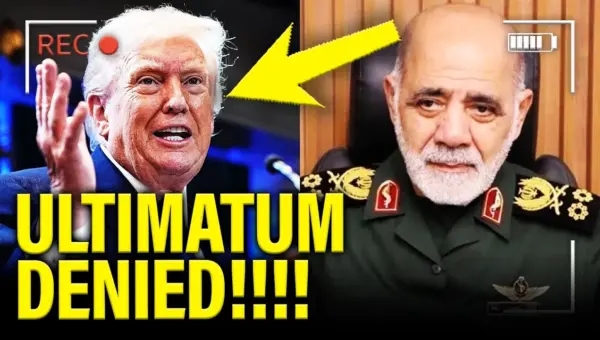
Trump’s Iran Standoff: Diplomacy or Dangerous Game?
Iran has publicly defied President Trump's demands, refusing to attend negotiations unless the U.S. lifts its Persian Gulf blockade and stops issuing threats. Despite Iran's stance, the U.S. has sent an advance team, highlighting a tense diplomatic standoff. The situation is further complicated by conflicting public statements and social media rhetoric from both sides, raising questions about the path forward.

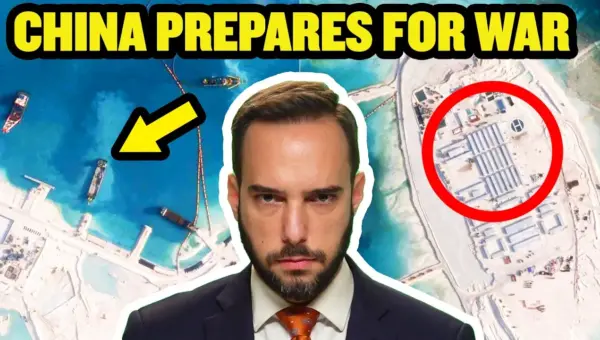
China Escalates South China Sea Claims
China is aggressively expanding its military presence and control in the South China Sea, building new bases and using tactics like dumping cyanide to assert its claims. This escalation occurs while the US is focused elsewhere, raising concerns about regional stability and future confrontation.
Navy Deploys Sea Drones to Clear Hormuz Mines
The U.S. Navy is deploying advanced sea drones to clear potential mine threats in the Strait of Hormuz, a vital shipping lane. Retired Navy SEAL Mike Sarraille detailed the types of Iranian mines and the technology used to neutralize them. The situation also involves U.S. Ambassador Mike Walz defending President Trump's stance on targeting Iran's civilian infrastructure if necessary.