Trump Threatens Iran, Sends Kushner to Pakistan for Peace Talks
President Trump has issued a stark warning to Iran, threatening to destroy its infrastructure if a deal is not accepted, while sending negotiators Steve Wyckoff and Jared Kushner to Pakistan for peace talks. The absence of Vice President J.D. Vance from the delegation has raised questions about the potential for a successful agreement. Reports also suggest China has been providing satellite imagery to Iran, complicating the diplomatic landscape.

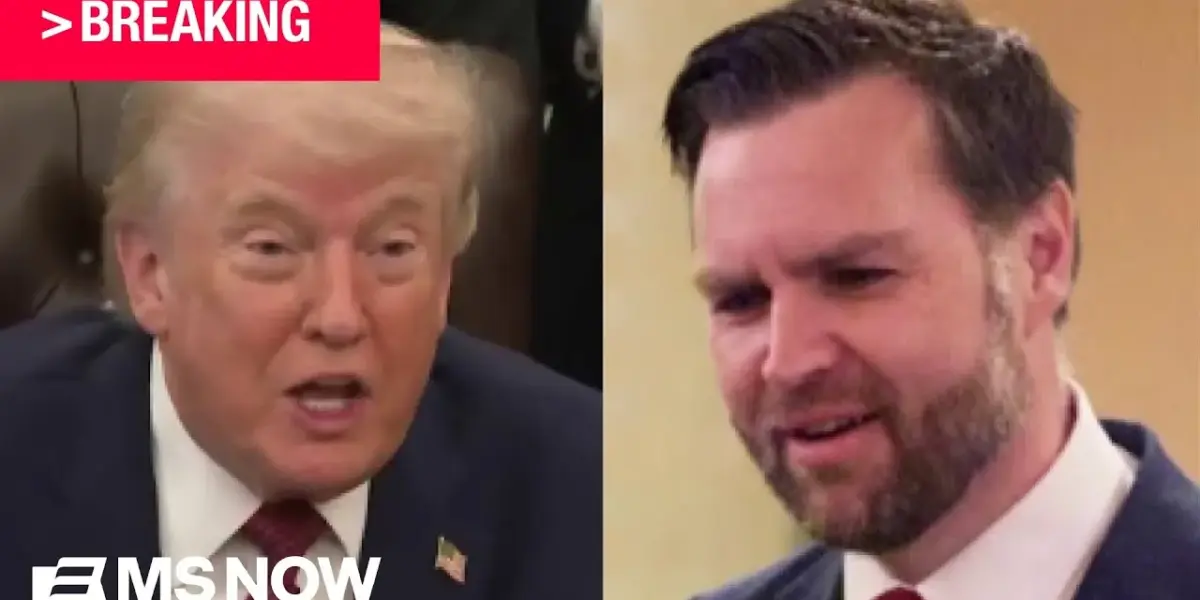
Trump Issues Stark Warning to Iran Amid Peace Talks
President Trump has issued a strong warning to Iran, threatening to destroy its power plants and bridges if the nation does not accept a proposed deal. The President made these remarks on his social media platform, Truth Social, accusing Iran of violating a ceasefire agreement by firing on vessels in the Strait of Hormuz. He stated, “If they don’t, the United States is going to knock out every single power plant and every single bridge in Iran.”
US Negotiators Head to Pakistan for Crucial Discussions
Despite the escalating rhetoric, U.S. negotiators are scheduled to travel to Pakistan for talks with Iran in Islamabad. Initially, Vice President J.D.
Vance was expected to lead the delegation. However, President Trump announced that Steve Wyckoff and Jared Kushner will now represent the U.S. The reason cited for Vance’s absence is security concerns, with the President suggesting there might not be enough time for the Secret Service to ensure his safe travel.
Questions Raised Over Vance’s Absence from Talks
The decision to exclude Vice President Vance from the talks has sparked debate. Some analysts believe his absence could reduce the chances of reaching an agreement.
Iran had reportedly favored Vance’s inclusion, viewing him as someone who has opposed past conflicts. David Road, a senior national security reporter, expressed skepticism about the security explanation, noting that Islamabad has been locked down for similar negotiations in the past.
“The claim of inadequate security doesn’t make any sense. I spent years reporting in Islamabad and… They locked down the entire city for these negotiations.”
Iran’s Stance on Nuclear Ambitions and US Demands
During discussions, President Trump suggested that Iran would agree to abandon its nuclear ambitions. However, experts point out that Iran has repeatedly stated it does not intend to develop nuclear weapons.
The U.S. may be seeking assurances regarding Iran’s enriched uranium stockpile, which is not currently at weapons-grade levels but could be if centrifuges are rebuilt. This demand is seen by some as dictating terms to a sovereign nation.
An alternative approach discussed involves Iran potentially obtaining enriched uranium from other countries for peaceful energy generation, similar to the United Arab Emirates. This would allow Iran to have a small nuclear program for electricity without raising concerns about weapons development.
China’s Role in the Iran Conflict
The President also commented on China’s role, describing their behavior as supportive and non-interfering. This comes despite reports suggesting Chinese assistance to Iran.
A Financial Times report, confirmed by U.S. officials, indicated that China has been providing satellite imagery to Iran, potentially aiding in targeting U.S. forces. Russia has reportedly been doing the same.
There are also unconfirmed reports about China preparing to send advanced weapon systems to Iran. However, the President’s positive remarks about China might stem from their decision not to militarily intervene when the U.S. began blocking Iranian oil tankers heading to China. This prevented a broader, more dangerous conflict.
Diplomatic Trust and Negotiation Dynamics
The effectiveness of the U.S. negotiating team is under scrutiny. Previous rounds of talks led by Steve Wyckoff, with Jared Kushner present in the last round, ended with Israeli-U.S. airstrikes.
This history has led to a lack of trust between Iran and these negotiators. Ambassador Joe Donnelly noted that while President Trump has a strong comfort level with Kushner, the Iranians do not share this trust.
The dynamic in the negotiation room is further complicated by President Trump’s public threats. While some might see this as a negotiating tactic, others believe it hinders progress. The President’s tweets about power plants and bridges are seen as a pattern of negotiation that may not be advancing the core discussions.
Broader Implications and Future Outlook
The upcoming talks in Pakistan represent a critical juncture in the ongoing tensions between the U.S. and Iran. The composition of the U.S. delegation and the President’s public statements will be closely watched. The potential for a peace deal hinges on navigating complex issues, including Iran’s nuclear program and regional security concerns.
The next round of talks is scheduled to take place in Islamabad, Pakistan, with Steve Wyckoff and Jared Kushner leading the U.S. delegation. The outcome of these discussions could significantly influence the future relationship between the two nations.
Source: BREAKING: Jackie Alemany talks to Trump about new peace talks with Iran (YouTube)

Related Articles
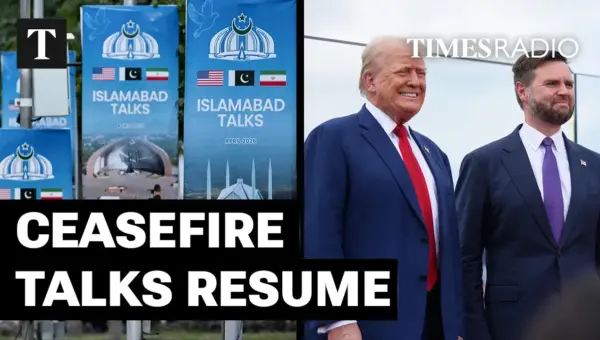
US, Iran Eye Peace Talks Amid Standoff Over Strait of Hormuz
The United States and Iran are preparing for renewed peace talks in Pakistan, with both nations believing they have the upper hand following recent military and economic developments. A key focus will be extending the current ceasefire, which expires in two days, and potentially addressing the control of the Strait of Hormuz.

Trump Threatens Iran: ‘Blow Up The Whole Country’ If No Deal
President Trump has threatened to "blow up all of Iran" if a deal isn't reached following recent attacks in the Strait of Hormuz. Iran retains significant missile and drone capabilities, while both sides appear to be preparing for renewed conflict. The situation highlights the volatile nature of U.S.-Iran relations and the potential for global economic disruption.

Iran Lacks Power, Seeks New Deal Amid Strait of Hormuz Tensions
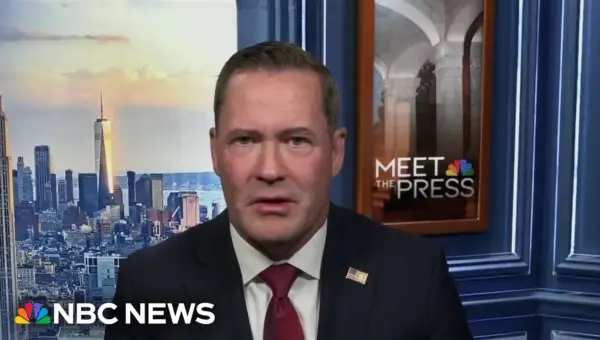
U.S. Ambassador Mike Waltz stated Iran is isolated and seeking a new deal due to economic pressure and international condemnation. He emphasized the Strait of Hormuz is an international waterway, not subject to Iranian closure, and the U.S. Navy will ensure its safety. Waltz also defended potential military actions against Iranian infrastructure, calling it a response to Iran's own weaponization of civilian areas.