Storms Unleash Fury: Plains and Midwest Brace for Flooding
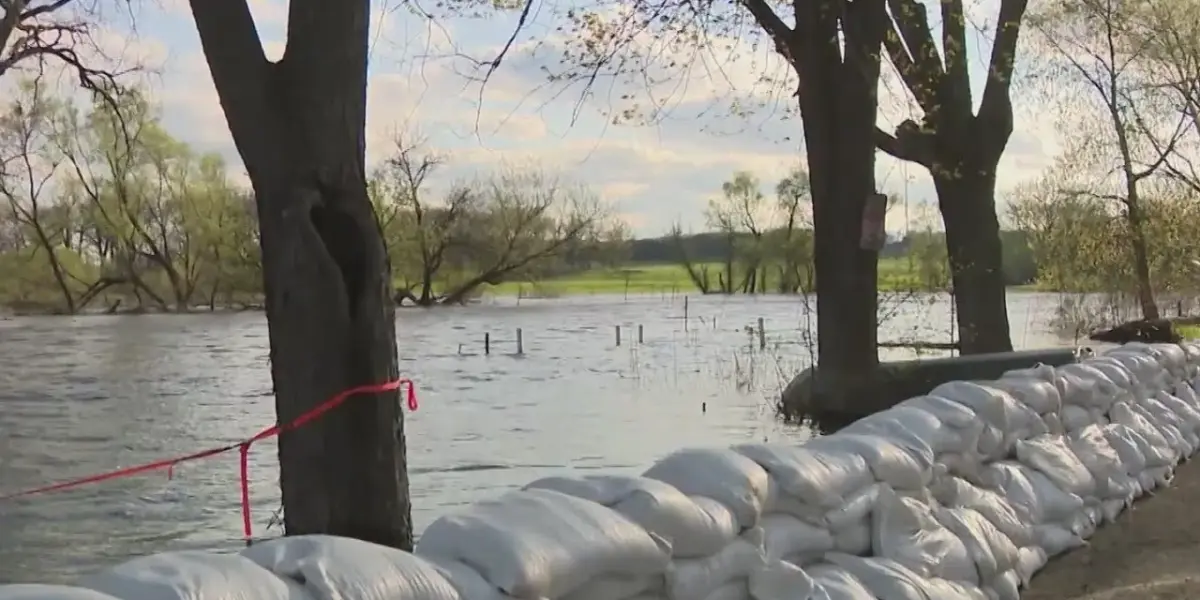
Severe storms have battered the Plains and Midwest, causing tornado damage and triggering widespread flooding concerns. Communities like Crystal Lake, Illinois, are mobilizing thousands of volunteers to fill sandbags and build defenses against rising rivers. This highlights the growing impact of extreme weather and the need for improved flood control.

Storms Unleash Fury: Plains and Midwest Brace for Flooding
The central United States is currently facing a significant weather crisis. Tornadoes and severe storms have caused widespread damage, stretching from the Plains to the Midwest. Now, the focus is shifting to the threat of widespread flooding as rivers rise and communities scramble to protect their homes.
In Crystal Lake, Illinois, a suburb northwest of Chicago, the situation is dire. Two rivers are dangerously close to overflowing their banks. Residents and local officials are working around the clock to build barriers against the rising water.
Sandbags: A Community’s First Line of Defense
In Nunda Township, volunteers and town employees are engaged in a massive sandbagging operation. Their goal is to fill and distribute at least 20,000 sandbags. These sandbags are then used to create temporary walls, helping to keep floodwaters away from homes.
This effort has been ongoing for five days, highlighting the persistent nature of the threat. It’s not just one community; many towns along the Fox River are mobilizing. People are using heavy machinery and their own hands to build defenses.
Jason Bell, a resident of a township outside Crystal Lake, described his efforts. He spent most of Saturday building a large sandbag wall to protect 20 houses. He expressed hope that their work would prevent any homes from flooding, recalling lessons learned from past events.
“We’ve learned the hard way,” Bell said, explaining the technique of stacking sandbags like a pyramid. “Otherwise, the water pressure just isn’t strong enough to hold the wall.”
Rising Waters Threaten More Communities
The heavy rainfall impacting the region is not limited to Crystal Lake. Further south, in Algonquin, the National Weather Service issued warnings. The Fox River there had already reached 11 feet, prompting the village to open five sandbagging locations.
One such location, Cordish Park, had to be closed due to the high water levels. The situation is alarming, with forecasts suggesting only a small rise in river levels, yet the current water is already several feet above normal. This creates a surreal experience for residents who enjoy the river for recreation.
“It’s absolutely insane,” one resident commented. “We love to fish, and it’s crazy to think there’s fish in our backyard.” The rapid rise of the water is both a source of concern and a clear reminder of nature’s power.
Community Spirit in the Face of Adversity
Despite the challenging circumstances, a strong sense of community prevails. Residents are united by the shared goal of protecting their neighbors. The biggest concern for many is not letting others down and ensuring no homes are flooded.
Officials in the area plan to continue the sandbagging efforts until at least 3 PM. For arriving volunteers, the process involves being assigned to a sandbagging station or dispatched to help residents directly. This often includes assisting a large number of senior citizens who may need extra help building these protective barriers.
The immediate focus remains on reinforcing defenses against the rising waters. These efforts are crucial in mitigating the damage caused by the severe weather that has gripped the region. The coming days will be critical in determining the full extent of the flooding.
Why This Matters
This event highlights the increasing vulnerability of communities to extreme weather. The Plains and Midwest, often seen as heartland regions, are experiencing more frequent and intense storms. This requires a reevaluation of infrastructure and emergency preparedness.
The reliance on sandbags, a time-tested but labor-intensive method, shows the immediate need for advanced flood control measures. It also highlights the importance of community resilience and volunteerism in disaster response. These efforts, while vital, are a temporary solution to a growing problem.
Implications and Future Outlook
The long-term implications of such severe weather events are significant. They include potential economic losses due to property damage and disruption of daily life. Climate change is often cited as a factor contributing to the increased intensity and frequency of these storms.
As weather patterns continue to shift, cities and towns will need to invest more in flood defenses, early warning systems, and updated building codes. The human element, seen in the widespread volunteer efforts, is a critical component, but it must be supported by robust public planning and investment.
The current situation in Illinois is a microcosm of a larger trend. Many areas across the country are facing similar challenges. The need for proactive measures to adapt to a changing climate is becoming increasingly urgent.
The efforts in Crystal Lake and Algonquin are ongoing. Residents and officials will continue to monitor river levels and reinforce their defenses. The outcome will depend on continued rainfall and the effectiveness of the barriers they have built.
The next few days will be crucial in assessing the full impact of these storms and the success of the community’s response. Further updates on river levels and flood warnings will be critical for residents in affected areas.
Source: Severe storms raise flooding concerns from Plains to Midwest | NewsNation Live (YouTube)

Related Articles
Dozens of Tornadoes Rip Through Midwest, Leaving Trail of Destruction
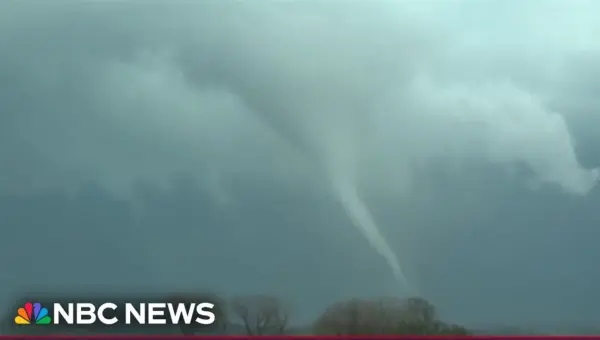
Millions faced severe weather alerts as dozens of tornadoes ripped through seven Midwestern states this week, causing widespread destruction and leaving residents shaken. While fortunately no fatalities have been reported, communities are now assessing the damage and beginning the long process of recovery and rebuilding.


Midwest Reels from Tornadoes, Iran Reopens Strait of Hormuz
Millions faced severe weather across the Midwest, with tornadoes and historic floods causing widespread damage and forcing evacuations. Meanwhile, Iran announced the reopening of the Strait of Hormuz, leading to a surge in stock markets and a drop in oil prices. The broadcast also covered the arrest of singer David in connection with a teen's murder and an interview with Olympic legend Michael Phelps.

Tornadoes Rip Through Minnesota, Flooding Swallows Wisconsin Towns
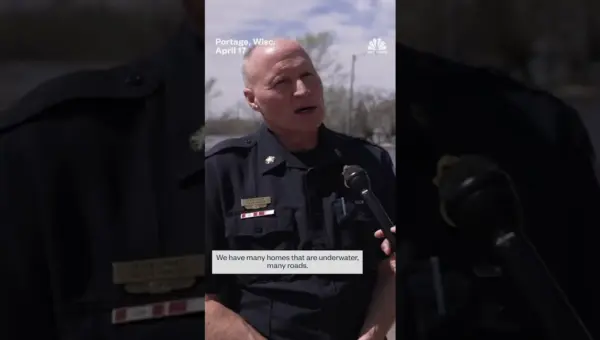
Tornadoes have caused widespread destruction in Minnesota and Illinois, tearing through homes and uprooting trees. Simultaneously, Wisconsin is battling historic flooding as the Wisconsin River overflows, submerging towns like Portage and forcing mandatory evacuations. The severe weather has put millions at risk nationwide.